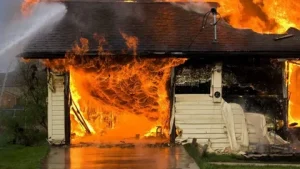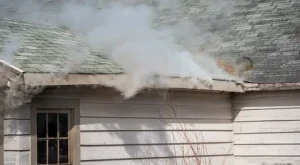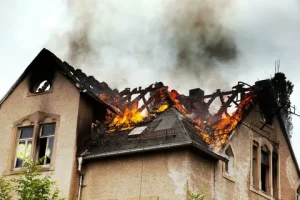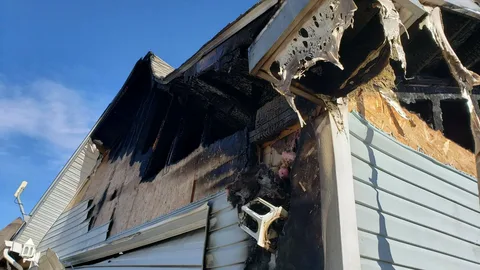
Smoke can travel much farther than the flames that caused it. It moves through doorways, wall cavities, vents, fabrics, ceilings, and HVAC pathways, leaving residue and persistent odors in rooms that may appear untouched by fire. Property owners who need reliable Smoke Damage Restoration Services in Manatee, FL, should address both visible soot and less obvious contamination before repainting, replacing finishes, or returning rooms to normal use.
Major Restorations provides fire, water, smoke, and storm restoration across several Florida service areas, including Manatee and Clearwater. Its smoke restoration work includes residue cleaning, deodorization, HEPA filtration, air treatment, and surface restoration.
Effective smoke residue cleanup begins by understanding where contamination traveled and which materials absorbed it. Likewise, professional smoke odor removal should address the source of the odor instead of simply covering it with fragrance. The following sections explain how soot, odors, airborne particles, surfaces, and hidden spaces are evaluated during a complete smoke recovery project.
Smoke Damage Often Extends Beyond the Burn Area
The room where a fire starts usually receives the most obvious damage, but smoke behaves differently from flames. Hot smoke rises, moves through open spaces, enters cracks, and settles on cooler surfaces throughout the property. Consequently, bedrooms, hallways, cabinets, and HVAC components can develop contamination even when they were not directly exposed to fire.
Different Surfaces Hold Smoke in Different Ways
Professional soot removal and cleaning should account for the material being treated. Painted drywall, unfinished wood, glass, metal, upholstery, and flooring do not respond to smoke residue in the same way. Using an unsuitable cleaner or aggressive scrubbing method can spread oily soot or damage the surface underneath.
Reliable smoke residue cleanup also needs to distinguish loose particles from residues that have bonded to surfaces. Technicians may use HEPA-filtered equipment, specialized cleaning products, dry-cleaning methods, or other techniques based on the material and contamination level.
A strong inspection should also include concealed or less visible locations. Cabinet interiors, trim edges, vents, closets, and adjacent rooms may hold residue that continues producing odor after the obvious areas have been cleaned.
Planning Expert Smoke Damage Restoration Services After a Fire
Smoke restoration should begin with an assessment rather than immediate repainting or deodorizing. Covering contaminated surfaces too soon may trap residue underneath new finishes while leaving the original odor source in place.
Build the Cleaning Plan Around Contamination
Choosing professional Smoke Damage Restoration Services should include identifying soot deposits, odor sources, affected materials, and possible contamination inside ventilation pathways. Major Restorations describes HEPA filtration, deodorization, deep cleaning, soot removal, and air treatment as parts of its smoke restoration process.
Five practical priorities should guide the work:
- Identify rooms and materials affected by smoke movement.
- Separate salvageable materials from heavily damaged items.
- Remove loose soot before wet-cleaning suitable surfaces.
- Inspect vents and HVAC pathways for transported particles.
- Match deodorization methods to the actual odor source.
An expert air purification service can help reduce suspended particles during cleanup, but air treatment should support surface cleaning rather than replace it. Likewise, professional smoke odor removal becomes more effective after contaminated materials and residues have been addressed.
For Manatee properties, professional smoke odor removal in Manatee, FL can form part of a broader recovery plan involving soot cleanup, deodorization, air treatment, and restoration of affected finishes.
Soot Should Be Removed Before Cosmetic Repairs Begin
Soot can behave differently depending on what burned during the fire. Some residues feel dry and powdery, while others are greasy, acidic, or difficult to remove. That difference matters because cleaning methods that work on one type of residue can make another type harder to manage.
Cleaning Should Protect the Surface Underneath
Expert soot removal and cleaning should begin with the least damaging effective method. Aggressive scrubbing can drive residue deeper into porous surfaces or create permanent smearing on walls and finishes.
Five practical cleaning considerations include:
- Test cleaning methods on sensitive surfaces first.
- Remove loose particles before applying liquid cleaners.
- Use surface-specific products where necessary.
- Check ceilings, trim, fixtures, and vertical surfaces.
- Reassess areas after cleaning for remaining residue.
Professional smoke residue cleanup should continue until affected surfaces are ready for restoration, refinishing, or replacement. Painting over remaining soot can interfere with appearance and may allow discoloration or odor to return later.
Similarly, dependable air purification services can support cleaning by reducing airborne particles that become disturbed during restoration. However, the physical residue still needs to be removed from surfaces, furnishings, and other affected materials.
How Smoke Damage Restoration Services Address Persistent Odors
Odor can remain after visible soot disappears because smoke particles can penetrate porous materials. Drywall, insulation, upholstered furniture, unfinished wood, carpets, and HVAC systems may continue releasing odor unless the contamination source is properly treated.
Odor Neutralization Should Follow the Smoke Path
Professional smoke odor removal should begin by identifying which materials continue holding contamination. Major Restorations states that its process can include thermal fogging, hydroxyl treatment, HEPA filtration, targeted cleaning, and other deodorization methods.
A detailed odor-control plan may consider:
- Porous materials that absorbed heavy smoke.
- HVAC filters, ducts, and return-air areas.
- Cabinets, closets, and enclosed spaces.
- Fabrics and furnishings exposed to smoke.
- Structural cavities where odor continues to emerge.
Major Restorations describes its objective as removing odor sources rather than simply masking the smell. This distinction matters because fragrance products may temporarily change the indoor smell without removing deposited smoke particles.
An expert air purification service can also support indoor recovery when airborne contamination remains after a fire. Once source materials, surfaces, and air pathways have been addressed together, the property has a stronger foundation for final repairs and normal occupancy.
Air Quality and HVAC Pathways Need Separate Attention
Central air systems can move smoke particles beyond the original fire area. When the HVAC system operates during or after an incident, return vents and duct pathways may carry contamination into rooms that show little visible fire damage. Therefore, technicians should consider the building’s air movement while evaluating smoke spread.
Treat Airborne and Deposited Contamination Together
Reliable air purification services can support post-fire cleanup by capturing suspended particles while restoration work disturbs settled residue. However, filters and air scrubbers should not be viewed as substitutes for cleaning surfaces and contaminated materials.
Five areas worth reviewing include:
- Supply and return-air vents
- HVAC filters and accessible components
- Rooms connected to affected air pathways
- Soft furnishings that hold smoke particles
- Enclosed areas with persistent odor
Professional soot removal and cleaning around vents and nearby surfaces can reduce residue that may otherwise continue entering indoor air. Similarly, contaminated filters should not remain in service after significant smoke exposure.
When smoke has traveled widely, restoration professionals may also recommend further inspection of duct or HVAC components. The exact response should follow the severity of contamination rather than assuming every fire requires the same treatment.
Trusted Smoke Damage Restoration Services in Manatee and Clearwater
Florida property owners may face smoke contamination after kitchen fires, electrical incidents, appliance fires, or larger structural events. The recovery plan should reflect both the scale of the fire and the way smoke moved through the building.
Local Recovery Should Follow Actual Property Conditions
Before restoration begins, property owners should review five practical questions:
- Which rooms contain visible soot?
- Where does smoke odor remain strongest?
- Did the HVAC system operate during the incident?
- Which porous materials absorbed contamination?
- What surfaces require cleaning before refinishing?
Nearby homeowners and businesses can use expert soot removal and cleaning in Clearwater, FL as part of wider fire and smoke recovery when residue affects walls, ceilings, furnishings, or ventilation areas. The Clearwater area page includes soot cleaning, smoke residue removal, odor remediation, and fire recovery services.
Major Restorations serves Manatee, Clearwater, and several other Florida communities with smoke and property damage restoration. The most useful recovery plan is one based on inspection findings, surface condition, contamination level, and the actual path smoke traveled through the property.
Conclusion
Smoke Damage Restoration Services should address more than black marks left near the fire. Smoke can settle on surfaces, enter fabrics, move through HVAC pathways, and penetrate porous building materials. Because of that movement, a property may continue showing odor or residue long after the flames are gone.
A thorough recovery process combines smoke residue cleanup with careful surface assessment and appropriate cleaning methods. Meanwhile, professional soot removal and cleaning helps prepare walls, ceilings, fixtures, and other materials for restoration without automatically replacing everything exposed to smoke.
Odor control should follow cleaning rather than cover unresolved contamination. Effective deodorization targets the areas and materials that continue holding smoke particles. Air treatment can then support the process by reducing airborne contamination while restoration continues.
Major Restorations provides smoke restoration throughout its Florida service area. A careful inspection, material-specific cleaning, source-focused odor treatment, and attention to hidden smoke pathways can help return an affected property to a cleaner, more comfortable condition while avoiding unnecessary cosmetic repairs over unresolved contamination.
FAQ’s
Can smoke damage affect rooms where there was no fire?
Yes. Smoke can travel through doorways, vents, wall openings, and air movement, allowing soot and odors to reach rooms away from the original fire.
Why does smoke odor return after cleaning?
Odor may return when contaminated porous materials, hidden soot deposits, HVAC components, or enclosed spaces have not been fully addressed.
Can soot simply be painted over?
Painting before proper cleaning may trap contamination and create future staining or odor problems. Surfaces should be evaluated and cleaned first.
Does air purification remove all smoke damage?
No. Air treatment can reduce airborne particles, but deposited soot and contaminated materials still require appropriate cleaning or restoration.
Can smoke-damaged materials always be saved?
Not always. Salvageability depends on the material, contamination level, heat exposure, staining, odor penetration, and physical condition.