Learn how smoke damage removal addresses soot, odors, and affected surfaces while helping restore indoor spaces after a fire in Pinellas, FL homes.
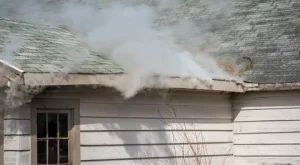
Smoke can affect a property long after a fire has been extinguished. Soot may settle on walls, ceilings, flooring, cabinets, and personal belongings, while smoke odors can remain trapped in porous materials. For homeowners considering smoke damage removal in Pinellas, FL, understanding how smoke affects different surfaces can help them make informed restoration decisions.
Smoke damage varies depending on the materials that burned, the duration of the fire, ventilation, and how far smoke traveled through the property. Some surfaces may need cleaning, while others may require repair or replacement.
Major Restoration approaches smoke damage as a property-wide concern rather than treating visible soot as the only problem.
How Smoke Affects a Property After a Fire
Smoke contains particles and gases that can travel well beyond the room where a fire started. Air movement through HVAC systems, doorways, wall cavities, and other openings can spread residue throughout a building.
The appearance of smoke damage also varies. Light-colored residue may appear as a thin film, while heavier deposits can create dark staining.
Commonly affected areas include:
- Walls and ceilings
- Wood trim and doors
- Cabinets and countertops
- Flooring
- HVAC components
- Upholstery and textiles
- Glass and metal surfaces
- Personal belongings
- Attics and concealed areas
The type of smoke also matters. A fire involving plastics, synthetic materials, wood, or other household products can leave different residues and odors.
This makes the restoration process dependent on the type and extent of contamination rather than simply the visible amount of soot.
Assessing Surfaces Before Cleaning
Cleaning methods should match the material being treated. Using the wrong product or technique can spread soot, damage finishes, or make staining more difficult to correct.
Porous materials can absorb smoke particles and odors more deeply than nonporous surfaces. Painted drywall, unfinished wood, carpeting, insulation, and upholstery may require different treatment from glass, tile, or finished metal.
An initial assessment should consider:
- Material type
- Surface condition
- Amount of soot
- Smoke exposure level
- Existing moisture
- Odor intensity
- Previous cleaning attempts
- Whether the material can be restored
This assessment helps determine whether cleaning, deodorization, repair, or replacement provides the most appropriate solution.
Smoke Damage Removal Requires Attention to Hidden Areas
Smoke damage removal in Pinellas, FL should not stop at surfaces that show obvious discoloration.
Smoke can enter areas that are difficult to see, including behind appliances, inside cabinets, above ceilings, around vents, and within HVAC components.
If these areas remain untreated, smoke residue and odors may continue affecting the property even after visible surfaces appear clean.
HVAC systems deserve particular attention because air circulation can distribute particles throughout a home. Depending on the situation, affected components may require specialized inspection and cleaning.
Managing Persistent Smoke Odors
Smoke odor can remain after soot has been removed because odor-producing particles may have penetrated porous materials.
This explains why simply washing walls or using an air freshener may not resolve a strong smoke smell.
Effective smoke odor remediation focuses on identifying where odor has settled and selecting treatment methods that address the affected materials.
Common sources can include:
- Carpeting and padding
- Upholstered furniture
- Drapes and fabrics
- Wood surfaces
- Insulation
- Wall cavities
- HVAC components
- Cabinets and other porous materials
Odor control should also follow the removal of loose smoke residue. Covering an odor without addressing the underlying contamination can provide only temporary improvement.
For properties in Clearwater, FL, homeowners may encounter similar challenges when smoke has moved beyond the immediate fire area and affected multiple rooms.
Different Smoke Residues Require Different Cleaning Methods
Not all smoke damage responds to the same cleaning process.
Wet smoke can create a sticky residue that requires careful treatment. Dry smoke may leave a fine powder-like residue that behaves differently during cleaning. Protein-based smoke from certain fires can create persistent odors even when visible staining appears limited.
| Smoke Condition | Typical Characteristics | Restoration Consideration |
| Dry Smoke | Fine, powdery residue | Requires careful removal to avoid spreading particles |
| Wet Smoke | Sticky, heavier residue | Often needs more intensive surface cleaning |
| Protein Smoke | Strong, persistent odor | Odor treatment may become a major concern |
| Synthetic Material Smoke | Complex residue and odor | Materials may require specialized evaluation |
The actual restoration approach should depend on the specific materials and conditions present at the property.
Cleaning Versus Replacing Affected Materials
Not every smoke-damaged item needs replacement.
Materials with limited surface contamination may respond well to appropriate cleaning and deodorization. In other cases, smoke may have penetrated deeply enough that restoration becomes impractical.
Replacement may be considered when materials have:
- Severe staining
- Permanent odor absorption
- Structural deterioration
- Extensive heat damage
- Deep contamination
- Failed finishes
Preserving salvageable materials can help reduce unnecessary waste, but restoration should not compromise the condition or function of the property.
Smoke and Odor Control Services for Larger Properties
Commercial and multi-unit properties can present additional challenges because smoke may travel through shared ventilation systems, corridors, ceilings, or connected spaces.
Smoke and odor control services in Clearwater, FL may therefore require a broader assessment of affected areas rather than focusing only on the room where the fire occurred.
Documentation also becomes important in larger properties. Identifying affected rooms, materials, equipment, and restoration requirements can help property owners understand the overall scope of work.
Common Mistakes After Smoke Damage
One common mistake is cleaning soot without first determining what type of residue is present. The wrong cleaning method can spread contamination or damage the underlying finish.
Another mistake involves using strong fragrances to mask smoke odors. This does not remove the source of the odor and can make it harder to determine whether the property has actually been deodorized.
Homeowners may also overlook HVAC systems and concealed areas. If smoke particles entered the ventilation system, untreated components may contribute to continued odor or residue.
Waiting too long can create another challenge. Smoke residues can interact with surfaces over time, making some staining and corrosion more difficult to address.
Best Practices for Smoke-Damaged Properties
A careful restoration process should prioritize assessment before extensive cleaning.
Homeowners should document visible damage, avoid aggressive cleaning methods on unfamiliar surfaces, and identify areas where smoke traveled beyond the original fire location.
Ventilation should also be considered carefully. Opening windows may help in some circumstances, but it does not replace professional evaluation when extensive smoke contamination exists.
Personal belongings deserve individual attention as well. Fabrics, electronics, documents, wood furniture, and other items react differently to smoke and cleaning methods.
The goal should be to determine which materials can be restored safely and which require replacement.
Conclusion
Smoke odor remediation involves much more than wiping soot from walls. Smoke can affect porous materials, ventilation systems, furnishings, hidden spaces, and indoor air conditions throughout a property. Proper assessment helps determine which surfaces require cleaning, deodorization, repair, or replacement.
For homeowners in Pinellas and Clearwater, understanding the differences between smoke residue, odor absorption, and material damage can make the restoration process more informed and effective. A thorough approach addresses both what can be seen and the smoke-related problems that may remain hidden.
FAQ
How long can smoke odor remain after a fire?
Smoke odor can remain for weeks or longer when particles penetrate porous materials such as carpeting, upholstery, wood, insulation, and fabrics. The duration depends on the extent of exposure and how thoroughly affected materials receive treatment.
Does cleaning soot automatically remove smoke odor?
No. Soot removal and odor treatment address different problems. Smoke particles can remain inside porous materials even after visible residue has been cleaned.
Can smoke-damaged furniture be restored?
Some furniture can be cleaned and deodorized, depending on the material, contamination level, heat exposure, and extent of odor absorption. Severely damaged items may require replacement.
Can HVAC systems spread smoke damage?
Yes. If smoke enters an HVAC system, air circulation can move particles and odors into other parts of the property. HVAC components should therefore be considered when smoke has traveled through multiple areas.
Should every smoke-damaged surface be replaced?
No. Many materials can potentially be cleaned or restored when the underlying structure remains sound. Replacement depends on the material, contamination level, heat exposure, staining, and ability to restore the item effectively.