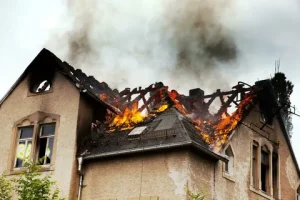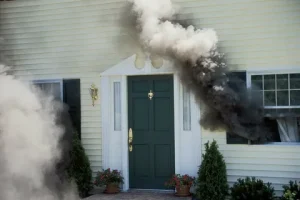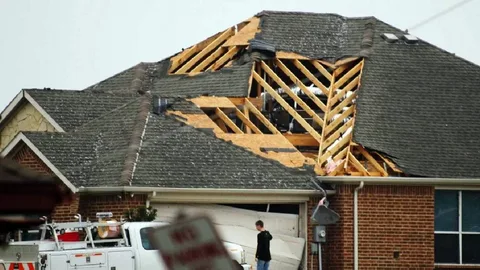
Learn how storm damage restoration in Pinellas, FL addresses water intrusion, damaged roofing, debris, moisture, structural concerns, and recovery planning.
Severe weather can damage a property in several ways at the same time. Roof openings, broken windows, wind-driven rain, fallen debris, and flooding can leave both visible and hidden problems behind. Major Restoration approaches storm damage restoration in Pinellas, FL by reviewing water intrusion, structural concerns, damaged materials, moisture spread, and areas that need immediate stabilization.
In Sarasota, FL, homeowners may also need storm cleanup services after heavy rain, strong winds, or debris damage affects roofs, exterior walls, interiors, and outdoor areas.
A clear recovery plan should begin with safety, then move through damage control, drying, cleanup, and repair in the right order.
What Storm Damage Restoration Should Address First
Professional storm damage restoration should begin with the condition of the property after the weather event has passed.
Some damage is easy to see, such as missing roofing, fallen branches, broken glass, or standing water. Other problems may remain hidden inside walls, ceilings, attics, flooring, or insulation.
The first priority is identifying anything that could create an immediate risk.
This can include unstable materials, exposed electrical components, active water entry, damaged ceilings, or openings that allow more rain into the building.
Once urgent concerns are controlled, the restoration process can focus on moisture, cleanup, and repairs.
Storm Damage Restoration Requires a Full Property Review
Storm damage restoration in Pinellas, FL should not focus only on the area with the most visible damage.
Water can enter through a roof opening and travel far from the original source. Wind-driven rain may reach wall cavities, attic insulation, or flooring without creating a large puddle.
A full review helps identify how far the storm affected the property.
This reduces the chance of repairing one visible area while leaving moisture or damaged materials elsewhere.
Storm Cleanup Services in Sarasota, FL
Storm cleanup services in Sarasota, FL may involve much more than removing branches or surface debris.
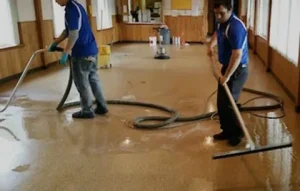
Cleanup can include wet building materials, damaged drywall, broken exterior components, insulation, flooring, and items affected by water.
The order matters.
Loose or unstable materials should be handled carefully before workers begin general cleanup. Standing water should also be addressed before repairs begin.
Once the area is safe, damaged materials can be sorted based on whether they can be dried, cleaned, repaired, or need removal.
This step helps prepare the property for the next phase of restoration.
Water Intrusion Can Continue After the Storm Ends
Rain may stop, but water can remain inside the building for much longer.
Wet insulation, wood, drywall, flooring, and cabinets can hold moisture even when the surface looks dry.
That is why drying should continue after visible water has been removed.
A ceiling stain may be only the first sign of a larger moisture problem above it.
Flooring can also trap water underneath, especially when water entered through doors, walls, or roof damage.
The goal is to dry affected materials before new finishes cover them.
Roof and Exterior Damage Need Early Attention
Exterior damage often allows additional water into the property.
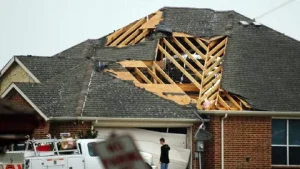
Missing shingles, damaged flashing, broken siding, cracked windows, and open roof sections can leave the building exposed to another rain event.
Temporary protection may be needed before permanent repairs begin.
Homeowners should avoid climbing onto damaged roofs themselves, especially when surfaces are wet, unstable, or affected by wind.
A ground-level visual review may reveal missing materials, debris, sagging areas, or other obvious problems.
Exterior openings should be addressed early because every additional rain event can increase interior damage.
Storm Damage Emergency Service for Urgent Problems
Storm cleanup services in Sarasota, FL may become necessary when the property cannot remain exposed without additional loss.
Fast response matters when water is actively entering, ceilings are unstable, windows are broken, or exterior openings leave the building vulnerable.
Emergency work may focus on temporary stabilization rather than full repair.
The immediate goal is to stop conditions from getting worse.
Homeowners should also stay away from standing water near electrical equipment and avoid entering areas where ceilings or structural materials appear unstable.
Safety comes before cleanup.
Moisture Can Hide Behind Finished Surfaces
Storm water does not always stay where it first enters.
It can move behind drywall, beneath baseboards, through insulation, and under flooring.
A wall can feel dry on the surface while holding moisture deeper inside.
Hidden moisture matters because repair work can trap it if the area is closed too soon.
Moisture checks can help determine whether drying should continue before reconstruction begins.
This is especially important in rooms below roof damage, around exterior walls, and near doors or windows exposed to wind-driven rain.
Common Storm Restoration Mistakes
One common mistake is beginning repairs before the property is fully dry.
Replacing drywall, flooring, or paint too soon can cover moisture instead of solving the problem.
Another mistake is focusing only on obvious exterior damage.
A missing roof section may be visible, but water could have traveled into the attic and down into interior rooms.
Homeowners should also avoid throwing away damaged items before documenting them when records may be needed later.
Temporary repairs should not be mistaken for permanent restoration.
The property still needs a complete evaluation after the immediate emergency is controlled.
Practical Steps After Storm Damage
After conditions are safe, homeowners should document visible damage with photos and notes.
Record areas where water entered, materials that became wet, and any exterior openings.
Move unaffected belongings away from damp areas when it can be done safely.
Avoid turning on electrical devices that were exposed to water.
If rain is still entering, temporary protection may help reduce additional damage until repairs can be made.
Homeowners should also watch for changes over the next several hours because ceiling stains, damp walls, and flooring problems may appear after the storm has passed.
Best Practices for a More Organized Recovery
A storm recovery process works better when cleanup and repair happen in a logical sequence.
First, secure unsafe or exposed areas.
Next, remove standing water and address materials that cannot remain in place.
Drying should continue until affected areas are ready for repair.
Only then should new drywall, flooring, paint, insulation, or other finishes be installed.
It also helps to review why the damage occurred.
Roof weaknesses, drainage problems, exterior openings, or damaged flashing may need attention so the repaired property is less vulnerable during the next storm.
Repair Decisions Should Follow the Condition of Materials
Not every wet or damaged material needs replacement.
Some hard surfaces can be cleaned and dried if they remain structurally sound.
Other materials may lose strength, shape, or usefulness after heavy water exposure.
Drywall can soften. Flooring may swell. Insulation can hold moisture. Wood components may need additional drying and evaluation.
The decision should depend on the material, the amount of water exposure, and whether the item can be restored safely and effectively.
Planning Reconstruction After Cleanup
Reconstruction should begin only after the property is stabilized and moisture concerns have been addressed.
Depending on the damage, repairs may involve roofing, drywall, insulation, flooring, paint, trim, windows, or exterior finishes.
The repair sequence should match how the damage occurred.
For example, fixing interior ceilings before correcting an active roof leak would create more work if another rain event occurs.
A coordinated plan keeps temporary protection, drying, cleanup, and permanent repairs connected.
Conclusion
Planning storm damage emergency service requires more than cleaning debris and repairing visible damage. Roof openings, water intrusion, hidden moisture, damaged materials, safety concerns, and repair sequencing all affect how the property should recover.
For homeowners in Pinellas and Sarasota, Major Restoration can approach storm recovery by first identifying immediate concerns and then addressing cleanup, drying, and repairs in the proper order. Careful planning can help reduce additional damage and make the restoration process more organized from start to finish.
FAQ
What should I do first after storm damage?
Make sure the property is safe to enter, stay away from unstable areas, document visible damage, and address active water entry when it can be done safely.
Can storm water damage areas that look dry?
Yes. Water can move behind walls, under flooring, through insulation, and inside ceilings before visible signs appear.
When is storm cleanup considered an emergency?
Emergency help may be needed when water is actively entering, windows or roofing are open, ceilings appear unstable, or electrical areas have been exposed to water.
Should wet drywall always be replaced?
Not always. The decision depends on how much water the drywall absorbed, how long it stayed wet, and whether it remains structurally sound.
When should repairs begin after storm damage?
Permanent repairs should begin after unsafe conditions are controlled, active water entry is stopped, damaged materials are addressed, and affected areas are sufficiently dry.