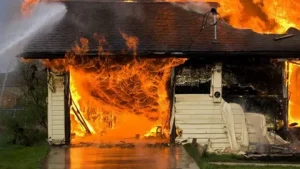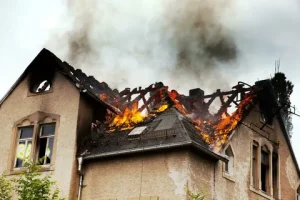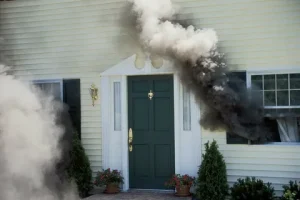
A house fire can disrupt daily life in minutes. Even after firefighters extinguish the flames, smoke, soot, and water can continue to damage the property. Homeowners in Clearwater, FL, may also face extra challenges because humidity can affect damp building materials. Therefore, understanding the recovery process helps property owners make informed decisions and avoid unnecessary repairs.
Reliable recovery starts with a careful inspection. Professionals assess visible damage, identify hidden concerns, and develop a plan based on the property’s condition. They also determine which materials need cleaning and which require replacement. Additionally, they consider electrical safety, indoor air quality, and moisture control before beginning restoration work.
Choosing reliable fire damage restoration support means understanding the steps involved, the expected timeline, and the limits of different cleaning methods. Major Restoration helps property owners understand the restoration process and the practical considerations that can affect recovery. However, every fire creates a different pattern of damage. A small kitchen fire may leave heavy soot throughout nearby rooms, while a larger fire may affect structural materials and multiple building systems.
Property owners across Clearwater and Pinellas County can benefit from knowing what to do immediately after a fire, how professionals evaluate damage, and which questions to ask before hiring a contractor. With the right information, homeowners can protect their safety, organize repairs, and make better decisions throughout the recovery process.
Understanding Fire Damage and Its Effects
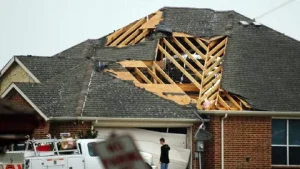
Fire damage often extends beyond the areas touched by flames. Heat can weaken materials, smoke can travel through ventilation systems, and soot can settle on walls, furniture, and personal belongings. Consequently, a room that appears relatively clean may still require professional attention.
Before anyone begins cleanup, the property owner should confirm that the fire department or relevant authorities have declared the area safe to enter. Damaged electrical systems, weakened ceilings, and unstable structures can create serious hazards.
How Smoke, Soot, and Heat Affect a Property
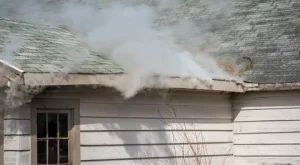
Smoke contains particles and residues that may cling to porous surfaces. These residues can leave stains, persistent odors, and contamination that ordinary household cleaning products may not remove effectively. Furthermore, different materials respond differently to heat and smoke.
For example, soot on a painted wall may require a different cleaning method than residue on upholstery or unfinished wood. Using the wrong product can spread stains or damage the surface.
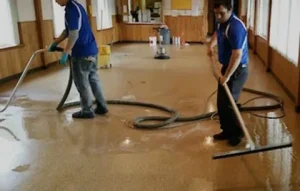
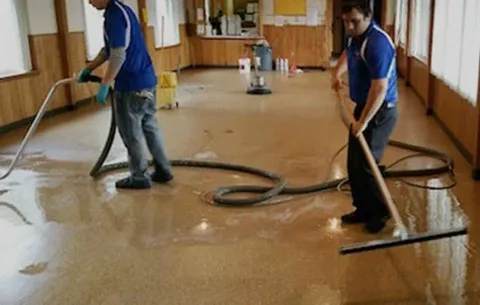
Water creates another concern. Firefighters often use substantial amounts of water to extinguish flames. Therefore, flooring, insulation, drywall, and other materials may remain damp long after the fire ends.
A thorough inspection should identify:
- Visible flame and heat damage.
- Smoke residue in adjoining rooms.
- Water-soaked building materials.
- Possible electrical and structural hazards.
- Personal belongings that need cleaning or replacement.
These findings help determine the proper restoration approach. Moreover, documenting affected areas early can support insurance discussions and help contractors develop a realistic repair plan.
What Happens During Professional Fire Damage Restoration?
The restoration process generally begins with an inspection and continues through cleanup, drying, repairs, and a final review. However, professionals may adjust the sequence depending on structural conditions, contamination, and the extent of the fire.
A reliable plan addresses immediate safety concerns before cosmetic repairs. It also distinguishes between materials that can be restored and those that require replacement.
Choosing Expert Fire Damage Restoration for Your Property
Expert fire damage restoration begins with a detailed assessment rather than an immediate attempt to clean every surface. Technicians examine the damage, identify affected materials, and determine which areas need specialized treatment. They may also recommend moisture measurements, odor treatment, or additional inspections when hidden damage appears likely.
The process commonly includes five practical steps:
- Initial assessment: Identify damaged areas and immediate safety concerns.
- Damage documentation: Photograph affected rooms and record damaged belongings.
- Debris removal: Remove unsafe or unsalvageable materials when conditions permit.
- Cleaning and drying: Address soot, smoke residue, and water damage using suitable methods.
- Repairs and verification: Replace damaged materials and check that completed work meets the agreed scope.
Meanwhile, property owners should ask for a written work plan and clarification about any additional services. The plan should explain the proposed work, estimated costs, and possible limitations.
Restoration timelines vary. A minor incident may require relatively simple cleaning, while significant structural damage can involve inspections, permits, specialized trades, and extended repairs. Therefore, contractors should explain likely delays rather than promise an unrealistic completion date.
Choosing Qualified Damage Restoration Contractors
Selecting the right contractor can affect safety, repair quality, and the overall cost of recovery. Homeowners should look beyond advertising claims and compare qualifications, written estimates, insurance procedures, and communication practices.
Additionally, the contractor should explain which services its team performs directly and which tasks require outside specialists. Electrical repairs, structural work, and other regulated activities may require appropriately licensed professionals.
What to Check Before Hiring a Restoration Team
Experienced damage restoration contractors services should explain their findings in clear language. They should also answer questions about cleaning methods, material replacement, project scheduling, and documentation.
The following checks can help property owners make a more informed decision:
- Verify credentials: Confirm applicable licenses, insurance coverage, and relevant training.
- Request a written estimate: Review labor, equipment, materials, and potential additional charges.
- Ask about experience: Discuss previous projects involving similar fire and smoke damage.
- Review the work scope: Confirm which rooms, materials, and restoration stages the estimate covers.
- Check references: Look for consistent feedback about workmanship, communication, and follow-through.
Furthermore, ask how the team protects unaffected rooms from dust and cross-contamination. Contractors should describe appropriate containment, cleaning, and equipment practices for the property’s conditions.
Avoid choosing a contractor based only on the lowest estimate. An unusually low price may exclude necessary work or leave important damage unaddressed. Instead, compare the scope, methods, and terms of each proposal before making a decision.
Managing Smoke Odors and Water Damage
Removing visible soot does not always eliminate smoke odors. Smoke particles can settle inside porous materials, including carpets, insulation, upholstery, and unfinished wood. Therefore, effective odor control requires identifying where residues have accumulated.
Water damage also needs prompt attention. Damp materials can deteriorate, and prolonged moisture may encourage mold growth. Clearwater’s humid climate makes moisture assessment particularly relevant after firefighting activities.
Practical Steps for Cleaning and Drying
Professional damage restoration services in Pinellas, FL may combine surface cleaning, specialized equipment, moisture removal, and targeted odor treatment. The correct approach depends on the type of residue, the material involved, and the amount of water present.
Property owners can use these five practical points to guide the process:
- Prioritize safety: Avoid entering restricted areas or touching damaged electrical equipment.
- Document the damage: Photograph visible stains, damaged possessions, and affected rooms before cleanup when safe.
- Control moisture: Have qualified professionals assess damp flooring, drywall, and insulation.
- Use suitable cleaning methods: Match the cleaning process to each material and residue type.
- Confirm odor treatment: Ask how the contractor will assess persistent smells after cleaning.
Meanwhile, avoid covering smoke stains with fresh paint before proper cleaning and preparation. Paint may temporarily hide discoloration without addressing the residue beneath it.
Do not use household fans or air-conditioning equipment in contaminated areas without professional guidance. Moving air through affected spaces may spread particles, depending on the conditions.
Finally, ask the contractor to explain which materials can be saved and which should be replaced. This distinction supports better budgeting and helps prevent avoidable damage during repairs.
Working With Insurance and Planning Repairs
Insurance claims can add paperwork and uncertainty to an already difficult situation. However, organized records and clear communication can make the process easier to manage. Homeowners should contact their insurer promptly and follow the policy’s requirements for reporting damage and documenting losses.
Coverage depends on the policy, the cause of the fire, exclusions, deductibles, and other terms. Therefore, property owners should not assume that every restoration expense will receive reimbursement.
Five Ways to Keep the Recovery Organized
A structured approach can help homeowners track decisions and reduce misunderstandings.
- Keep photographs and receipts: Save records of damage, emergency expenses, and temporary protective measures.
- Maintain an inventory: List affected belongings and include available purchase records or photographs.
- Coordinate inspections: Ask the insurer about adjuster visits and any required documentation.
- Compare written scopes: Check contractor estimates against the insurer’s proposed scope of work.
- Track approvals and changes: Keep written records of authorizations, revised costs, and additional repairs.
Additionally, ask before authorizing major work if the insurer requires an inspection or approval first. Emergency measures may still be necessary to prevent further damage, so follow the policy’s instructions and keep supporting records.
Major Restoration can help property owners understand the restoration work involved in recovering a damaged building. Nevertheless, homeowners should confirm the contractor’s responsibilities and avoid assuming that the restoration company makes insurance coverage decisions.
Repairs may also require permits or inspections, particularly when structural components, electrical systems, or other regulated building elements need attention. Qualified professionals can explain the requirements that apply to the project.
Conclusion
Recovering from a house fire involves more than removing charred materials and cleaning visible stains. Smoke, soot, heat, and firefighting water can affect multiple parts of a property. Therefore, a careful assessment is essential before permanent repairs begin.
Homeowners should prioritize safety, document the damage, and contact their insurance provider as soon as practical. They should also request a clear restoration plan that explains the work, estimated costs, materials requiring replacement, and expected timeline. Furthermore, comparing contractor qualifications and written estimates can help prevent misunderstandings during the project.
Property owners looking for reliable damage restoration contractors in Clearwater, FL,should choose professionals who explain their findings, use suitable cleaning methods, and communicate clearly throughout the process. In addition, homeowners across Pinellas County should ask how contractors will address hidden smoke residue, damp building materials, and persistent odors.
Expert damage restoration services in Clearwater, FL, can support a more organized recovery when the work matches the property’s actual needs. However, no two fire incidents are identical. The appropriate approach depends on the severity of the damage, the materials affected, and any required safety inspections.
Ultimately, informed decisions can help property owners protect their investment and plan repairs with greater confidence. A documented assessment, realistic expectations, and careful follow-up provide a sound foundation for restoring a safe, functional living environment.
FAQs
What should I do immediately after a house fire?
Wait until authorities confirm that the property is safe to enter. Contact your insurer, document the damage when safe, and arrange a professional assessment.
How long does fire damage restoration take?
The timeline depends on the severity of the damage. Minor cleanup may take days, while extensive structural repairs can require weeks or longer.
Can smoke odors remain after visible soot is removed?
Yes. Smoke particles can penetrate porous materials and hidden spaces. Professionals may need specialized cleaning and targeted odor treatment.
Does homeowners insurance cover fire restoration?
Many homeowners policies cover certain fire-related losses, but exclusions, deductibles, and limits vary. Review your policy and confirm coverage with your insurer.
Should I clean fire damage myself?
Avoid handling soot, damaged electrical systems, or contaminated materials without proper precautions. Professional assessment helps identify safety risks and suitable cleaning methods.