Learn about Right fire damage restoration in Clearwater, FL. Compare costs the repair process and how to choose a local contractor.
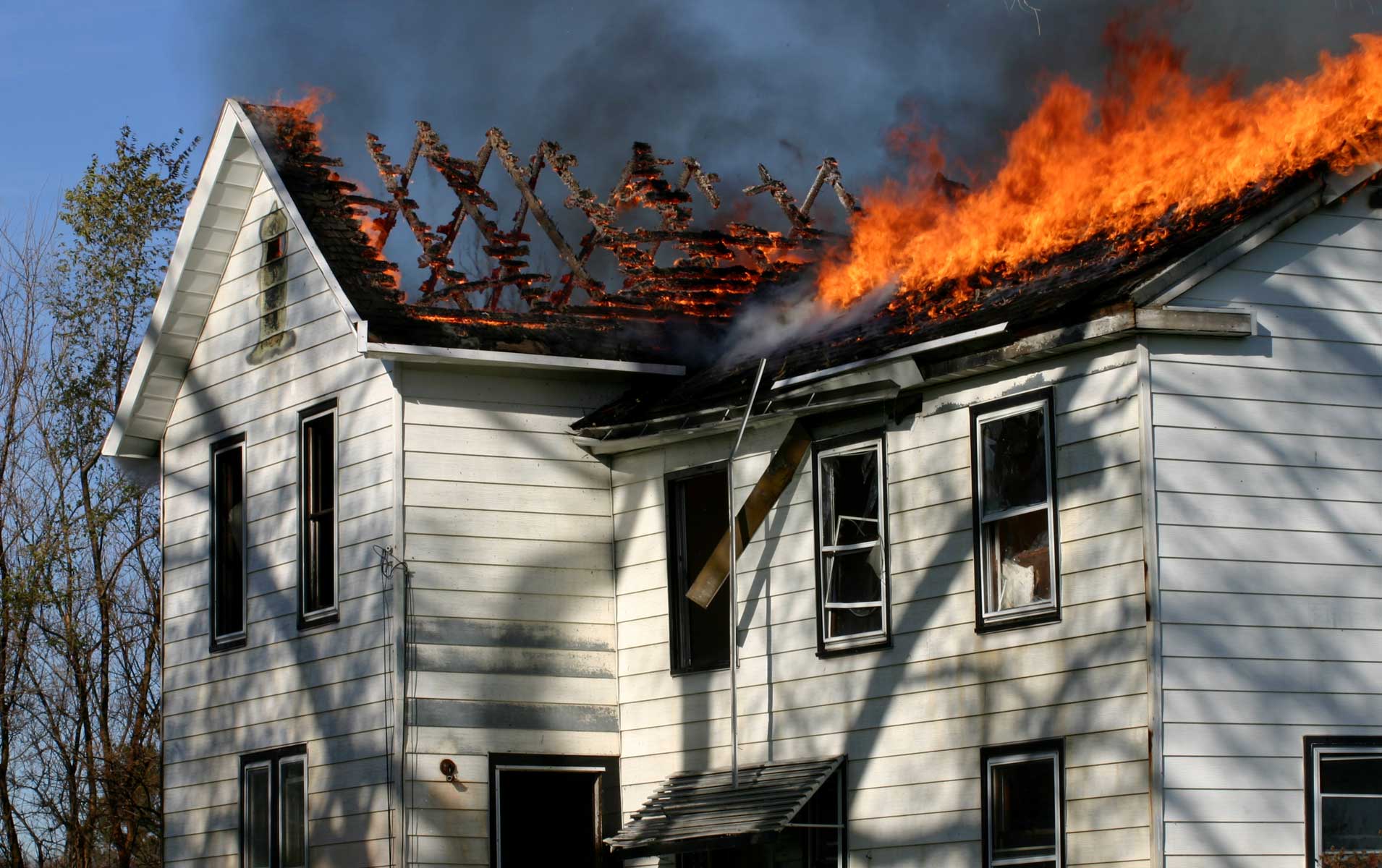
The fire trucks have left. The smoke has cleared enough to see your door. You stand in the driveway looking at the scorched siding, the broken windows and the water still pooling on the porch from the fire hose. In Clearwater, where the humid subtropical climate accelerates mold growth and salt air corrodes metal fast waiting a few days to start recovery can turn a bad situation into a much worse one.
Why Clearwater Homeowners Need Fast Fire Damage Recovery
Clearwater sits on Florida’s Gulf Coast, a city of single-family homes, condos and historic properties built across decades. The climate here creates challenges for fire recovery. High humidity, frequent afternoon thunderstorms and proximity to salt water mean that water-damaged materials begin molding within 24 to 48 hours. Corrosion starts on metal fixtures and wiring immediately after exposure to firefighting water and salt air.
Homeowners in this area face a threat after a fire. The flames cause destruction. Smoke and soot penetrate walls, ducts and fabrics leaving residue that etches surfaces and creates health hazards. Then the water used to extinguish the fire saturates drywall, insulation and flooring creating the environment for mold and rot.
There is also a safety dimension many people overlook. According to the National Fire Protection Association local fire departments responded to an estimated 1.38 million fires in the United States. Those fires caused 3,920 deaths and $19 billion in property damage. A home structure fire was reported every 96 seconds. The statistics are. They underscore why professional restoration matters. Soot particles are microscopic. Can penetrate deep into lungs causing respiratory problems for children, the elderly and anyone with asthma.Trusted fire damage restoration in Clearwater, FL
Types of Fire Damage and Restoration Approaches
* Not all fires leave the damage profile. The type of fire determines the cleaning methods, materials needed and overall cost.
* Here is a comparison of the four common fire classifications and their restoration implications for Clearwater homes.
* Class A fires are the common in residential settings. They leave behind powdery soot that responds well to HEPA vacuuming and dry-cleaning sponges.
* Class B and K fires, often starting in garages or kitchens create residues that smear when wet and require specialized chemical cleaning agents.
* Electrical fires are particularly destructive because they spread quickly through walls and attics before anyone notices often causing damage to framing and wiring.
A realistic example: a homeowner near Clearwater Beach had a kitchen grease fire that spread to the cabinets and ceiling before the fire department arrived. The flames were contained to the kitchen. Smoke traveled through the HVAC system into every room. The restoration crew spent three days on soot removal and deodorization replaced the kitchen cabinets and drywall and cleaned the duct system. The total cost was $18,500. The homeowner was able to return in six weeks.
The Fire Damage Restoration Process Step by Step
Professional restoration follows a proven sequence. Each step builds on the last. Skipping any stage risks incomplete recovery.Top fire damage restoration in Clearwater, FL
* **Step 1: Emergency Contact and Site Security**: Restoration companies operate 24/7 because fires do not follow business hours. The crew arrives within hours to board up windows, tarp damaged roof sections and install temporary fencing if the structure is unstable.
* **Step 2: Damage Assessment and Documentation**: Technicians inspect every room testing spaces for smoke and water penetration. They photograph everything for insurance documentation. Create a detailed scope of work.
* **Step 3: Water Extraction and Drying**: Firefighting water often causes much damage as the fire itself. Crews deploy truck-mounted extractors, submersible pumps and industrial dehumidifiers to remove standing water and dry saturated materials.
* **Step 4: Debris Removal and Controlled Demolition**: Charred materials, melted plastics and water-logged insulation are removed safely.
* **Step 5: Soot and Smoke Cleaning**: Specialists use cleaning sponges for powdery soot chemical agents for oily residues and ultrasonic cleaning for delicate items.
* **Step 6: Odor Elimination**: Smoke odor is stubborn. Air fresheners mask it temporarily. The smell returns. Professionals use fogging, ozone generators and hydroxyl machines to neutralize odor molecules at the chemical level.
* **Step 7: Content Cleaning and Pack-Out**: Salvageable belongings. Furniture, electronics, documents, clothing. Are inventoried, packed and transported to an off-site facility for cleaning.
* **Step 8: Reconstruction and Final Inspection**: Crews repair or replace drywall, flooring, roofing, electrical systems and plumbing.
Professional fire damage restoration in Clearwater, FL
What Fire Damage Restoration Costs in Clearwater
Pricing depends on the fire classification, square footage affected and whether structural reconstruction is needed. Based on market data here is what Clearwater homeowners can expect.
* Minor fire damage. Smoke and soot in one or two rooms with little structural damage. Typically costs $3,000 to $10,000.
* Moderate damage affecting rooms with partial drywall and flooring replacement runs $10,000 to $50,000.
* Severe damage requiring reconstruction, roof replacement or full electrical rewiring can exceed $50,000 and approach $180,000.
According to Angi the national average for fire damage restoration is $27,175 with most projects falling between $3,107 and $51,243. Florida averages $64,900 per project than the national mean due to coastal labor costs stricter building codes and the humidity-driven need for rapid response.
How to Choose the Right Fire Damage Restoration Contractor in Clearwater
Not every contractor who remodels kitchens knows how to handle -fire recovery. Fire restoration requires training, equipment and certifications. Here is what to look for.
Verify IICRC Certification
The Institute of Inspection, Cleaning and Restoration Certification sets the industry standard for fire and smoke restoration.
Check for Local Permitting Experience
Pinellas County and the City of Clearwater require permits for repairs, electrical work and plumbing modifications after a fire.Affordable fire damage restoration in Clearwater, FL
Request a Scope and Timeline
A professional restoration company provides a written estimate listing every phase: emergency board-up, water extraction, debris removal, cleaning, deodorization, reconstruction and final inspection.
Confirm Insurance Coordination
Fire restoration is always an insurance claim. The contractor should document damage with photos provide itemized estimates in Xactimate or similar insurance-standard software and communicate directly with your adjuster.
Look for Full-Service Capability
Some companies only clean. Others only rebuild. The best contractors handle everything from emergency response through reconstruction.
Frequently Asked Questions
How much does fire damage restoration cost in Clearwater, FL?
Most homeowners pay between $3,000 and $64,900 depending on severity.
Do I need a permit to repair fire damage in Clearwater?
Yes. The City of Clearwater and Pinellas County require permits for repairs, electrical work and plumbing modifications following a fire.
How long does fire damage restoration take?
Minor fires take 1 to 2 weeks. Moderate damage, with reconstruction takes 4 to 8 weeks. Severe fires requiring rebuilding can take 3 to 6 months.
What does fire damage restoration include?
Fire damage restoration includes emergency contact and site security, damage assessment and documentation water extraction and drying, debris removal and controlled demolition, soot and smoke cleaning, odor elimination, content cleaning and pack-out and reconstruction and final inspection.
Can smoke damage be completely removed?
Yes, with equipment. Thermal fogging, ozone treatments and hydroxyl generators neutralize smoke odors at the level. Smoke damage is really hard to get rid of on your own because smoke particles are tiny and get deep into things.
Will my homeowners insurance cover fire damage restoration?
Most policies cover fire damage, including structural repairs, smoke cleanup, water damage from firefighting and temporary housing. You have to pay your deductible. Your restoration contractor can help with the claim.
Can I stay in my home during restoration?
If its a small fire in one room you might be able to stay in the other parts of your home.. If the damage is bad it’s safer to leave. Many insurance policies cover housing costs.
What health risks does fire damage pose?
Soot and smoke particles can cause breathing problems for kids, old people and people with asthma. The EPA says that tiny particles from smoke can get deep into your lungs. Cleaning with HEPA filtration is important for safety.
How quickly does mold grow after a fire in Clearwater?
In Florida’s weather mold can start growing in as little as 24 to 48 hours after water exposure. That’s why getting rid of water and drying things out fast is crucial.
What items can be salvaged after a fire?
Furniture, electronics, documents and clothing that are only damaged by smoke or water can often be. Saved. Items that are burned charred or melted usually can’t be saved. A restoration team will look at each item.
Should I board up my home after a fire?
Yes do it away. Broken windows and holes in the roof let in weather, pests and thieves. Many restoration companies offer emergency board-up services.
Conclusion
A fire is one of the stressful things that can happen to a homeowner. The damage doesn’t stop when the fire is out. Smoke keeps hurting surfaces water keeps soaking things and mold starts growing. The important thing you can do after ensuring everyone’s safety is choosing a restoration contractor who can act fast and handle everything.
If you want a team that knows about Pinellas County’s rules the mold risks in humid weather and the challenges of salt-air corrosion, on fire-damaged structures Major Restoration offers emergency response. They can walk you through the assessment and recovery process without pressure.