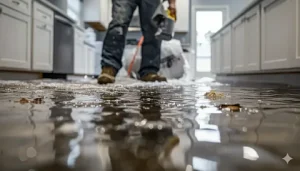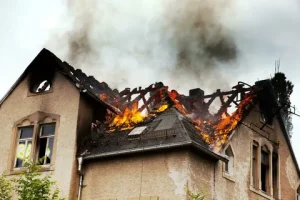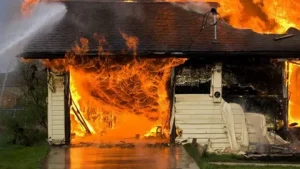
Water damage can affect a property in minutes, yet its consequences may continue long after the visible water disappears. A burst pipe, leaking appliance, roof leak, or sudden flood can damage flooring, drywall, insulation, and other building materials. Acting quickly helps limit further damage and makes it easier to plan an effective recovery.
Major Restorations provides property restoration services for residential and commercial buildings across Florida. Understanding the causes of water damage, recognizing hidden moisture, and arranging appropriate restoration work can help property owners protect their buildings and make informed decisions during a stressful situation.
Why Prompt Water Damage Restoration Matters
Water can spread through porous materials and enter areas that are difficult to inspect. Even when standing water has been removed, moisture may remain behind walls, beneath flooring, or inside ceilings. Leaving affected materials wet can contribute to deterioration, unpleasant odors, and conditions that support mold growth.
Professional restoration focuses on more than removing visible water. The process also involves assessing the affected areas, identifying moisture, drying the structure, and determining which materials can be cleaned or need replacement.
Reduce Additional Property Damage
Water can cause wood flooring to swell, drywall to soften, and cabinetry to deteriorate. Prolonged moisture may also affect framing and other structural components.
Prompt water extraction and appropriate drying can help limit these problems. If water is still entering the property, stopping the source is an important early step, provided it can be done safely.
Identify Hidden Moisture
Water does not always remain near the original leak. It can travel through wall cavities, beneath baseboards, and under flooring. As a result, a room may appear dry while moisture remains in less visible areas.
Restoration professionals can use moisture meters and other assessment tools to identify affected materials and monitor drying progress. This information helps determine when the property is ready for repairs.
Address Odors and Sanitation Concerns
Water-damaged materials may develop musty odors as moisture persists. The appropriate cleanup method depends on the source of the water and the materials affected.
Clean water from a supply line may require a different response from floodwater containing contaminants. When water may contain sewage or other hazardous substances, avoid direct contact and seek qualified assistance.
Support a More Organized Recovery
Water damage can involve several stages, including extraction, drying, cleaning, repairs, and reconstruction. Coordinating these tasks helps ensure that damaged areas are addressed in the right order.
For example, closing a wall before the affected materials have dried adequately can trap moisture and create further problems. A documented restoration plan helps property owners understand what needs attention before rebuilding begins.
Common Causes of Water Damage in Homes and Businesses
Water damage can occur suddenly or develop gradually. Identifying the source is essential because cleaning the affected area without addressing the underlying problem may allow the damage to return.
Common causes include:
- Burst or leaking pipes: Plumbing failures can release water into walls, ceilings, cabinets, and floors.
- Appliance leaks: Washing machines, dishwashers, refrigerators, and water heaters can leak or overflow.
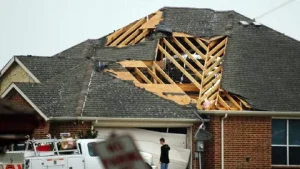
- Roof leaks: Damaged roofing or flashing can allow rainwater to enter attics and interior rooms.
- Storm flooding: Heavy rainfall and rising water can affect foundations, ground-level rooms, and exterior structures.
- Overflowing fixtures: Bathtubs, sinks, and toilets may cause damage when water escapes onto surrounding surfaces.
- Drainage problems: Poor drainage or blocked systems may allow water to collect near or enter a building.
If a leak is active, address the source when safe and avoid areas where water may have reached electrical equipment. Never enter standing water if there is a possible electrical hazard.
What Happens During Professional Water Damage Restoration?
Every water damage incident is different. The appropriate restoration process depends on the source of the water, the amount of moisture, the materials affected, and how long the property has been wet.
Initial Assessment and Water Extraction
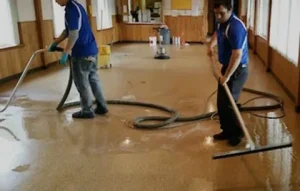
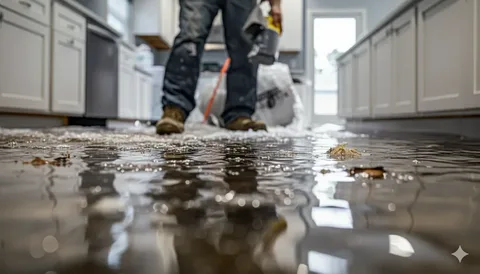
The first stage involves assessing visible damage, identifying potential hazards, and determining how far the water has spread. Standing water can then be removed using suitable extraction equipment.
Removing water promptly helps limit continued exposure of floors, walls, and other building materials. The restoration plan should also account for any continuing leaks or water entry.
Structural Drying and Moisture Monitoring
After extraction, the affected areas may need controlled drying. Air movers and commercial dehumidifiers can help remove moisture from the building environment and affected materials.
Drying should be monitored rather than based solely on how a surface feels. Moisture readings help determine whether materials are drying adequately and whether additional work is needed before repairs can begin.
Cleaning and Treatment
Cleaning requirements depend on the type of water and the extent of contamination. Some materials may be cleaned and dried, while others may require removal because they are heavily damaged or cannot be restored safely.
Appropriate treatment can help address contamination and lingering odors. However, no single cleaning method is suitable for every water damage situation.
Repairs and Reconstruction
Once affected areas have been assessed and adequately dried, repairs can begin. Depending on the damage, this may involve replacing drywall, insulation, flooring, trim, or other building materials.
For homeowners and businesses comparing options, professional water damage restoration services can help clarify the different stages involved in water removal, structural drying, cleanup, and property recovery.
Water Damage Restoration for Properties in Clearwater, FL
Clearwater homeowners and business owners may encounter water damage from plumbing failures, appliance leaks, roof problems, and severe weather. Coastal conditions and heavy rainfall can make it particularly important to respond promptly when water enters a building.
If your property experiences flooding or a major leak, begin by prioritizing safety. Keep away from potentially energized electrical equipment, avoid unstable ceilings or damaged structures, and contact the appropriate emergency services if an immediate hazard exists.
Once the situation is safe, documenting visible damage and identifying the likely source can help support the restoration process. Do not delay professional assessment simply because the water appears to have disappeared; hidden moisture can remain inside building materials.
Property owners can explore water damage cleanup and restoration in Clearwater, FL to learn more about local restoration options for residential and commercial properties.
Planning Property Recovery in Pinellas, FL
Water damage can affect properties throughout Pinellas County, from individual homes to offices, retail spaces, and other commercial buildings. Although the visible damage may appear limited to one room, moisture can spread into adjoining areas and concealed spaces.
A thorough assessment helps determine whether the affected area requires extraction, structural drying, cleaning, material removal, or reconstruction. It also helps establish which parts of the property can remain in use and which areas may need to be restricted for safety.
Property owners should keep records of the incident, including photographs, dates, visible damage, and any steps taken to stop the water source. If an insurance claim may be involved, contact the insurer promptly and follow its documentation requirements. Coverage depends on the policy, the cause of the damage, and the specific circumstances.
For additional information, explore fire, water, and storm damage restoration services in Pinellas, FL.
How to Prepare for Water Damage Restoration
Taking sensible steps after discovering water damage can help protect people and reduce additional property loss.
- Prioritize safety: Stay away from standing water where electrical hazards may exist.
- Stop the source if safe: Shut off the relevant water supply when you can do so without exposing yourself to danger.
- Arrange professional help: Significant flooding, contaminated water, or moisture inside walls and flooring may require specialized equipment.
- Document visible damage: Take photographs and keep records for your own reference and any insurance claim.
- Protect unaffected belongings: Move items away from affected areas only when it is safe to do so.
- Avoid premature repairs: Do not cover wet materials or begin reconstruction before the moisture problem has been assessed.
- Follow restoration guidance: Ask which materials can be restored, which need replacement, and how drying progress will be verified.
Avoid using ordinary household equipment in wet areas where electrical risks may be present. When the damage is extensive or the water source is uncertain, professional guidance is the safer choice.
Conclusion
Water damage restoration involves more than removing standing water. Proper assessment, moisture detection, structural drying, cleaning, and carefully planned repairs all contribute to a more effective recovery. Responding promptly can help reduce further deterioration and identify hidden problems before they become more extensive. Major Restorations provides water, fire, smoke, and storm damage restoration services across Florida, including Clearwater and Pinellas County. When water damage occurs, prioritizing safety and arranging an appropriate assessment can help you take the next steps toward restoring your property.
Frequently Asked Questions
How quickly should water damage be addressed?
As soon as it is safe to do so. Water can spread into building materials and concealed spaces, so prompt assessment and extraction can help limit further damage.
Can a property look dry while still having water damage?
Yes. Moisture can remain inside walls, insulation, subfloors, and ceilings even after visible water has disappeared. Moisture assessment and monitoring can help identify affected areas.
Does every water-damaged material need to be replaced?
No. Some materials can be cleaned and dried, while others may need removal because of contamination, deterioration, or their inability to dry adequately. The decision depends on the material and the conditions involved.
Can water damage lead to mold growth?
Persistent moisture can create conditions that support mold growth. Prompt water removal, thorough drying, and appropriate handling of affected materials can help reduce this risk.
Will homeowners insurance cover water damage restoration?
Coverage depends on the policy and the cause of the damage. Sudden plumbing failures and flooding may be treated differently under insurance terms, so review your policy and contact your insurer to understand the applicable requirements.