When severe weather strikes, the damage can happen within minutes, but the recovery process often takes much longer. Major Restorations understands how unpredictable Florida storms can be, which is why homeowners often search for reliable information about storm damage restoration services in Hernando, FL before disaster happens. Knowing what restoration involves, how professionals respond, and what steps protect your home can make recovery faster, safer, and less stressful.
Why Are Storm Damage Restoration Services in Hernando, FL Essential?
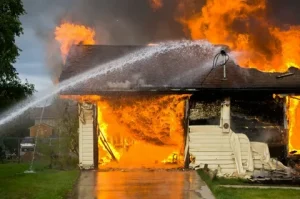
Living in Hernando, FL means enjoying warm weather for most of the year, but it also means preparing for hurricanes, tropical storms, heavy rain, and strong winds. These weather events often damage roofs, siding, windows, ceilings, and even structural components. Professional storm damage restoration services in Hernando, FL help restore homes quickly while preventing hidden problems such as mold growth, weakened framing, and electrical hazards.
Experienced restoration specialists know that every hour counts after storm damage. According to restoration industry best practices, beginning water mitigation within the first 24 to 48 hours significantly reduces secondary damage and lowers repair costs. Acting early also protects indoor air quality and preserves valuable building materials.
How Storms Affect Residential Properties
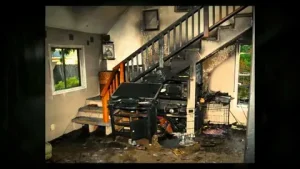
Storm damage rarely affects just one part of a house. Wind may remove shingles while rainwater enters the attic, eventually damaging insulation, drywall, flooring, and electrical systems. Fallen trees can compromise structural integrity, and standing water creates conditions where mold develops rapidly.
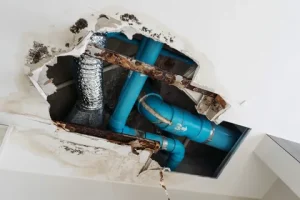
Many homeowners only notice visible damage. However, professional inspections often uncover hidden moisture trapped behind walls or beneath flooring that would otherwise remain unnoticed until expensive repairs become necessary.
What Happens During Professional Storm Damage Restoration?
Professional restoration follows a proven process designed to stabilize the property, remove hazards, and return the home to its pre-loss condition.
Initial Damage Assessment
Restoration professionals begin with a detailed inspection using moisture meters, thermal imaging cameras, and visual evaluations. This helps identify both obvious and hidden damage while creating a restoration plan tailored to the property’s condition.
Emergency Mitigation Measures
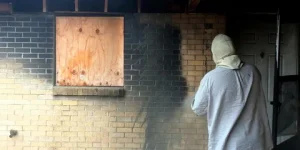
Before permanent repairs begin, emergency services help stop further deterioration. These measures often include roof tarping, board-up services, water extraction, debris removal, and temporary structural support where necessary.
Drying, Cleaning, and Restoration
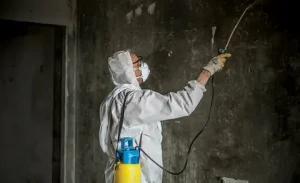
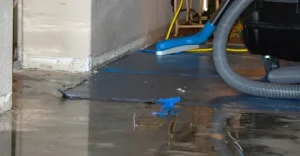
Industrial air movers and commercial-grade dehumidifiers remove trapped moisture from walls, floors, and ceilings. Cleaning and sanitizing affected surfaces reduce contamination while preventing mold growth. Once drying is complete, repair work restores damaged roofing, drywall, flooring, insulation, and interior finishes.
Industry organizations such as the IICRC recommend scientific drying methods because visible dryness does not always indicate that building materials are completely moisture-free.
Which Types of Storm Damage Require Immediate Attention?
Some storm-related problems can wait a few days for cosmetic repairs, while others require immediate action to prevent larger structural issues.
Roof and Structural Damage
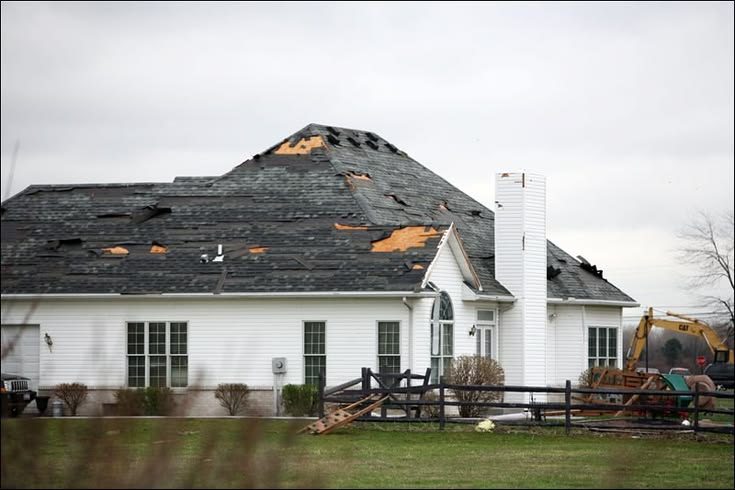
Missing shingles, punctured roofing materials, damaged flashing, and fallen tree limbs expose the home to additional water intrusion. Even a small roof opening can allow gallons of water inside during the next rainfall.
Water Intrusion and Flood Damage
Floodwater quickly affects flooring, drywall, insulation, and wooden framing. Without rapid water damage restoration after storms, moisture can weaken structural materials and create conditions for mold colonies within 24 to 48 hours.
Electrical and Safety Concerns
Water entering electrical systems creates serious hazards. Professionals storm damage restoration services typically recommend shutting off affected circuits until licensed electricians inspect damaged wiring and equipment.
How Can Homeowners Reduce Storm Damage Before Restoration Begins?
Preparation cannot stop severe weather, but it can reduce the amount of damage your property experiences.
Keeping gutters clean allows rainwater to drain properly instead of backing onto the roof. Trimming trees reduces the chance of falling limbs damaging structures during high winds. Regular roof inspections identify loose shingles before storms expose vulnerable areas.
Another smart habit involves documenting your home’s condition with updated photographs. These records often simplify insurance claims if storm damage occurs.
Many restoration experts also recommend reviewing insurance coverage before hurricane season rather than after a disaster. Understanding deductibles, exclusions, and documentation requirements helps homeowners avoid delays during the claims process.
Why Professional Restoration Delivers Better Long-Term Results
Some homeowners attempt to clean up after a storm. While removing debris is reasonable when conditions are safe, complete restoration requires specialized equipment and training.
Advanced Moisture Detection
Professionals use infrared imaging, moisture mapping, and calibrated meters to locate water hidden behind walls and beneath flooring. These tools identify moisture that ordinary visual inspections cannot detect.
Insurance Documentation
Detailed photographs, moisture readings, repair estimates, and restoration reports provide valuable documentation for insurance companies. Organized records often help streamline the claims process while supporting accurate repair costs.
Preventing Future Problems
Restoration focuses on more than repairing visible damage. Professionals address underlying moisture issues, improve ventilation where needed, replace compromised materials, and ensure repairs meet current building standards. These steps reduce the likelihood of recurring leaks, mold growth, and structural deterioration.
A common example involves attic water intrusion. A homeowner may only notice a ceiling stain, yet professional moisture testing frequently reveals wet insulation, hidden framing damage, and elevated humidity throughout the attic. Addressing these issues early prevents much larger repair bills later.
Final Thoughts
Florida storms arrive with little warning, making preparation and fast response essential for protecting your home. Learning how storm damage restoration services work helps homeowners recognize damage early, understand the restoration process, and make informed decisions after severe weather. Whether the damage involves wind, flooding, roof leaks, or structural issues, timely restoration minimizes long-term costs while protecting your property’s safety, value, and comfort. Investing in professional restoration is ultimately an investment in your home’s future resilience.
Frequently Asked Questions
How soon should storm damage restoration begin after a storm?
Restoration should begin as quickly as possible, ideally within 24 to 48 hours. Early mitigation reduces water damage, prevents mold growth, and limits structural deterioration.
Does homeowners insurance usually cover storm damage restoration?
Many policies cover storm-related damage caused by covered events, but coverage varies. Reviewing your policy and documenting all damage helps support the claims process.
What equipment do restoration professionals use?
They commonly use industrial dehumidifiers, air movers, moisture meters, thermal imaging cameras, water extraction equipment, and specialized drying systems.
Can hidden moisture remain after visible water disappears?
Yes. Water often remains inside walls, insulation, ceilings, and subfloors. Professional moisture detection identifies these hidden areas before they create larger problems.
How long does storm damage restoration usually take?
Minor restoration may take several days, while extensive structural repairs can require several weeks depending on the severity of the damage and drying requirements.