A property fire can leave several problems behind long after the flames are extinguished. Burned materials may attract the most attention, but smoke, soot, heat, and water from firefighting efforts can affect rooms far beyond the original fire area. Reliable Fire Damage Restoration Services help property owners understand the full extent of these conditions and organize recovery in a practical order.
Homeowners in Clearwater may return to find stained walls, damaged flooring, persistent smoke odors, wet building materials, and belongings covered with residue. Some damage is easy to see, while other problems may remain inside wall cavities, ceilings, cabinets, or adjoining rooms. For this reason, restoration should begin with a careful property assessment rather than immediate cosmetic repairs.
Major Restorations provides fire, smoke, water, and storm restoration services for residential and commercial properties throughout Florida. A complete fire recovery plan should consider safety, cleaning, moisture, damaged contents, and structural repairs together so one problem is not addressed while another remains hidden.
Understanding the Full Extent of Fire Damage
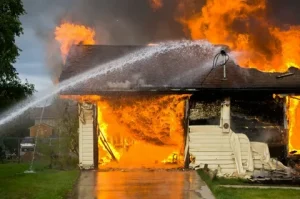
Fire damage rarely remains limited to the exact place where flames were present. Heat can affect nearby finishes and building materials, while smoke travels through openings, hallways, HVAC pathways, and adjoining spaces. Water used during firefighting can also spread across floors and into walls, creating a second layer of damage that needs attention before reconstruction.
Start With a Careful Property Assessment
Once emergency officials confirm that the property can be entered safely, restoration professionals can begin documenting conditions throughout the affected area. They may inspect ceilings, walls, floors, cabinetry, structural materials, and rooms that appear visually unaffected but were exposed to smoke.
Professional fire damage cleanup should follow what the inspection actually reveals. Some materials may only need specialized cleaning, while heavily burned, saturated, or physically damaged components may require removal. This approach keeps restoration focused on the real condition of the property instead of assuming everything near the fire must be replaced.
Homeowners can also photograph affected areas and keep records of damaged belongings when it is safe to do so. Clear documentation helps create a more organized recovery process from the beginning.
How Professional Fire Restoration Cleaning Works
Cleaning a fire-damaged property is very different from ordinary household cleaning. Soot can be dry, oily, acidic, or deeply embedded depending on what burned and how smoke traveled through the building. Using an unsuitable cleaner or aggressive scrubbing method can spread staining across walls, fabrics, and finished surfaces instead of removing it.
Different Surfaces Need Different Cleaning Methods
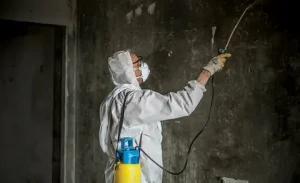
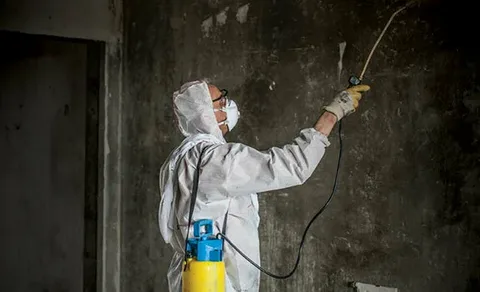
Professional Fire Damage Restoration Services may involve specialized cleaning for ceilings, walls, flooring, cabinets, fixtures, and other affected materials. The correct approach depends on both the type of residue and the surface underneath it.
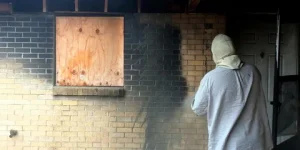
Soot removal services may involve controlled vacuuming, specialized cleaning products, dry-cleaning methods, or other techniques selected for the material. Painted drywall, metal, upholstery, glass, and unfinished wood should not automatically receive the same treatment.
Major Restorations can also evaluate areas beyond the most visibly damaged room. Fine smoke residue may settle across nearby surfaces even when flames never reach them. A thorough inspection helps determine where cleaning should stop and prevents homeowners from overlooking areas that still contain contamination.
Why Smoke Odors Can Remain After Cleanup
Smoke odors often remain after visible residue has been removed because smoke particles can settle inside porous materials. Carpeting, upholstery, drywall, unfinished wood, insulation, and other materials may continue releasing odor after surface cleaning. Simply opening windows or using fragrance products may temporarily change the smell without removing the source.
Remove Smoke Residue Before Treating Odors
Professional smoke odor removal in Clearwater, FL should begin by identifying which materials continue to hold smoke contamination. Cleaning and removing heavily affected materials usually needs to happen before deodorization methods can provide meaningful results.
A room that still contains soot-covered debris may continue producing odor regardless of how much air freshener is used. Therefore, restoration teams commonly work through the property in stages, removing damaged materials and cleaning recoverable surfaces before addressing remaining odor.
Air filtration or specialized deodorization methods may also become part of the process depending on the conditions found inside the building. Professional Fire Damage Restoration Services should focus on reducing the source of the odor rather than simply covering it temporarily.
Addressing Water Damage After Firefighting Efforts
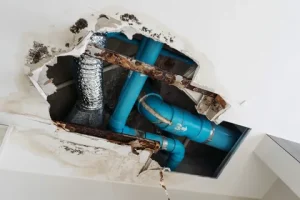
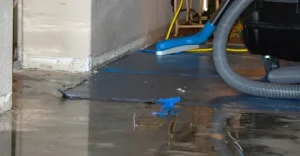
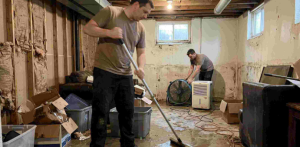
A fire can create water damage even when no plumbing failure or storm occurred. Firefighters may use significant amounts of water to control flames, and that moisture can move through flooring, drywall, insulation, ceilings, and cabinets. These materials may remain damp after the fire scene appears visually dry.
Dry the Property Before Repairs Begin
Restoration professionals may use extraction equipment, air movement, dehumidification, and moisture monitoring to address water left behind after firefighting. The amount of drying needed depends on the volume of water, the materials affected, indoor conditions, and how long moisture remains in place.
Structural fire repair should generally wait until moisture conditions have been evaluated. Installing new flooring, drywall, insulation, or cabinetry over damp materials can hide problems that should have been addressed earlier.
Deciding What Can Be Restored or Replaced
After a fire, homeowners often wonder whether damaged belongings and building materials can be saved. There is no single answer because restoration depends on heat exposure, smoke penetration, water saturation, material type, physical damage, and the cost or practicality of cleaning.
Base Decisions on Condition, Not Appearance Alone
Some furniture, fixtures, hard surfaces, and personal belongings may respond well to professional cleaning. Other materials can absorb smoke deeply or become physically damaged enough that replacement makes more sense. A blackened surface may sometimes be cleanable, while a less dramatic-looking material may have suffered deeper heat or moisture damage.
Contents should also be handled carefully. Moving soot-covered belongings through clean rooms can transfer residue, while throwing everything away immediately may eliminate items that could potentially have been restored. Documenting belongings before disposal can also help homeowners maintain a clearer record of the loss.
Trusted Fire Damage Restoration Services should help separate materials that can reasonably be restored from those that require replacement. That targeted approach avoids unnecessary demolition while still addressing damage that could affect the finished property.
Moving From Fire Cleanup Into Property Repairs
Reconstruction should begin only after the property has been stabilized and the major cleanup work is far enough along to support permanent repairs. Smoke residue, hidden moisture, and damaged structural materials should not be covered simply because homeowners want the property to look normal again quickly.
Complete Recovery in the Right Order
Professional fire restoration cleanup in Manatee, FL may lead into drywall replacement, flooring work, painting, ceiling repairs, cabinetry restoration, or other reconstruction depending on the severity of the fire.
The order matters. Damaged materials should first be removed where necessary, followed by soot and smoke cleaning, moisture control, drying, and then permanent reconstruction. When those stages overlap incorrectly, newly installed finishes may need to be disturbed again.
Major Restorations can help connect the cleanup and repair phases so reconstruction reflects what was found during restoration. Conditions discovered behind drywall, flooring, or cabinetry may change the original repair scope, so communication throughout the project remains important.
Conclusion
Recovering from a fire involves much more than replacing the areas touched directly by flames. Smoke can travel throughout a property, soot can settle on different surfaces, and firefighting water can leave moisture inside floors, walls, ceilings, and other building materials. Each type of damage requires a different response, but all of them should be considered within one organized restoration plan.
Expert Fire Damage Restoration Services begin with a careful assessment and move through cleanup, soot removal, odor treatment, drying, material evaluation, and reconstruction in a logical order. This allows restoration professionals to make decisions based on actual property conditions instead of focusing only on what is immediately visible.
Homeowners in Clearwater and Manatee should also avoid rushing into repainting or replacing finishes before hidden moisture and smoke contamination have been addressed. Some existing materials may still be suitable for restoration, while others may require removal because of heat, water, or structural damage.
Working with Major Restorations gives property owners a coordinated approach to fire, smoke, soot, moisture, and repair needs. A careful restoration process can help move a damaged home or business from emergency cleanup toward a stable, clean, and usable condition.
FAQ’s
How soon should fire damage restoration begin after a fire?
Restoration should begin once emergency authorities confirm the property is safe to access. Early inspection can help identify smoke, soot, moisture, and damaged materials before repair decisions are made.
Can smoke damage spread into rooms without visible fire damage?
Yes. Smoke can move through openings, hallways, vents, and adjoining areas, leaving odors or residue in rooms that were never directly exposed to flames.
Why should soot be professionally cleaned?
Different soot residues react differently to surfaces. Using the wrong cleaning method can smear contamination, create staining, or damage the material underneath.
Why is moisture checked during fire restoration?
Water used during firefighting can soak walls, flooring, ceilings, insulation, and other materials. These areas may need professional drying before reconstruction begins.
Can some fire-damaged materials be restored instead of replaced?
Yes. Restoration depends on the material, heat exposure, smoke contamination, moisture, physical condition, and whether effective cleaning or repair is practical.