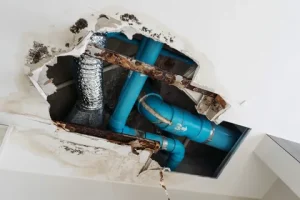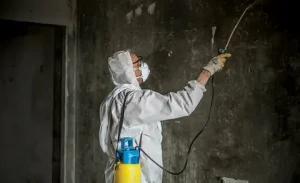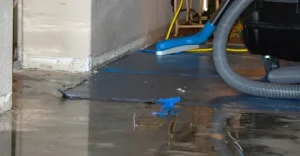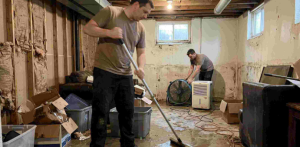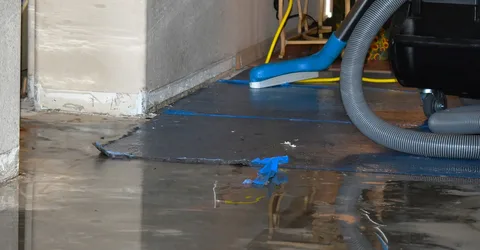
Water can spread through flooring, drywall, cabinets, insulation, and structural materials within a short period. Reliable Emergency Water Extraction Services help remove standing water quickly while giving restoration professionals an opportunity to identify moisture that may have traveled beyond the visible damage. Fast extraction is especially important after plumbing failures, appliance leaks, roof intrusion, or indoor flooding.
Property owners in Sarasota may notice puddles first, but visible water rarely tells the complete story. Moisture can move beneath flooring or into wall cavities where household fans cannot dry it effectively. Therefore, professional water recovery should combine extraction with moisture assessment and controlled drying.
Major Restorations provides fire, water, smoke, and storm restoration solutions throughout several Florida communities. Its water restoration work includes emergency extraction, drying, moisture control, cleanup, and property recovery.
A successful response should focus on the source of the water, affected materials, contamination concerns, and how far moisture has traveled. The following guide explains extraction, drying, moisture detection, flood cleanup, and practical recovery planning for properties in Sarasota and Manatee.
Respond Quickly When Water Enters the Property
Water damage becomes more complicated when moisture remains in contact with porous materials. Drywall, carpet padding, insulation, wood, and cabinetry can absorb water even after standing water appears limited.
Therefore, property owners should focus first on controlling the source and determining whether the affected area is safe to enter.
Establish the Right Priorities After a Water Loss
The first response may include:
- Stopping the water source when it is safe
- Avoiding electrical hazards
- Documenting visible damage
- Keeping people away from contaminated water
- Contacting qualified restoration professionals
Professional water mitigation services should consider both visible and hidden damage.
For example, a supply-line failure may release clean water initially. However, the longer materials remain wet, the more difficult restoration can become. Meanwhile, water entering from outside or through a backup may require different cleaning and material-handling decisions.
Property owners should also avoid removing large amounts of damaged material before documenting conditions unless safety requires immediate action.
The objective during the first stage is stabilization. Once the source is controlled and immediate hazards are addressed, professionals can determine where water traveled and which materials need extraction, drying, cleaning, or removal.
How Emergency Water Extraction Services Remove Standing Water
Removing bulk water is one of the first major steps in a professional water restoration process. Household mops and wet vacuums may help with very small spills, but larger losses can involve water beneath surfaces and across multiple rooms.
Professional extraction equipment allows technicians to remove more water before controlled drying begins.
Match Extraction Methods to the Property Conditions
Emergency Water Extraction Services should begin with an assessment of the water source, affected square footage, flooring, walls, and surrounding rooms.
The process may include:
- Removing standing water from accessible areas
- Extracting moisture from suitable carpet or flooring
- Checking adjoining rooms
- Inspecting baseboards and wall edges
- Evaluating materials beneath the visible surface
Effective extraction can reduce the amount of moisture that drying equipment must handle afterward.
However, removing visible water does not mean the structure is dry. Moisture may remain inside drywall, subflooring, framing, insulation, or cabinets.
Major Restorations can combine extraction with moisture detection and drying based on the conditions found at the property.
The strongest approach follows actual moisture movement rather than limiting cleanup to the room where the water first appeared.
Find Hidden Moisture Before Repairs Begin
One of the most common mistakes after a water event is assuming a surface is dry because it no longer looks wet. Moisture can remain inside porous materials long after puddles disappear.
Repairing or covering these materials too early can make later moisture problems harder to identify.
Use Moisture Conditions to Guide Drying
Professional structural drying services in Sarasota, FL can help address moisture retained within floors, walls, ceilings, and other building materials.
Technicians may evaluate:
- Drywall and wall cavities
- Subflooring
- Wood framing
- Cabinet bases
- Insulation
- Adjacent rooms
Moisture removal services should rely on more than touch alone. Moisture meters and other detection methods can help identify areas that require closer attention.
Air movement and dehumidification also perform different jobs. Air movers encourage moisture to leave affected materials, while dehumidifiers help remove that moisture from the surrounding air.
Drying times vary because materials, humidity levels, water volume, and room conditions are different on every project.
Therefore, professionals should monitor progress instead of assuming that running equipment for a fixed number of days guarantees complete drying.
Handle Flooded Rooms According to the Water Source
Not every water loss should be cleaned the same way. A leaking appliance supply line, roof leak, stormwater intrusion, and plumbing backup can expose the property to different conditions.
Understanding where the water came from helps determine appropriate cleaning, drying, and material-removal decisions.
Evaluate Contamination Before Restoring Materials
Professional Emergency Water Extraction Services should include an assessment of the water source before restoration progresses.
Important questions include:
- Did the water come from a clean supply line?
- Did outside water enter the building?
- Was sewage or another contaminant involved?
- How long were the materials exposed?
- Which porous materials absorbed the water?
Some materials may be suitable for drying and restoration. Others may require removal because of contamination, physical deterioration, or prolonged saturation.
Professional flood damage cleanup can also involve removing debris, cleaning affected surfaces, and addressing moisture beyond the obvious flooded area.
Property owners should avoid using ordinary household cleaning methods when contamination may be present.
A careful assessment helps restoration professionals decide which materials can remain and which require replacement. This approach protects the recovery process from being based solely on appearance.
Dry Structural Materials Before Reconstruction
Water restoration and property repair are related, but they should occur in the proper sequence. Replacing drywall, flooring, trim, or cabinets before affected areas are adequately dried can interfere with moisture control.
Drying should therefore come before most cosmetic reconstruction.
Confirm Conditions Before Installing New Materials
Professional structural drying services may involve controlled air movement, dehumidification, moisture monitoring, and selective access to trapped areas.
Technicians may focus on:
- Wet subfloors
- Wall cavities
- Framing
- Ceiling materials
- Areas behind cabinetry
Drying equipment should be positioned based on the affected materials and room conditions rather than simply placing fans throughout the property.
Major Restorations also provides restoration work that can address damaged surfaces after water removal and drying are complete.
Homeowners should ask how drying progress is being evaluated. Clear moisture measurements provide a better basis for repair decisions than visual inspection alone.
Furthermore, materials respond differently to water exposure. Wood, drywall, insulation, and flooring products each have different restoration limitations.
A well-organized project moves from extraction to drying, then cleaning and repair. Maintaining that sequence helps prevent new materials from covering areas that still require moisture attention.
Coordinate Flood Cleanup With the Complete Recovery Plan
Larger water losses may affect several rooms and require more than one type of restoration work. Flooring may need removal, drywall may require repair, contents may need relocation, and damaged areas may require cleaning before reconstruction.
A coordinated plan keeps these stages connected.
Organize Work Based on Damage Severity
Professional flood damage cleanup in Manatee, FL can involve extraction, moisture control, cleaning, drying, and repair planning depending on the property conditions.
A practical recovery sequence may include:
- Control the water source
- Document affected areas
- Extract standing water
- Inspect hidden moisture
- Dry suitable materials
- Clean affected surfaces
- Plan necessary reconstruction
An emergency water cleanup project should also consider contents and furniture. Moving items away from wet areas can provide better access while helping homeowners identify what requires cleaning or replacement.
Insurance documentation may also become part of the process. Keeping photographs, invoices, moisture records, and lists of damaged materials can help maintain an organized history of the loss.
The specific recovery plan should reflect the property rather than follow the same sequence blindly for every water event.
Conclusion
Water damage recovery requires more than removing the puddles homeowners can see. Moisture can spread beneath floors, behind walls, into cabinets, and through other porous materials, which makes proper assessment an important part of the restoration process.
Trusted Emergency Water Extraction Services should begin by controlling standing water and identifying how far moisture has traveled. From there, technicians can determine which materials need drying, cleaning, monitoring, or removal.
The source of the water also matters. A plumbing leak may require a different cleanup approach than outside flood water or contaminated water. Therefore, restoration decisions should reflect both moisture conditions and the type of water involved.
Homeowners should also avoid beginning cosmetic repairs too early. Drywall, flooring, cabinets, and other finishes should generally be addressed after underlying moisture conditions have been evaluated.
For properties in Sarasota and Manatee, quick action can make the recovery process easier to organize. Extraction, moisture detection, drying, cleanup, and reconstruction should work as connected stages.
Working with Major Restorations gives property owners access to a restoration process focused on water removal and property recovery. Careful sequencing and informed decisions can help return an affected space to a dry, stable, and usable condition.
FAQ’s
How quickly should water extraction begin after flooding?
Extraction should begin as soon as the water source is controlled and the affected area can be approached safely.
Does removing standing water completely dry a property?
No. Moisture may remain inside flooring, walls, insulation, cabinets, framing, and other porous materials after visible water is removed.
Can wet drywall always be saved?
No. The decision depends on water source, exposure time, material condition, contamination, and whether the drywall can be dried appropriately.
Why are dehumidifiers used after water extraction?
Dehumidifiers help remove moisture from indoor air while affected building materials release retained water during the drying process.
What should homeowners document after water damage?
Photograph affected rooms and belongings, keep receipts and invoices, record important dates, and maintain information about cleanup and repair work.