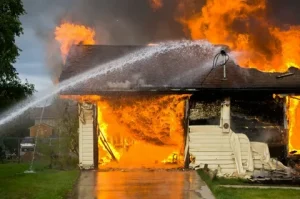
A fire can affect much more than the materials touched by flames. Smoke can move through adjoining rooms, soot can settle on walls and belongings, and firefighting water may introduce moisture into floors, ceilings, and wall cavities. Professional fire and smoke restoration services help Clearwater property owners address these connected problems through inspection, cleanup, odor control, material removal, and structural recovery. Starting restoration promptly can also make it easier to identify which materials may be cleaned and which require replacement.
Major Restorations provides fire, water, smoke, and storm damage restoration throughout Clearwater and other Florida service areas. Its fire restoration work includes soot cleanup, structural repair, smoke-residue treatment, and odor-removal methods for residential and commercial properties.
Every fire creates different restoration needs. A small kitchen fire may leave localized soot and odor problems, while a larger loss can affect structural components, HVAC pathways, finishes, and personal belongings throughout the building. Therefore, a useful restoration plan should respond to the actual damage rather than rely on a standard cleanup checklist.
Begin With a Detailed Fire and Smoke Damage Assessment
Fire restoration should start with understanding how far the damage extends. Burned materials may be obvious, but soot and smoke residue often travel well beyond the original fire area. Heat can also affect finishes and building materials that appear intact from a distance. A careful inspection gives the restoration team a clearer picture of immediate safety concerns, contaminated areas, and materials that may need specialized attention.
The assessment should also consider water used during firefighting. Wet drywall, insulation, flooring, or framing may require drying alongside fire cleanup. Treating these problems together can reduce the risk of overlooking damage simply because it came from a different part of the emergency.
Separate Visible Damage From Hidden Contamination
Reliable fire and smoke restoration services should address burned areas, soot deposits, smoke contamination, odor, and compromised building materials as connected parts of the same recovery process. Major Restorations describes its fire service as including cleanup, structural repairs, soot removal, deodorization, and treatment of hidden smoke contamination.
Technicians may examine ceilings, walls, flooring, ventilation pathways, cabinets, and rooms beyond the immediate fire zone. Smoke particles can move through openings and air pathways, so the room where the fire started is not always the only area that needs attention. A detailed assessment helps establish priorities before cleaning or reconstruction begins.
Remove Soot and Smoke Residue Before Refinishing Surfaces
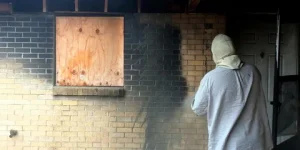
Soot is not simply ordinary household dust. Fire residue can contain fine particles and oily deposits that cling to painted walls, ceilings, cabinets, fixtures, flooring, and other surfaces. Cleaning methods should therefore match the material and the type of residue rather than applying one product everywhere.
Trying to paint directly over contaminated surfaces can leave discoloration or odor problems unresolved. Restoration professionals typically focus on removing contamination first, then determine whether surfaces can be refinished or require replacement.
Surface Cleaning Should Match the Material
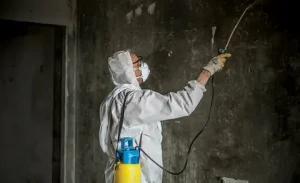
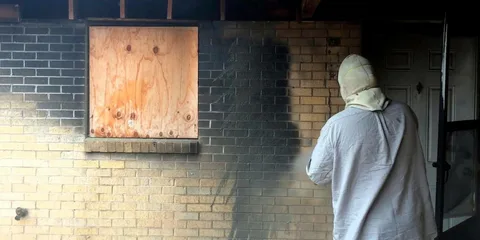
Fire soot cleaning services may involve HEPA-filtered equipment, specialized cleaning products, controlled wiping methods, and detailed treatment of affected surfaces. Major Restorations states that its fire restoration work includes soot removal from walls, ceilings, floors, furnishings, and other areas affected by smoke.
Different materials respond differently to heat and residue. Sealed surfaces may tolerate cleaning that would damage unfinished wood, fabric, or porous materials. Therefore, technicians should evaluate the condition of each surface before choosing a restoration method.
Thorough residue removal also helps prepare the property for later repairs. Drywall replacement, painting, flooring work, and finish carpentry provide better results when remaining soot and contamination have already been addressed rather than covered during reconstruction.
Address Smoke Odors at Their Source
Smoke odor can remain after visible soot has been removed because smoke particles can settle inside porous materials, wall cavities, fabrics, insulation, and ventilation pathways. Air fresheners and scented products may temporarily change the smell, but they do not address the contamination causing the odor.
Effective odor treatment begins with removing damaged materials and cleaning smoke residue. Deodorization can then target remaining particles in areas that ordinary surface cleaning cannot fully reach.
Deodorization Is More Than Masking the Smell
Homeowners seeking advanced smoke odor remediation in Clearwater, FL should expect odor control to be part of a broader smoke-cleanup process rather than a standalone fragrance treatment. Major Restorations’ Clearwater page describes smoke-residue cleanup, odor remediation, HEPA filtration, and other deodorization methods as part of its fire and smoke recovery work.
Depending on the property and contamination, restoration professionals may use filtration, fogging, hydroxyl systems, or other specialized methods after contaminated materials and residues are addressed. The appropriate method depends on the affected surfaces, occupancy conditions, and extent of smoke movement.
A successful result should reduce the source of the odor, not simply make it less noticeable for a short period. That distinction is especially important when smoke has moved through several rooms or entered ventilation pathways.
Evaluate Structural Materials Before Reconstruction
A fire can damage framing, roofing, drywall, ceilings, flooring systems, doors, and other building components. Some damage is easy to see, while other problems may become clear only after burned finishes or debris are removed. Restoration work should therefore distinguish between cosmetic damage and materials that may no longer provide reliable structural performance.
Reconstruction should not begin until unstable or unsalvageable materials have been identified. Repairing finishes before completing this evaluation can create extra work later if concealed damage is discovered.
Structural Recovery Requires More Than Cosmetic Repairs
Structural fire damage repair may include removing compromised materials, rebuilding affected assemblies, replacing drywall or ceilings, repairing flooring, and refinishing restored areas. Major Restorations identifies structural repair and reconstruction as part of its fire restoration process.
An expert fire and smoke restoration services approach should coordinate cleanup and reconstruction rather than treating them as unrelated projects. For example, smoke contamination behind damaged drywall should be addressed before new wall finishes are installed. Likewise, wet materials from firefighting efforts should reach appropriate drying conditions before reconstruction covers them.
This sequencing helps reduce repeated work and gives property owners a clearer progression from emergency stabilization through final repairs.
Manage Firefighting Water and Moisture Alongside Fire Damage
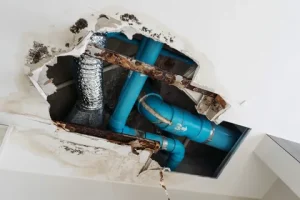
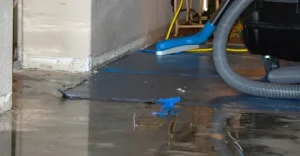
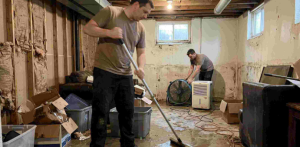
Fire suppression can introduce significant amounts of water into a building. Even when flames affect only part of the property, water may spread across flooring, enter wall cavities, or move into lower levels. This creates a situation where fire, smoke, and water damage need to be addressed together.
Ignoring moisture can delay repairs because wet building materials may not be ready for reconstruction. In addition, standing water and saturated porous materials require different equipment and treatment methods from soot and smoke contamination.
Drying Should Be Coordinated With Fire Cleanup
A complete restoration plan may involve water extraction, moisture detection, air movement, dehumidification, and monitoring while smoke and soot cleanup occurs in other areas. This coordinated process helps technicians understand which materials can remain and which require removal because of combined fire and water exposure.
Property owners using dependable fire damage cleanup in Manatee, FL face the same need for integrated recovery. Major Restorations’ Manatee service page specifically includes fire restoration, smoke cleanup, structural repair, water mitigation, and emergency restoration support.
Treating moisture as part of the fire-recovery process creates a more complete assessment of the building. It also reduces the chance that reconstruction begins while concealed areas still require drying or further inspection.
Plan the Recovery Process From Cleanup Through Reconstruction
Property restoration involves several stages, and homeowners benefit from understanding the order in which those stages occur. Emergency stabilization may come first, followed by assessment, debris removal, soot cleaning, drying, odor treatment, material removal, and reconstruction. The exact order can change depending on property conditions, but each stage should support the next.
Clear documentation is also valuable throughout the process. Photographs, inventories, estimates, inspection notes, and records of completed work can help property owners track progress and communicate with relevant parties.
Organized Restoration Reduces Unnecessary Rework
Emergency fire damage cleanup should focus first on safety and preventing additional property deterioration. Once those immediate concerns are controlled, restoration teams can move toward detailed cleaning and rebuilding.
Homeowners can also benefit from asking several practical questions before major work begins:
- Which materials are considered salvageable?
- Which areas contain smoke or soot contamination?
- Has firefighting water affected hidden building materials?
- What odor-control methods are appropriate for the property?
- Which repairs must occur before finishes are replaced?
- How will progress and changes to the scope be documented?
Major Restorations states that it provides restoration from initial damage assessment through structural repair and property recovery. Understanding this process helps homeowners distinguish urgent cleanup from later reconstruction decisions and gives each stage a clear purpose.
Conclusion
Fire recovery requires more than removing burned debris and repainting damaged rooms. Smoke, soot, odor, moisture, and structural damage can affect different parts of a property in different ways, which means restoration should begin with a careful assessment of the entire affected area. Cleanup methods should then match the type of contamination and the materials involved.
Dependable fire and smoke restoration services should coordinate surface cleaning, odor treatment, moisture management, material removal, and structural repairs as parts of one recovery process. Addressing these issues in the correct order can reduce repeated work and help property owners make better decisions about what can be restored and what requires replacement.
Major Restorations provides fire, smoke, water, and storm restoration throughout Clearwater and other Florida service areas. Its fire-related services include soot cleanup, structural repair, smoke-residue treatment, odor remediation, and reconstruction support.
The goal of restoration is not simply to improve how the property looks after a fire. A complete process should address damaged materials, hidden contamination, indoor conditions, and necessary repairs so the building can move from emergency response toward practical long-term recovery.
FAQ’s
What do fire and smoke restoration services include?
The work may include property assessment, debris removal, soot cleaning, smoke-residue treatment, odor remediation, water removal, drying, damaged-material removal, structural repairs, and reconstruction depending on the extent of the loss.
Can smoke damage affect rooms where there was no fire?
Yes. Smoke and fine particles can travel through doorways, openings, wall cavities, and ventilation pathways. Rooms beyond the original fire area may therefore require inspection and cleaning.
Why can smoke odor remain after soot is cleaned?
Odor-producing particles may penetrate porous materials, insulation, fabrics, wall cavities, and other hidden areas. Effective odor control usually requires source removal, detailed cleaning, and appropriate deodorization methods.
Does firefighting water need separate restoration work?
Often, yes. Water used to extinguish a fire can saturate floors, walls, ceilings, insulation, and framing. Extraction and structural drying may need to occur alongside fire and smoke cleanup.
Can all fire-damaged materials be restored?
No. The decision depends on heat exposure, structural condition, contamination, material type, and the extent of damage. Some materials can be cleaned or repaired, while severely damaged components may require removal and replacement.