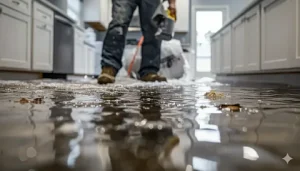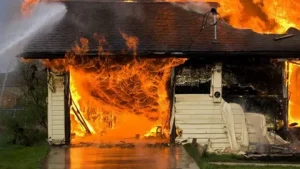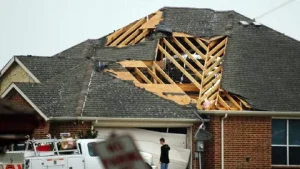
Water damage can affect a home in minutes. A leaking pipe, overflowing appliance, heavy rainstorm, or damaged roof can leave floors, walls, and personal belongings soaked. For homeowners in Pasco, FL, quick action can help limit damage and reduce the risk of costly repairs. Understanding the recovery process also makes it easier to decide what to do first.
Professional water damage restoration involves more than removing standing water. It includes identifying the source, drying affected materials, checking for hidden moisture, and repairing damaged areas. Reliable water damage restoration helps homeowners address these problems in a structured way. However, the right response depends on the water source, the amount of damage, and how long materials remain wet.
Florida’s humid climate can make moisture control especially important. Therefore, homeowners should act promptly after a leak or flood. Major Restoration helps property owners understand the steps involved in recovering from water damage and protecting their homes. With the right approach, homeowners can make informed decisions, avoid common mistakes, and restore affected spaces safely.
Common Causes of Water Damage in Pasco Homes
Water damage can develop from sudden emergencies or small problems that go unnoticed. In Pasco, changing weather conditions, heavy rainfall, and everyday plumbing issues can all affect residential properties. Identifying the source helps determine the appropriate cleanup and repair methods.
How Water Damage Starts
Plumbing failures often cause damage beneath sinks, behind walls, and around water heaters. Meanwhile, damaged roof coverings, clogged gutters, and poorly sealed windows can allow rainwater inside. Appliance hoses and washing machine connections may also leak without warning.
Storm-related flooding presents different challenges. Water may enter through doors, garages, foundation openings, or low-lying areas around a property. Additionally, drainage problems can cause water to collect near the house and enter vulnerable spaces.
Homeowners should watch for warning signs, including musty odors, bubbling paint, warped flooring, and unexplained damp spots. However, these signs may appear after moisture has already spread behind visible surfaces.
Why Early Detection Matters
Finding the source quickly helps prevent additional damage. For example, shutting off a leaking water supply can stop a plumbing problem from affecting nearby rooms. Clearing gutters and checking roof areas after storms can also help homeowners identify potential entry points.
Consider these practical steps:
- Inspect plumbing connections and exposed pipes regularly.
- Check ceilings and walls for new stains or discoloration.
- Keep gutters clear so rainwater drains away from the home.
- Look for standing water around doors and the foundation.
- Arrange professional inspections when leaks remain unexplained.
Although small leaks may appear manageable, moisture can travel into insulation, wood framing, and subflooring. Therefore, homeowners should investigate recurring dampness instead of covering it with paint or flooring.
Why Professional Water Damage Restoration Matters
Water damage often extends beyond the areas homeowners can see. Wet carpets, stained drywall, and swollen cabinets may indicate deeper moisture problems. Professional assessment helps identify affected materials and establish an appropriate recovery plan.
Choosing Reliable Water Damage Restoration Services
Reliable water damage restoration begins with an inspection. Technicians assess the water source, affected rooms, visible damage, and potential safety concerns. They may also use moisture meters or thermal imaging equipment to locate damp areas behind surfaces.
The next step involves removing standing water and beginning the drying process. However, the exact approach depends on the materials involved and the type of water present. Clean water from a supply line may require different precautions than contaminated floodwater.
A professional restoration team should explain the work, expected timeline, and potential repair needs. Homeowners should also ask which materials can be dried and which require removal.
Before choosing a provider, consider these five practical points:
- Ask for a clear explanation of the inspection findings.
- Confirm which drying and monitoring methods the team will use.
- Request a written scope of work and cost estimate.
- Ask how the team handles potentially contaminated materials.
- Keep photographs and records for insurance purposes.
Understanding the Restoration Process
A proper assessment guides each stage of the project. Furthermore, technicians should monitor moisture levels instead of relying only on how surfaces feel. This approach helps confirm whether affected materials have dried sufficiently before repairs begin.
Homeowners should avoid assuming that every wet surface needs replacement. Some materials may recover with suitable drying, while others may lose their strength or become unsafe. A careful assessment supports practical decisions and helps prevent unnecessary work.
Emergency Water Extraction and Flood Damage Cleanup
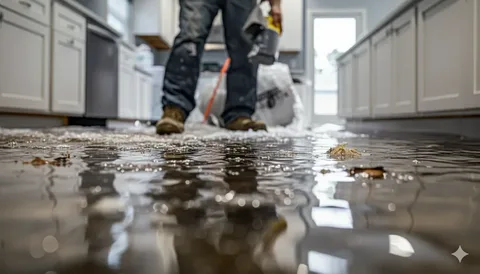
Standing water can damage flooring, furniture, drywall, and household belongings. Therefore, removing water promptly is a major part of the recovery process. The cleanup method depends on the volume of water, the affected materials, and whether contamination presents a risk.
Removing Water and Controlling Moisture
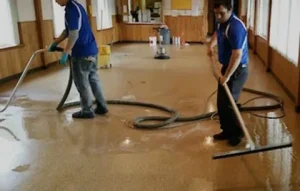
Professional emergency water extraction uses suitable pumps and extraction equipment to remove accumulated water. Technicians then begin drying affected areas with air movers and dehumidifiers. They may also move furniture or remove materials that prevent proper airflow.
Flood damage cleanup service requires additional care when water contains sewage, chemicals, or outdoor contaminants. Homeowners should avoid direct contact with questionable floodwater. Children and pets should remain away from affected spaces until professionals determine that the area is safe.
Here are five useful actions to consider after water enters a home:
- Stay away from rooms with electrical hazards.
- Stop the water supply if the source is a plumbing leak and it is safe to do so.
- Photograph the damage before moving items, when safe.
- Remove dry belongings from affected areas if doing so presents no risk.
- Contact qualified professionals when water covers large areas or may be contaminated.
What Homeowners Should Avoid
Do not use household electrical equipment in standing water. Also, avoid running heating or cooling systems if flooding may have affected their electrical components or ductwork.
Furthermore, opening windows does not always provide enough drying in Florida’s humid weather. Professionals may need controlled dehumidification to remove moisture effectively. Prompt action can reduce damage, but safety should always come first.
Water Mitigation Services and Mold Prevention
Water mitigation focuses on limiting further damage after a leak or flood. It may include water removal, moisture control, temporary protection, and the removal of materials that cannot be restored safely. Effective mitigation also supports later repairs.
How Moisture Leads to Mold Problems
Damp materials can support mold growth when moisture remains for an extended period. Drywall, carpet padding, insulation, and untreated wood may retain water even after visible puddles disappear. Consequently, a room can appear dry while hidden areas remain damp.
Professional water mitigation services in Polk, FL may include moisture mapping, controlled drying, and repeated measurements. Technicians use these findings to decide whether additional drying or material removal is necessary.
Homeowners should not paint over damp drywall or reinstall wet flooring. These shortcuts can trap moisture and make future problems harder to identify. Instead, allow affected materials to dry properly and address the original source of water.
Five practical ways to reduce moisture-related problems include:
- Repair leaks as soon as they appear.
- Maintain indoor humidity at a suitable level.
- Dry wet materials promptly and thoroughly.
- Remove materials that cannot be cleaned or dried safely.
- Arrange an assessment if musty odors or damp spots persist.
When Mold Cleanup Requires Professional Help
Large mold-affected areas, recurring growth, and contamination involving sewage may require specialized assistance. People should also use caution around damaged materials if they have allergies or other sensitivities.
Moreover, mold cleanup should address the moisture source. Removing visible growth without fixing a leak may allow the problem to return. A thorough assessment helps identify both the damage and the conditions that caused it.
Repairing and Restoring Water-Damaged Areas
Once extraction and drying are complete, homeowners can begin evaluating repairs. The amount of work depends on how deeply the water penetrated and whether structural materials remain sound. Some projects require simple cosmetic repairs, while others involve replacing damaged building components.
What Happens After Drying?
Restoration may include replacing drywall, repairing ceilings, installing new flooring, repainting surfaces, or restoring cabinets. However, contractors should confirm that affected areas have dried sufficiently before installing new materials.
A complete recovery plan should consider these five practical points:
- Confirm that moisture readings support moving forward with repairs.
- Inspect damaged drywall, flooring, and wood components.
- Check insulation and concealed spaces when water reaches wall cavities.
- Compare repair estimates and review the proposed materials.
- Keep receipts, photographs, and project documentation together.
Working With Insurance
Homeowners should review their insurance policy to understand applicable coverage, deductibles, exclusions, and reporting requirements. Coverage varies by policy, and flood damage may receive different treatment from sudden plumbing leaks.
Therefore, contact the insurer promptly and ask which documentation is required. Take photographs, retain receipts, and record conversations with the claims representative. Avoid discarding damaged items before documenting them, unless immediate removal is necessary for safety or to prevent further damage.
Major Restoration can help homeowners understand the general restoration process and the work that may follow water removal. Nevertheless, homeowners should confirm the project scope, costs, and responsibilities before authorizing repairs.
Protecting Your Home From Future Water Damage
Preventive maintenance can reduce the likelihood of another water-related emergency. Although homeowners cannot prevent every storm or plumbing failure, they can identify vulnerable areas and address small issues before they become larger problems.
A Practical Home Maintenance Routine
Start by checking plumbing fixtures, appliance connections, and visible pipes. Look beneath sinks and around water heaters for signs of moisture. Additionally, inspect roof coverings, window seals, and exterior drainage after severe weather.
Consider these five preventive habits:
- Replace worn appliance hoses and damaged plumbing connections.
- Clean gutters and downspouts regularly.
- Direct exterior drainage away from the foundation.
- Know where the main water shutoff valve is located.
- Consider leak detectors near appliances and other vulnerable areas.
Prepare for Florida’s Rainy Weather
Pasco homeowners should pay attention to weather alerts and local flood risks. Move important documents and valuables away from areas that have flooded previously. Keep emergency contacts accessible and develop a plan for household members.
If water enters the home, prioritize personal safety over belongings. Avoid flooded electrical areas and follow local emergency instructions. After the immediate danger passes, inspect the property carefully and document any damage.
Regular maintenance, early leak detection, and a clear response plan can make recovery easier. Furthermore, addressing drainage and plumbing issues helps reduce the chance of repeated damage. Prevention cannot eliminate every risk, but it gives homeowners more control over their property’s condition.
Conclusion
Water damage can disrupt everyday life and create unexpected repair costs. However, a clear recovery plan helps homeowners make better decisions after a leak, storm, or plumbing failure. Identifying the source, removing standing water, drying affected materials, and checking for hidden moisture are essential steps toward a safe recovery.
Homeowners should avoid rushing into cosmetic repairs before confirming that affected areas have dried properly. Instead, document the damage, review insurance requirements, and seek qualified assistance when the water covers a large area or may contain contaminants. Professional assessments can also help determine which materials can be restored and which need replacement.
For homeowners dealing with a serious water emergency, reliable guidance and timely action can make a meaningful difference. In Pasco, FL, and nearby communities, knowing when to seek professional help can reduce uncertainty and support a more organized restoration process.
When flooding or a major leak occurs, reliable flood damage cleanup in Pasco, FL can help address standing water, affected materials, and moisture concerns. Homeowners should also maintain plumbing, gutters, roofs, and drainage systems to lower future risks.
Ultimately, prevention and a careful response work together. By staying alert to warning signs and addressing problems promptly, homeowners can protect their living spaces and make informed choices throughout the recovery process.
FAQs
What should I do first when my home floods?
Keep everyone away from unsafe areas, avoid standing water near electrical equipment, and stop the water source if it is safe. Contact emergency services if anyone faces immediate danger.
How quickly should water damage be addressed?
Act as soon as possible. Prompt water removal and drying can limit further damage, although the appropriate timeline depends on the water source and affected materials.
Can wet drywall and flooring be saved?
Sometimes. The decision depends on the material, contamination level, extent of saturation, and drying conditions. A professional assessment can help determine whether restoration or replacement is appropriate.
Does homeowners insurance cover water damage?
Coverage depends on the policy and the cause of the damage. Sudden plumbing leaks may receive different treatment from flooding caused by rising external water. Review your policy and contact your insurer.
How can I reduce the risk of future water damage?
Inspect plumbing connections, maintain gutters, repair roof leaks, monitor indoor humidity, and consider leak detectors near appliances. Address small leaks promptly to prevent larger problems.