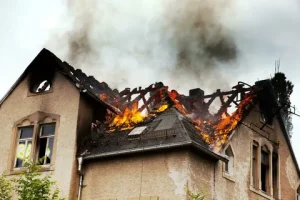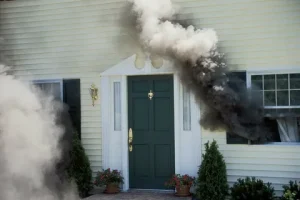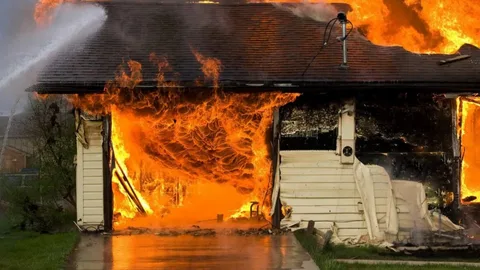
When residential properties suffer thermal incidents, finding reliable recovery specialists remains the most critical step. Smoke particles and acidic soot penetrate porous building materials quickly, causing ongoing structural corrosion if left untreated. Therefore, hiring licensed technicians protects your property and prevents permanent surface discoloration. If you want a thorough property recovery, partnering with Major Restoration provides absolute confidence and expert execution. Additionally, scheduling a reliable Fire damage restoration service removes dangerous toxins and increases the indoor air quality of modern households.
Furthermore, experienced mitigation crews manage every phase, including structural stabilization, soot extraction, thermal fogging, and odor neutralization. Clear communication keeps projects on schedule while preventing costly material degradation. Consequently, working with skilled professionals turns smoke-damaged rooms into clean, safe living environments that withstand daily occupancy. Homeowners throughout the Gulf Coast region often seek dependable craftsmanship that balances structural safety with aesthetic recovery.
Moreover, professional technicians streamline insurance claims, source industrial air scrubbers, and handle local sanitation protocols efficiently. As a result, you save valuable time, eliminate lingering chemical hazards, and achieve superior air purity. Understanding what to expect from your restoration team ensures a smooth recovery journey.
For specialized property recovery across the Gulf Coast, explore our complete fire damage restoration services.
Assessing Smoke and Soot Penetration Across Building Surfaces
Thermal events leave behind complex chemical residues that require specialized cleaning agents. Untreated soot settles deep into drywall, subfloors, and HVAC ductwork within hours.
Evaluating Chemical Residues and Porous Material Contamination
Smoke behavior varies depending on whether synthetic or natural materials fueled the fire. Therefore, technicians test surface pH levels to determine the correct chemical cleaning agents required. Licensed contractors inspect insulation, framing studs, and ceiling cavities for hidden soot deposits. Consequently, accurate assessments prevent chronic odor problems and premature material decay.
Furthermore, proper containment planning establishes a safe baseline that prevents cross-contamination into unaffected rooms. Detailed structural audits protect your property from lingering chemical damage.
- Soot Testing: Analyze chemical residue pH levels to select proper cleaning solvents.
- Cavity Inspection: Check wall and ceiling voids for hidden smoke accumulation.
- HVAC Assessment: Inspect duct networks for circulating soot particles.
- Material Classification: Categorize porous versus non-porous damaged surfaces.
- Containment Setup: Erect heavy-duty plastic barriers to isolate work zones.
Neutralizing Persistent Odors and Toxic Air Pollutants
Lingering smoke smells contain volatile organic compounds that cause respiratory irritation. Standard household cleaners fail to neutralize these deeply embedded airborne molecules.
Deploying Thermal Foggers and Hydroxyl Generators
Advanced odor mitigation requires specialized equipment like ozone machines, thermal foggers, and hydroxyl generators. Therefore, restoration specialists circulate odor-neutralizing compounds through every affected room and ventilation shaft. Eliminating these microscopic particles restores fresh indoor air quality completely.
Moreover, integrating expert Fire damage restoration techniques ensures your home complies with strict indoor environmental standards. Professional oversight guarantees complete odor removal.
- Air Scrubbing: Deploy HEPA filtration units to capture floating soot.
- Thermal Fogging: Penetrate porous structural framing with neutralizing vapor.
- Hydroxyl Treatment: Break down organic smoke molecules safely indoors.
- Surface Wiping: Clean walls with specialized dry-cleaning sponges.
- Odor Verification: Test air purity levels after completing sanitation cycles.
Cleaning and Restoring Salvageable Personal Property
Personal belongings often suffer severe smoke staining and water exposure during firefighting efforts. Professional restoration facilities utilize ultrasonic cleaning and specialized immersion baths to salvage cherished items.
Managing Content Inventory, Packing, and Ultrasonic Cleaning
Contents must be cataloged, packed out, and transported to a secure facility for specialized cleaning. Therefore, restoration technicians sort salvageable textiles, electronics, and furniture immediately. Utilizing best Fire damage restoration protocols ensures personal items receive careful, restorative treatment.
Additionally, coordinating content recovery guarantees that sentimental and high-value possessions are saved from total loss. Professional crews handle inventory tracking and delicate handling seamlessly.
- Item Cataloging: Document all damaged personal property for insurance records.
- Pack-Out Services: Transport salvageable contents to a secure cleaning facility.
- Ultrasonic Baths: Clean delicate items using high-frequency sound waves.
- Textile Laundering: Remove smoke odors from clothing and drapery fabrics.
- Secure Storage: Keep restored belongings safe until property repairs finish.
Repairing Structural Elements and Water Damage
Fire suppression efforts frequently leave behind standing water and compromised framing supports. Addressing moisture quickly prevents secondary mold growth and structural failure.
Extracting Standing Water and Rebuilding Compromised Framing
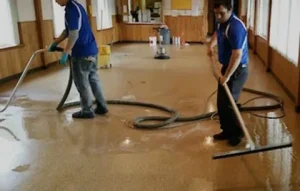
Excess water from fire hoses must be extracted immediately using heavy-duty pumps and commercial dehumidifiers. Applying expert emergency fire damage cleanup techniques ensures rapid structural drying.
As a result, your property avoids secondary water damage and microbial growth. Skilled technicians reinforce weakened load-bearing walls and replace charred framing elements safely.
- Water Extraction: Remove standing water from floors and subfloor cavities.
- Dehumidifier Placement: Deploy industrial air movers to dry framing studs.
- Structural Shoring: Brace weakened roof trusses and burned wall studs.
- Drywall Removal: Cut away water-logged and smoke-damaged drywall sections.
- Moisture Testing: Verify complete structural dryness using pin meters.
Managing HVAC System Remediation and Duct Cleaning
Heating and air conditioning systems often draw in heavy smoke during a fire, distributing soot throughout the entire house. Operating the system without cleaning recontaminates cleared spaces.
Scrubbing Duct Networks and Replacing Air Filters
Forced-air ventilation networks require professional agitation cleaning and chemical fogging to remove trapped soot. Therefore, certified trade specialists vacuum interior duct walls and sanitize evaporator coils. Moreover, incorporating reliable fire and smoke restoration services ensures clean airflow across every room.
Furthermore, professional oversight prevents lingering dust and soot from circulating through your newly cleaned home. Proper HVAC restoration secures complete indoor air purity.
- Duct Vacuuming: Use negative-air machines to scour interior duct walls.
- Coil Sanitizing: Clean air conditioning evaporator and condenser coils.
- Filter Replacement: Install high-efficiency particulate air filters.
- Register Cleaning: Wipe down all supply and return vent covers.
- System Testing: Run HVAC blower checks to verify clean airflow.
Final Quality Inspections and Cosmetic Restoration
The final phase transforms a remediated job site into a pristine, move-in-ready home. Comprehensive finishing ensures every surface meets strict safety and aesthetic standards.
Finalizing Finish Carpentry, Painting, and Final Clearance
Before project sign-off, restoration crews apply odor-sealing primers and fresh finish paint to walls and ceilings. During this stage, technicians inspect structural repairs and verify smoke-free air clearance. Furthermore, detail-oriented teams handle final workspace cleanup and debris disposal completely.
Consequently, homeowners receive a safe, beautiful living space ready for daily life. Open communication during final walkthroughs guarantees complete client satisfaction.
- Primer Application: Seal interior walls with oil-based odor-blocking primer.
- Finish Painting: Apply fresh coats of paint to restored rooms.
- Trim Replacement: Install new baseboards and door casings where needed.
- Final Inspection: Verify complete structural and environmental clearance.
- Workspace Cleanup: Remove all restoration equipment and leave areas spotless.
Conclusion
Recovering a residential property after a thermal incident requires immediate action, specialized equipment, and expert technical execution. From neutralizing microscopic soot particles to extracting suppression water, working with licensed professionals guarantees dependable property restoration. Furthermore, incorporating reliable smoke damage removal solutions ensures your household eliminates toxic residues and regains pristine air quality. Homeowners looking for exceptional recovery standards across the Gulf Coast can rely on experienced craftspeople for every phase of their project. Whether you need structural shoring, content cleaning, or complete HVAC sanitation, professional restoration teams ensure every detail complies with strict industry safety codes. If you need expert fire and smoke restoration services in Clearwater, FL, selecting trusted contractors guarantees your investment delivers lasting safety, structural integrity, and total peace of mind. For regional assistance throughout the surrounding county, explore our specialized fire damage restoration in Pinellas, FL.
Frequently Asked Questions
Can smoke odor be completely removed from a fire-damaged home?
Yes, professional restoration technicians use advanced thermal foggers, hydroxyl generators, and HEPA air scrubbers to eliminate deep-seated smoke odors permanently.
Is soot and ash hazardous to human health?
Soot and ash contain toxic chemicals, heavy metals, and carcinogenic particles that irritate skin and lungs, requiring professional protective gear during cleanup.
How soon should fire damage restoration begin after an incident?
Restoration should begin within twenty-four to forty-eight hours to prevent acidic soot from permanently etching metals, glass, and porous building materials.
Can personal electronics exposed to smoke be salvaged?
Many electronics can be safely cleaned and restored using specialized ultrasonic baths and electronic decontamination sprays if treated quickly.
Why is hiring a certified restoration company essential?
Certified specialists carry proper insurance, follow strict environmental safety guidelines, use industrial-grade equipment, and ensure complete structural and health clearance.