Learn how fire damage restoration in Pinellas, FL helps address smoke, soot, water, and structural damage while planning safe recovery for your property.
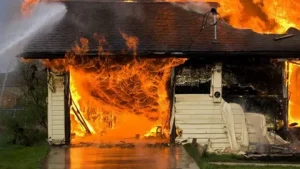
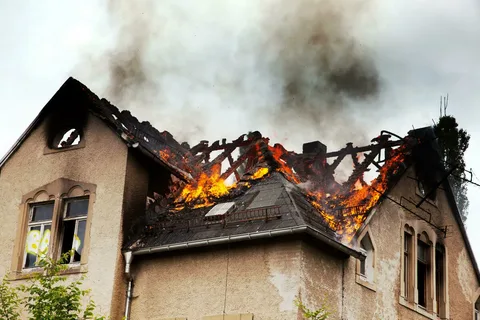
A fire can damage much more than the areas touched by flames. Smoke, soot, heat, and water used during firefighting can affect walls, flooring, ceilings, furniture, electrical components, and personal belongings. Major Restoration provides information about the steps involved in fire damage restoration in Pinellas, FL, helping property owners understand what to consider after a fire.
The first few decisions matter. Property owners need to confirm that the building is safe to enter, document visible damage, protect belongings when possible, and determine which areas require professional assessment. Acting carefully can prevent additional damage and make the recovery process more organized.
Fire restoration does not always mean rebuilding an entire property. Some materials and belongings may remain usable, while others may require cleaning, repair, or replacement.
Understanding Fire Damage Restoration in Pinellas, FL
Fire damage restoration in Pinellas, FL generally involves several stages rather than one simple cleanup task. The first stage focuses on safety and damage assessment. Fire can weaken structural components, damage electrical systems, and create hazards that may not be visible from the outside.
Once the property is considered safe for appropriate access, the damage can be documented. Photographs and written records can help establish what happened and which areas need attention.
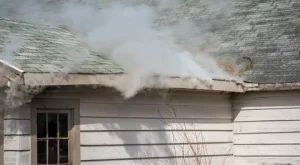
Smoke and soot require careful evaluation. Even rooms that escaped direct flames can develop odors, residue, and surface damage. Smoke can travel through openings and ventilation systems, affecting areas far from the original fire.
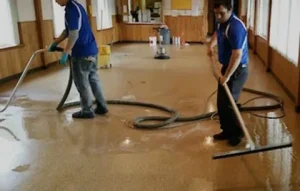
Water damage can create another concern. Firefighters often use significant amounts of water to control a fire, and that water can soak drywall, flooring, insulation, cabinets, and other materials. Moisture that remains untreated can lead to additional property problems.
Assessing Smoke, Soot, and Water Damage
Visible fire damage often receives the most attention, but smoke and soot can create extensive secondary damage. Soot may settle on walls, ceilings, fixtures, furniture, and other surfaces.
Different materials respond differently to smoke exposure. Porous materials can absorb odors and residue, while smooth surfaces may allow easier cleaning. The type of smoke, duration of exposure, and material involved can all affect the appropriate cleaning approach.
Water requires similar attention. Wet flooring, drywall, insulation, and other materials should be evaluated based on their condition and the extent of moisture exposure.
Property owners should avoid assuming that everything that looks damaged needs replacement. Some items may be restored through appropriate cleaning or specialized treatment. At the same time, damaged materials should not remain in place simply because they appear salvageable.
A proper assessment helps separate items that can be cleaned or repaired from those that require replacement.
Emergency Fire Damage Cleanup in Pasco, FL
Homeowners researching emergency fire damage cleanup in Pasco, FL should first focus on safety and preventing additional property damage.
Do not enter areas that officials have identified as unsafe. Avoid touching damaged electrical equipment, exposed wiring, weakened structures, or other potentially hazardous components.
Once access is appropriate, photographs can provide a useful record of the property’s condition. Capture individual rooms, structural damage, damaged belongings, smoke residue, water exposure, and other visible problems.
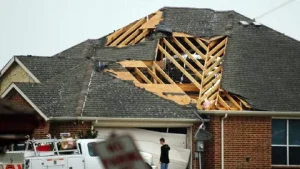
Temporary protection may also be necessary. Broken windows, damaged doors, roof openings, or other exposed areas can allow weather to create additional damage.
Personal belongings require careful handling as well. Some items may need specialized cleaning, while others may deteriorate if they remain exposed to moisture or smoke residue.
The cleanup process should address the different types of damage rather than treating every affected surface in the same way.
Fire Damage Repair Company in Pasco, FL
When comparing a fire damage repair company in Pasco, FL, property owners should understand the difference between cleaning, repair, and reconstruction.
Cleaning may address smoke residue, soot, odors, and certain damaged belongings. Repair can involve replacing damaged drywall, flooring, cabinets, roofing materials, electrical components, or other parts of the building.
Reconstruction involves larger structural work when fire damage affects major portions of the property. The appropriate level of work depends on the extent of the damage and the condition of the building after the fire.
Insurance documentation can also become an important part of the process. Keep photographs, receipts, estimates, reports, and records of damaged belongings in an organized location.
Clear documentation can help property owners communicate the scope of the loss to the appropriate parties.
Common Fire Restoration Mistakes
One common mistake is starting major cleanup before documenting the damage. Property owners should photograph affected areas and damaged belongings whenever it is safe to do so.
Another mistake is assuming that only burned areas need attention. Smoke, soot, and water can affect rooms that appear relatively untouched.
Using ordinary household cleaning products on soot-covered surfaces can also cause problems. Different materials may require specific cleaning methods, and aggressive scrubbing can sometimes spread residue or damage finishes.
Property owners may also overlook moisture. Water from firefighting can remain beneath flooring, inside walls, or in other concealed areas.
Delaying attention to moisture can create additional problems, so affected areas should receive appropriate evaluation.
Best Practices After a Fire
Start with safety. Follow instructions from fire officials and avoid entering areas that remain unsafe.
Once access is permitted, document the property thoroughly. Take photographs and keep written notes about visible damage.
Separate immediate needs from long-term restoration decisions. Temporary housing, clothing, medication, food, and important documents may require attention before major rebuilding decisions.
Keep damaged belongings organized when possible, but do not handle materials that could present a safety hazard.
Maintain a file containing insurance information, photographs, receipts, estimates, contact details, and other recovery records.
Most importantly, avoid rushing into permanent repairs before the full scope of fire, smoke, and water damage becomes clear.
Actionable Steps for Property Owners
After a fire, create a simple recovery checklist. Start with safety and temporary living arrangements, then move to documentation, property protection, assessment, cleaning, repair, and reconstruction.
Make a room-by-room record of affected areas. Note visible fire damage as well as smoke residue, odors, and water exposure.
Identify important belongings that may need specialized cleaning or restoration. Documents, electronics, furniture, clothing, and other personal items may require different handling.
Keep communication organized. Record conversations, appointments, estimates, and other important recovery information.
Review the property’s condition before deciding which materials should be repaired and which should be replaced.
Conclusion
Fire damage restoration in Pinellas, FL involves more than removing burned materials. Smoke, soot, heat, and firefighting water can create additional damage throughout a property, making careful assessment an important part of the recovery process.
For property owners in Pinellas, FL and Pasco, FL, understanding emergency fire damage cleanup in Pasco, FL and working with a qualified fire damage repair company in Pasco, FL can help clarify the steps involved. Major Restoration focuses on the practical stages of fire recovery, from initial assessment and cleanup to repairs and larger reconstruction needs.
FAQ
What should I do immediately after a fire?
Prioritize safety and follow instructions from fire officials. Once the property is safe to access, document the damage and protect exposed areas from additional weather or moisture damage when appropriate.
Does smoke damage require professional cleaning?
It depends on the material, level of exposure, and type of residue. Some surfaces may require specialized cleaning because smoke and soot can penetrate porous materials and leave persistent odors.
Can water damage occur after a fire?
Yes. Water used to extinguish a fire can affect flooring, drywall, insulation, cabinets, furniture, and other materials. The extent of moisture exposure should be assessed as part of the restoration process.
Should I throw away damaged belongings?
Avoid discarding items before documenting them when possible. Some belongings may be recoverable through appropriate cleaning or restoration, while others may require replacement.
How long does fire damage restoration take?
The timeline varies based on the severity of the fire, smoke and water exposure, structural condition, property size, material damage, cleaning requirements, repairs, and reconstruction needs.