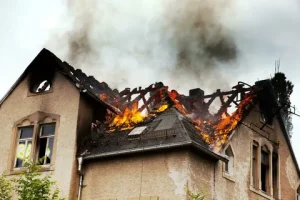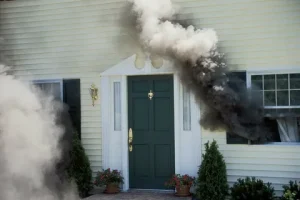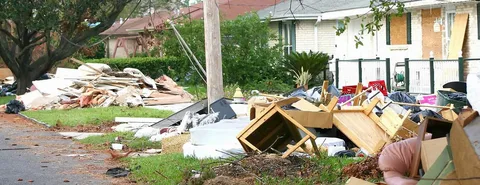
Severe storms can leave homes and businesses dealing with wind damage, roof problems, fallen debris, water intrusion, and damaged structural areas. Even when the visible damage appears limited, moisture and weakened materials can create additional problems if affected areas are not addressed promptly.
Major Restorations provides restoration services for properties affected by storms and other unexpected damage. The company states that its storm restoration work includes wind damage repair, hurricane restoration, roof tarping, debris cleanup, and structural recovery.
Storm Damage Restoration focuses on stabilizing affected areas, addressing visible damage, removing debris, and helping return the property to a usable condition. A proper response starts with understanding the extent of the damage rather than focusing only on the most obvious areas.
Why Storm Damage Restoration Matters After Severe Weather
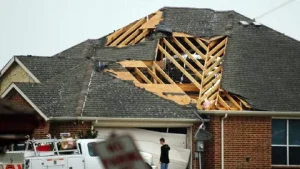
Storm damage can affect several parts of a property at the same time. Strong winds may damage roofing or exterior materials, while rain can enter through openings and affect walls, ceilings, flooring, and other areas.
Storm Damage Restoration can help address:
- Wind-related property damage
- Roof and exterior damage
- Storm debris
- Water intrusion
- Damaged structural areas
- Immediate property stabilization
Acting quickly can help limit the effects of exposed or damaged areas and make the recovery process more organized.
Managing Storm Damage in Pasco
Properties in Pasco, FL can experience severe weather that affects roofing, exterior surfaces, drainage areas, and interior spaces. Once a storm passes, identifying the affected areas is an important part of determining what needs to happen next.
Storm recovery solutions in Pasco, FL can help property owners address visible damage while evaluating areas that may require additional restoration attention.
Assessing the Property After a Storm
A storm-damaged property should be evaluated carefully rather than relying only on what is visible from the ground.
Areas that may require attention include:
- Roofing materials
- Exterior walls
- Windows and doors
- Interior ceilings
- Flooring
- Structural components
A detailed assessment can help identify damage that may otherwise be overlooked.
Protecting Exposed Areas
Storm damage can leave portions of a property exposed to additional weather. Openings in roofs, walls, windows, or doors can allow water to enter the building.
Temporary protective measures may help reduce further exposure while permanent restoration work is planned.
Understanding the Storm Damage Restoration Process
Every storm event can produce different types and levels of property damage. A structured restoration process helps organize the response.
The process may include:
- Inspecting the affected property
- Identifying visible and potential damage
- Securing exposed areas
- Removing storm debris
- Addressing water intrusion where present
- Completing necessary restoration work
- Reviewing the restored areas
Why Proper Storm Damage Restoration Matters
Proper Storm Damage Restoration requires attention to both immediate damage and secondary problems that may develop afterward. Water entering through storm-damaged areas, for example, can affect building materials if it is not addressed.
The website states that its storm restoration services include wind damage repair, hurricane restoration, roof tarping, debris cleanup, and complete structural recovery.
Major Restorations approaches storm recovery with restoration services intended to address affected residential and commercial properties.
Supporting Storm Recovery in Sarasota
Storms can affect properties in Sarasota, FL through wind, heavy rain, debris, and damage to exterior building components. After severe weather, property owners may need to address several issues before normal use can resume.
Storm recovery and restoration in Sarasota, FL can help homeowners and businesses organize the repair and recovery process after significant weather events.
Addressing Wind and Debris Damage
Strong winds can move or damage exterior materials and leave debris throughout a property.
Common post-storm concerns include:
- Damaged roofing
- Fallen branches
- Broken exterior materials
- Damaged windows
- Blocked property access
Removing debris and securing damaged areas can help create safer conditions for the next stages of restoration.
Checking for Water Intrusion
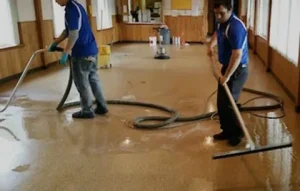
Storm damage and water damage can occur together. Rain may enter through damaged roofing, broken windows, or other openings.
Signs of possible water intrusion include:
- Ceiling discoloration
- Damp flooring
- Wet walls
- Musty odors
- Visible moisture
Identifying these problems early can help property owners address affected materials before the damage spreads.
Common Storm Damage Restoration Mistakes to Avoid
Storm damage can create pressure to begin repairs immediately, but rushing the process may cause important details to be missed.
Common mistakes include:
- Focusing only on visible damage
- Delaying protection of exposed areas
- Ignoring signs of water intrusion
- Removing potentially important damage documentation
- Attempting unsafe repairs
- Failing to evaluate secondary damage
A systematic recovery process helps property owners understand the full scope of the storm’s impact.
Choosing the Right Restoration Provider
Selecting a restoration provider involves more than finding someone who can perform basic repairs. Storm recovery may involve several different types of property damage.
Property owners should consider:
- Experience with storm-related damage
- Ability to address multiple affected areas
- Emergency response capabilities
- Debris cleanup procedures
- Structural restoration experience
- Clear communication throughout the project
The website identifies storm restoration as part of its broader fire, water, smoke, and storm restoration services for residential and commercial properties.
Conclusion
Severe weather can affect a property in several ways, from damaged roofing and exterior materials to debris and water intrusion. Addressing these problems systematically can help protect the property and organize the path toward recovery.
Choosing Reliable Storm Damage Restoration Service can help property owners address storm-related damage, stabilize affected areas, and move toward restoring their homes or businesses.
Major Restorations provides storm recovery services that include wind damage repair, hurricane restoration, roof tarping, debris cleanup, and structural recovery. majorrestorations.co
FAQs
What does Storm Damage Restoration include?
Storm Damage Restoration can include assessing storm damage, securing exposed areas, repairing wind damage, removing debris, and restoring affected property areas.
What should I do immediately after storm damage?
Focus on safety first, document visible damage when it is safe to do so, and address exposed areas that could experience additional weather damage.
Can storms cause hidden property damage?
Yes. Water can enter through damaged roofs, windows, and exterior openings and affect areas that are not immediately visible.
Does storm damage always involve roof damage?
No. Storms can also affect windows, doors, exterior materials, landscaping, structural components, and interior areas.
Why should storm damage be assessed quickly?
A timely assessment can help identify visible and less obvious damage and determine which areas need immediate protection or restoration.