Learn how smoke damage removal helps restore homes after fire events, including odor control, cleanup steps, and smoke remediation options in Polk, FL.
Smoke damage can affect a property even when the fire itself was limited to one area. Smoke particles travel through air systems, settle on surfaces, and leave behind odors that may continue long after flames are gone.
For homeowners in Polk and Pinellas, FL, understanding smoke damage removal is an important part of recovering after a fire. Proper cleanup requires more than wiping visible residue because smoke can impact walls, furniture, fabrics, and hidden areas throughout a property.
Major Restoration helps property owners understand the restoration process after smoke exposure. A careful approach can identify affected areas, remove contamination, and address lingering odors caused by smoke.
Why Smoke Damage Requires Professional Attention
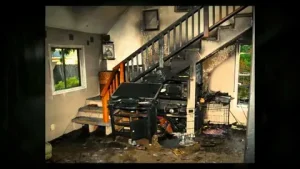
Smoke creates different types of damage depending on the materials burned, the length of exposure, and how smoke moved through the property.
Smoke damage may include:
- Dark residue on walls and ceilings
- Strong odors in rooms and belongings
- Discoloration of surfaces
- Damaged fabrics and furniture
- Corrosion on certain materials
- Poor indoor air quality
- Contamination in HVAC systems
A home may appear clean while still containing smoke particles in areas that are difficult to see.
Understanding the Smoke Damage Removal Process
How Smoke Damage Removal Works
Smoke damage removal in Polk, FL involves identifying affected areas and using appropriate cleaning methods for different materials.
The process commonly includes:
- Inspecting the property for smoke impact.
- Identifying affected materials.
- Removing items that cannot be restored.
- Cleaning surfaces affected by soot.
- Addressing smoke odors.
- Improving air quality.
- Restoring damaged areas.
The exact steps depend on the severity of the smoke exposure and the condition of the property.
Types of Smoke Damage
Not all smoke damage looks or behaves the same. Different fires create different residues, which can require different restoration methods.
Common smoke types include:
| Smoke Type | Characteristics | Common Challenges |
| Dry smoke | Fine particles from high-temperature fires | Can spread easily across surfaces |
| Wet smoke | Sticky residue from slower-burning materials | Difficult to clean |
| Protein smoke | Strong odors from cooking-related fires | Can discolor surfaces |
| Fuel smoke | Heavy residue from petroleum-based materials | Requires specialized cleaning |
Identifying the type of smoke helps determine the right restoration approach.
Smoke Odor Remediation and Long-Term Odor Control
Smoke odors often remain because particles become trapped in porous materials such as carpets, upholstery, insulation, and drywall.
The Role of Smoke Odor Remediation
Smoke odor remediation in Pinellas, FL focuses on removing odor sources instead of covering them with temporary fragrances.
Effective odor control may involve:
- Cleaning affected surfaces
- Removing damaged materials
- Treating porous items
- Improving ventilation
- Evaluating HVAC systems
- Using specialized odor treatment methods
The correct approach depends on where smoke particles have settled.
Smoke and Odor Control Services
Professional smoke and odor control services help address the challenges that remain after visible smoke residue is removed.
These services may focus on:
- Identifying odor sources
- Cleaning contaminated areas
- Reducing persistent smells
- Protecting unaffected areas
- Restoring comfortable indoor conditions
Smoke odor can travel throughout a property, so focusing only on the room where the fire started may not solve the entire problem.
Common Mistakes After Smoke Damage
Many homeowners want to begin cleaning immediately after a fire. However, some actions can make restoration more difficult.
Common mistakes include:
- Using incorrect cleaning products
- Painting over smoke stains
- Ignoring HVAC contamination
- Throwing away items before documentation
- Covering odors instead of removing the source
- Delaying cleanup for too long
- Cleaning delicate materials without proper methods
A proper assessment helps determine which items can be restored and which require replacement.
Best Practices After Smoke Exposure
Taking the right steps after smoke damage can help protect the property and belongings.
Recommended actions include:
- Wait until the property is safe to enter
- Document affected areas with photos
- Contact your insurance provider
- Avoid disturbing heavy soot deposits
- Keep records of damaged belongings
- Separate salvageable items when possible
- Address smoke odors early
Early action can reduce the chance of odors and residue becoming more difficult to remove.
Smoke Damage Removal vs. Regular Cleaning
Regular household cleaning methods may not address smoke contamination because smoke particles behave differently from normal dirt.
| Cleaning Method | Handles Smoke Residue? | Best Use |
| Household cleaning | Limited | Light surface cleaning |
| Deep cleaning | Sometimes | Minor smoke exposure |
| Professional restoration | Yes | Significant smoke damage |
Smoke restoration requires evaluating the source and extent of contamination.
Protecting Belongings After Smoke Damage
Some belongings exposed to smoke may be restored depending on the material and level of damage.
Items that may require evaluation include:
- Clothing
- Furniture
- Curtains
- Documents
- Electronics
- Decorative items
Before discarding damaged belongings, homeowners should document their condition for insurance and restoration planning.
HVAC Systems and Smoke Contamination
Heating and cooling systems can spread smoke particles throughout a property. If smoke enters ductwork, simply cleaning visible surfaces may not address the entire issue.
Homeowners should consider having HVAC components evaluated after significant smoke exposure.
Potential concerns include:
- Smoke particles inside ducts
- Odors spreading through vents
- Contaminated filters
- Reduced indoor air quality
A complete assessment helps determine whether HVAC cleaning or additional treatment is needed.
Actionable Tips for Polk and Pinellas Homeowners
After experiencing smoke damage:
- Avoid entering unsafe areas.
- Photograph damage when possible.
- Do not clean heavy soot without guidance.
- Contact your insurance provider.
- Create a list of affected belongings.
- Check for smoke odors in multiple rooms.
- Have hidden areas evaluated.
- Address smoke damage as soon as possible.
These steps help homeowners create a more organized recovery plan.
Conclusion
Smoke and odor control services are an important step in restoring a property after a fire or smoke event. Smoke can affect surfaces, belongings, air systems, and indoor comfort long after visible damage appears.
For homeowners in Polk and Pinellas, FL, Major Restoration provides smoke damage restoration support focused on proper assessment, cleaning, odor control, and recovery planning. Addressing smoke residue early and using the right restoration methods can help protect the property and improve the recovery process.
FAQs
1. What does smoke damage removal include?
Smoke damage removal includes assessing affected areas, cleaning soot and residue, removing damaged materials, treating odors, and restoring impacted parts of the property.
2. Why does smoke odor remain after cleaning?
Smoke odors can remain because particles absorb into porous materials such as fabrics, carpets, insulation, and drywall.
3. Can I remove smoke damage myself?
Minor surface cleaning may be possible, but significant smoke damage often requires specialized methods to remove residue and odors properly.
4. How long does smoke odor remediation take?
The timeline depends on the size of the affected area, materials involved, and the level of smoke contamination.
5. Does smoke damage affect HVAC systems?
Yes. Smoke particles can enter HVAC systems and spread odors or contamination throughout a property, making evaluation important after major smoke exposure.