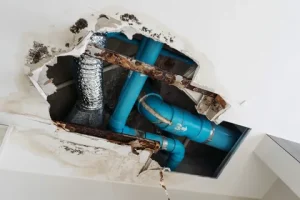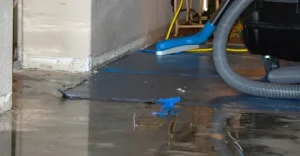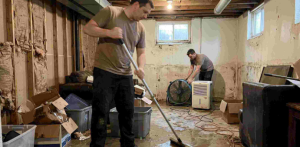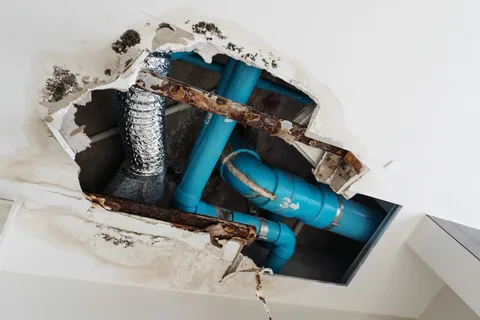
A leaking pipe, roof opening, appliance line, or plumbing fixture can release water into areas that are difficult to see. Even a small leak may spread into drywall, flooring, insulation, cabinets, or framing before obvious damage appears. For homeowners dealing with these problems, reliable water leak damage repair in Clearwater, FL should focus on finding the affected areas, controlling moisture, drying materials, and repairing damage in the correct order.
Major Restorations provides water damage restoration for properties affected by leaks, flooding, burst pipes, ceiling leaks, and other water-related problems. Property owners in Clearwater and Pinellas can benefit from acting early because water often moves beyond the area where the first stain or puddle appears.
A strong recovery plan should address both the source and the resulting moisture. Drying the visible floor while wet materials remain behind walls may leave part of the problem unresolved. Therefore, homeowners should look for changes in surfaces, odors, paint, flooring, and indoor moisture after a leak. Careful assessment helps determine what can be dried, what may need removal, and which areas require repair.
Find the Full Extent of Water Damage
Water rarely stays exactly where a leak begins. It can travel along framing, collect beneath flooring, move through ceilings, or soak into porous materials.
For this reason, the visible stain should be treated as a clue rather than a complete picture of the damage.
Look for Moisture Beyond the Leak Source
A ceiling spot may come from a plumbing line above it, roof intrusion, or another source nearby. Likewise, water around an appliance can move underneath cabinets before reaching an open floor area.
Homeowners should look for:
- Discolored drywall or ceilings
- Swollen trim or cabinetry
- Soft flooring
- Peeling paint
- Damp or musty odors
Ceiling water leak restoration may require more than repairing the visible surface. The source should be controlled, and affected materials should be evaluated before new paint or drywall covers the area.
A careful inspection gives homeowners a better understanding of how far moisture traveled and which parts of the property need attention.
Respond Quickly to Leaks in Clearwater Homes
Water can continue moving through porous materials even after the active leak stops. Early action can help limit how much of the property becomes affected.
For local homeowners, emergency water extraction in Clearwater, FL may become necessary when leaks leave standing water or heavily saturated materials.
Remove Water Before Beginning Repairs
The first goal should be stopping the source when it can be done safely. Then accessible water can be removed before structural drying begins.
Homeowners should:
- Shut off the water supply when appropriate.
- Keep away from water near electrical equipment.
- Move unaffected belongings from wet areas.
- Document visible damage.
- Arrange evaluation when moisture has spread.
A burst pipe or appliance failure can release a significant amount of water in a short period. In these situations, burst pipe water cleanup should include attention to areas beyond the immediate puddle.
Clearwater homeowners should avoid installing new flooring, drywall, or finishes until wet areas have been properly addressed.
Dry Materials Before Rebuilding Damaged Areas
Removing standing water is only the beginning of water restoration. Walls, subfloors, framing, and insulation may remain wet after the surface appears dry.
Professional water leak damage repair should therefore include moisture evaluation and controlled drying before reconstruction moves forward.
Structural Drying Goes Beyond Surface Moisture
Structural drying services focus on moisture that has entered building materials and concealed spaces. The drying approach depends on the amount of water, affected materials, airflow, and indoor humidity.
Five important considerations include:
- How long materials remained wet
- Depth of water penetration
- Condition of drywall and insulation
- Moisture beneath flooring
- Progress during the drying process
Drying equipment may help reduce moisture, but its placement should follow actual conditions rather than guesswork.
Major Restorations handles water restoration that includes extraction, moisture detection, drying, and repair of affected property materials. A measured approach helps reduce the risk of rebuilding over areas that still contain excess moisture.
Decide Which Wet Materials Can Be Saved
Water exposure does not mean every material automatically needs replacement. Some materials may dry successfully, while others can lose their shape, strength, or cleanliness after prolonged saturation.
Expert water leak damage repair should base removal decisions on material condition and the type of water involved.
Evaluate Each Material Separately
Drywall, insulation, flooring, cabinetry, wood, and trim react differently to water.
Homeowners should consider:
- How heavily the material was saturated
- Whether contamination is present
- Whether the material has swollen or deteriorated
- How easily moisture can be removed
- Whether restoration is practical
For example, limited moisture in some building materials may be manageable through drying. In contrast, severely damaged drywall or insulation may require removal before repairs.
A good restoration plan avoids unnecessary demolition while also avoiding the opposite mistake of covering materials that remain damaged.
This balanced approach supports better long-term results and keeps the repair focused on actual conditions.
Manage Water Leak Damage in Pinellas Properties
Pinellas homeowners may experience leaks from plumbing lines, roofing problems, appliances, fixtures, or severe weather. Because water can spread through several building layers, early mitigation can help keep the affected area from becoming larger.
For these properties, water mitigation services in Pinellas, FL can address extraction, drying, moisture control, and damaged materials.
Stop Moisture From Spreading Into Other Areas
Once the source is controlled, the next priority is limiting further migration.
Property owners should:
- Check adjoining rooms for signs of moisture.
- Inspect baseboards and flooring transitions.
- Look beneath nearby cabinets when appropriate.
- Monitor ceilings below upper-level leaks.
- Watch for odors after surfaces appear dry.
Pinellas properties affected by larger leaks may require several restoration stages rather than one simple repair.
Water can reach hidden areas without creating an immediate visible stain. Therefore, moisture detection and careful inspection are important when the source has been active for an unknown amount of time.
Repair the Property After Drying Is Complete
Reconstruction should come after the affected area has been stabilized and dried. Starting repairs too early can conceal moisture behind new finishes.
Dependable water leak damage repair should connect mitigation with the final repair stage instead of treating drying and reconstruction as unrelated projects.
Restore Only After the Area Is Ready
Depending on the loss, repairs may involve drywall, flooring, ceilings, insulation, trim, cabinets, or other building materials.
Before reconstruction begins:
- Confirm the leak source has been corrected.
- Verify affected areas are appropriately dry.
- Remove materials that cannot be restored.
- Prepare surfaces for replacement finishes.
- Review adjoining areas for overlooked damage.
Major Restorations provides restoration services that can move from water mitigation toward damaged-material repair and property recovery.
The objective should be restoring the affected area without hiding unresolved moisture. When assessment, drying, and repair follow the correct sequence, homeowners gain a clearer path from the initial leak to a functional finished space.
Conclusion
Water leaks can create damage far beyond the first visible stain or puddle. Moisture may spread through drywall, flooring, ceilings, insulation, cabinets, and structural materials, so homeowners should evaluate the entire affected area before beginning cosmetic repairs.
Clearwater property owners may face leaks from plumbing failures, appliances, roofs, or other building systems. Pinellas homeowners can experience many of the same problems, including hidden moisture that continues spreading after the active leak has stopped. In both areas, controlling the source and addressing water promptly can help reduce additional damage.
Major Restorations provides water restoration services that include extraction, drying, moisture management, and repair for affected properties. However, the appropriate response should always depend on the amount of water and the condition of each material.
Ultimately, trusted water leak damage repair should follow a clear sequence: stop the source, identify affected areas, remove excess water, dry the structure, evaluate damaged materials, and complete repairs only when conditions are ready.
This process helps homeowners avoid treating only the visible symptom. Instead, it addresses both the immediate water problem and the property damage left behind.
FAQ’s
What should I do first after finding a water leak?
Control the water source when it is safe, keep away from electrical hazards, document visible damage, and check surrounding areas for moisture.
Can a small water leak cause hidden damage?
Yes. Water can move behind walls, beneath flooring, through ceilings, and into insulation before visible damage becomes significant.
How do I know if drywall needs replacement after a leak?
It depends on saturation, contamination, deterioration, and whether the drywall can be dried effectively. Severely damaged material may require removal.
Why does a property need drying after standing water is removed?
Building materials can retain moisture after visible water disappears. Controlled drying addresses moisture within walls, flooring, framing, and other materials.
When can repairs begin after water damage in Pinellas or Clearwater?
Repairs should generally begin after the leak is controlled, affected materials are evaluated, and the area has reached suitable drying conditions.