After a fire, removing damaged materials is only one part of getting a property back to normal. Smoke can travel far beyond the burned area and leave behind an odor that settles into walls, ceilings, furniture, ventilation pathways, and other surfaces. Even a relatively small fire can create odors that remain after ordinary cleaning. For homeowners and businesses dealing with smoke odor remediation in Polk, FL, the goal should be finding and removing the contamination responsible for the smell instead of simply covering it with fragrances.
Major Restorations provides fire, smoke, water, and storm restoration throughout Polk County and other Florida communities. Its smoke restoration services include deep residue cleaning, deodorization, air purification, soot removal, and restoration of affected surfaces.
Why Smoke Odor Can Return
A room may smell better immediately after cleaning and then develop the same smoky odor again.
That happens because odor-producing particles can remain inside porous materials or concealed areas. Drywall, unfinished wood, fabrics, insulation, and other materials can absorb smoke. Changes in humidity and temperature may then make the smell more noticeable again.
Major Restorations specifically addresses hidden spaces, crawl areas, ventilation pathways, and other locations where smoke contamination may remain after surface cleaning.
This is why persistent odor usually requires a broader inspection instead of another round of air freshener.
Different Fires Create Different Cleanup Needs
Not all smoke residue behaves the same way.
A kitchen cooking fire, electrical fire, or heavily burned structural material can leave different types and amounts of residue. Some soot can be dry and powdery, while other deposits may be oily or difficult to remove.
The cleaning method needs to match the surface and contamination.
Painted walls, cabinetry, ceilings, fabrics, hard flooring, and unfinished materials should not automatically receive the same treatment. Inappropriate cleaning can spread soot or damage the material.
Professional restoration begins by identifying where smoke traveled and which surfaces may still be suitable for cleaning.
Clean the Source Before Treating the Smell
Effective smoke damage restoration in Polk, FL should deal with residue before deodorization becomes the main focus.
If soot remains on walls, ceilings, trim, fixtures, or other surfaces, those deposits can continue producing odor. Cleaning reduces the physical contamination that is causing the problem.
Major Restorations’ fire restoration service includes soot removal, smoke residue cleaning, deep cleaning, and surface restoration.
Depending on the property, the process may involve:
- Removing materials that cannot be restored
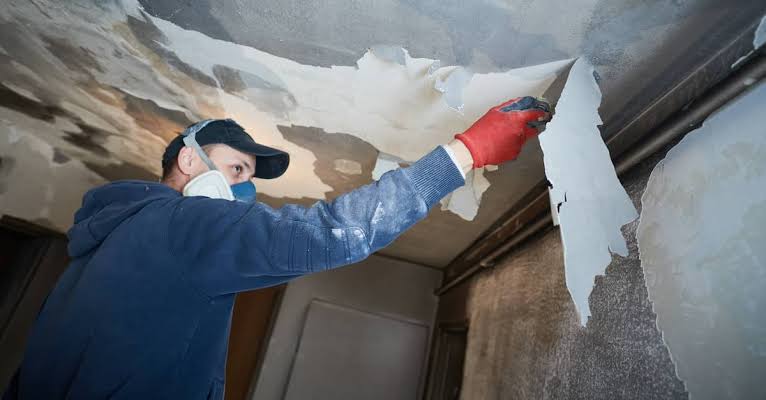
- Cleaning walls and ceilings
- Treating cabinets and trim
- Cleaning suitable contents
- Addressing ventilation pathways
- Filtering airborne particles
- Deodorizing remaining affected areas
The exact scope depends on where the smoke traveled.
Pay Attention to the Air Inside the Property
Advanced odor removal solutions in Sarasota, FL should not focus only on surfaces that can be touched.
Fine particles may remain airborne or move through the building during cleanup. Professional air-filtration equipment can help control airborne contamination while technicians work on affected areas.
Major Restorations lists air purification as part of its smoke damage restoration service, and its current smoke-restoration guidance also references professional HEPA air purification.
Air treatment works best as one part of a larger cleanup plan rather than as a substitute for removing contaminated materials and residue.
Check HVAC-Related Areas
Smoke can move through a building along airflow routes.
Registers, ducts, filters, and other HVAC-related components may require evaluation when smoke has circulated through the property. Odor can sometimes remain because an overlooked airflow pathway still contains residue.
Major Restorations identifies ventilation pathways and HVAC-related areas among the locations that may need attention during smoke restoration.
This is particularly important when the smell appears in rooms that were not close to the original fire.
Deodorization Comes After Cleanup
Professional deodorization is intended to neutralize or remove remaining odor after the major source contamination has been addressed.
Depending on conditions, restoration professionals may select different odor-control techniques. Major Restorations’ published fire-restoration information references advanced deodorization systems for difficult smoke problems.
The correct method should be based on the property, materials, contamination level, and safety requirements.
Simply adding a strong fragrance may make the property smell different temporarily, but it does not establish that the smoke contamination has been removed.
Decide What Can Be Saved
One of the most practical restoration decisions is determining whether affected materials should be cleaned, refinished, or replaced.
Some hard surfaces can often be restored after proper cleaning. Other porous or heavily damaged materials may retain contamination too deeply to justify continued treatment.
Major Restorations combines smoke cleanup with surface restoration and broader fire-damage recovery, allowing the condition of each area to be evaluated as part of the complete project.
Homeowners should ask which materials are considered restorable and why replacement is recommended for others.
What Determines Smoke Remediation Cost?
Smoke remediation pricing depends on the spread and severity of contamination rather than odor alone.
A small affected room may require limited cleaning, while smoke throughout an entire house can involve multiple surfaces, contents, ventilation pathways, and hidden areas.
Cost can be influenced by affected square footage, soot levels, material removal, content cleaning, deodorization, filtration, HVAC-related work, and any required repairs.
An on-site inspection is usually the most useful way to establish the actual restoration scope.
Why Polk Property Owners May Need Full Restoration
Lingering odor can exist alongside other fire-related problems.
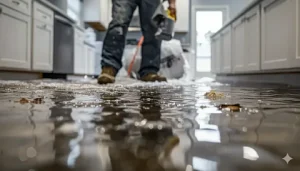
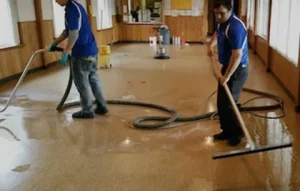
Firefighting water, damaged drywall, soot staining, burned materials, or structural repairs may need attention before the property is fully restored.
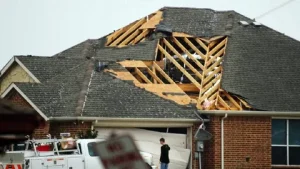
Major Restorations serves Polk County with fire, smoke, water, and storm damage restoration, allowing several connected forms of property damage to be handled within the same recovery process.
Conclusion
Professional odor remediation in Polk, FL is most effective when the work focuses on where the smoke traveled, what materials absorbed it, and which contamination sources remain. Cleaning residue, inspecting concealed areas, evaluating ventilation pathways, filtering the air, and using appropriate deodorization can create a more complete restoration than surface cleaning alone.
Major Restorations provides smoke and fire restoration throughout Polk County, including residue cleaning, odor control, air purification, and surface restoration.
FAQs
Why does my house still smell smoky after cleaning?
Smoke particles may remain inside porous materials, hidden cavities, fabrics, or ventilation-related areas even when visible soot has been removed.
Can smoke odor disappear without professional treatment?
Very light odors may lessen over time, but persistent fire-related odors can indicate residue that still needs cleaning or treatment.
Does Major Restorations serve Polk County?
Yes. Polk is specifically included among the company’s current Florida restoration service areas.
Can smoke contamination affect rooms away from the fire?
Yes. Smoke can move through doorways, airflow pathways, and HVAC-related areas and reach rooms beyond the original fire location.
Is air purification part of smoke restoration?
Yes. Major Restorations lists air purification as part of its smoke damage restoration approach.