Restore your property with fire damage restoration in Pasco, FL. Learn about soot cleanup, smoke removal, structural repairs, emergency response, and recovery.
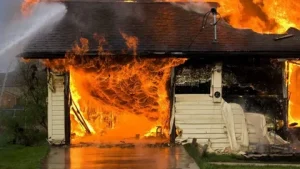
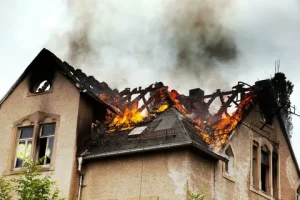
A fire can affect much more than the area touched by flames. Smoke can travel through rooms, soot can settle on walls and contents, water from suppression efforts can soak building materials, and heat can weaken structural components. Professional fire damage restoration focuses on stabilizing the property, removing debris and residue, controlling odors, evaluating structural damage, and coordinating repairs so the building can move safely toward recovery.
Major Restorations provides fire, water, smoke, and storm damage restoration for homes and businesses across several Florida communities. Its fire restoration work includes emergency cleanup, soot removal, smoke odor treatment, structural repair, surface restoration, and reconstruction. The strongest recovery plan starts with safety and a careful assessment rather than rushing directly into cosmetic repairs. Each affected area should be evaluated so cleanup, removal, drying, deodorization, and rebuilding decisions match the actual condition of the property.
What Professional Fire Damage Restoration Includes
Professional fire damage restoration can involve several stages depending on how far fire, heat, smoke, soot, and water have spread. The first goal is to make the property safer and prevent additional deterioration while the damage is documented.
A typical restoration process may include:
- Inspecting fire and smoke damage
- Securing unsafe or exposed areas
- Removing fire debris
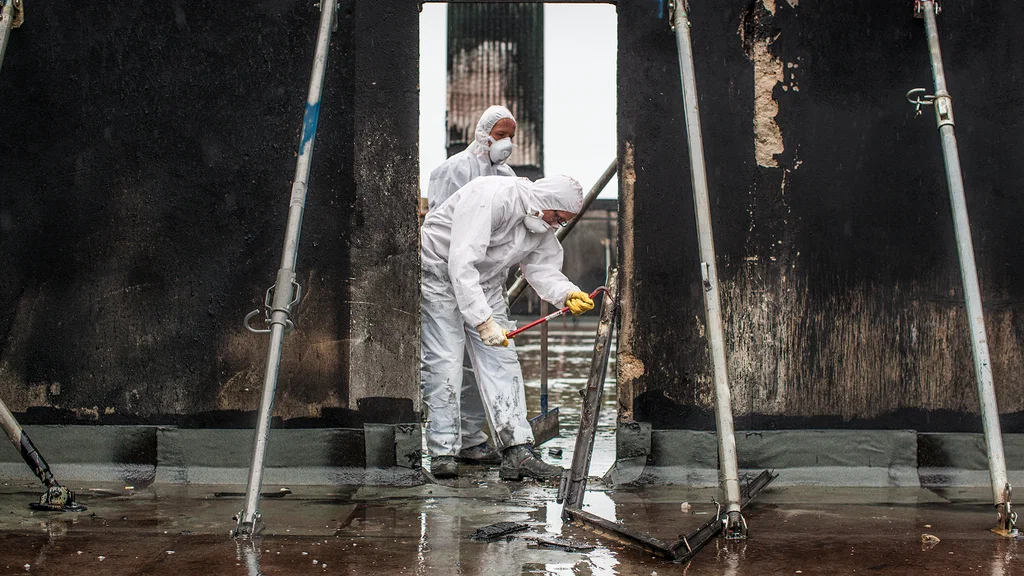
- Cleaning soot from affected surfaces
- Treating smoke residue
- Removing persistent odors
- Drying water from suppression efforts
- Evaluating damaged framing and finishes
- Removing materials that cannot be restored
- Repairing drywall, ceilings, and flooring
- Restoring affected surfaces
- Coordinating reconstruction where necessary
The exact sequence depends on the size of the loss, building construction, contamination level, and which materials remain structurally sound. A professional plan should explain what can be cleaned, what needs removal, and what repairs are required before the property can be considered restored.
Emergency Fire Damage Cleanup in Pasco, FL
Property owners needing emergency fire damage cleanup in Pasco, FL should begin with safety and stabilization. Major Restorations’ Pasco service page confirms fire damage restoration, soot removal, odor elimination, debris clearing, structural repairs, and 24/7 emergency response for local homes and businesses.
After emergency crews leave, the building may still contain unstable materials, electrical hazards, wet surfaces, smoke contamination, or openings that expose the interior to weather. Property owners should avoid entering restricted areas until the appropriate authorities or professionals confirm that access is safe.
Once access is permitted, restoration professionals can document the damage, secure vulnerable areas, and establish the order of cleanup. Fast action matters, but it should be organized. Removing damaged material without documentation or cleaning surfaces with the wrong products can complicate both restoration and insurance discussions.
Fire Damage Assessment Comes Before Repair
A fire damage repair company should not begin rebuilding until the full extent of the loss is understood. Flames may damage obvious surfaces, but heat and smoke can affect hidden cavities, framing, insulation, ventilation pathways, and adjoining rooms.
Assessment typically considers structural condition, soot patterns, smoke migration, water exposure, damaged finishes, and contents. The restoration team may also identify areas requiring specialized evaluation before work continues.
This stage helps separate materials that can be cleaned from those that should be removed. It also provides a clearer scope for repair and reconstruction.
Homeowners should ask for an explanation of what was found and why each major repair step is recommended. Clear documentation makes the recovery process easier to understand and helps avoid unnecessary work.
Understanding Soot and Smoke Residue
Soot is not ordinary household dirt. The residue left after a fire can vary depending on what burned, how hot the fire became, and how smoke moved through the building.
Dry soot, oily residue, protein-related contamination, and other smoke deposits may require different cleaning methods. Wiping a surface aggressively with common household products can spread residue or push staining deeper into porous materials.
The goal is to remove contamination without creating additional damage. This is why testing and controlled cleaning are preferable to assuming one solution will work across the entire property.
Smoke Odor Removal Requires Source Treatment
Major Restorations describes using deodorization methods such as thermal fogging, ozone treatment, hydroxyl systems, HEPA filtration, and detailed surface cleaning as part of its fire restoration process.
Odor removal should focus on the source rather than simply covering smells with fragrance. Damaged materials that continue releasing smoke odor may need deeper treatment or removal.
Ventilation pathways can also require attention because smoke may travel far beyond the room where the fire started. Successful deodorization depends on identifying the complete affected area and matching treatment to the materials and conditions present.
Structural Fire Damage Repair
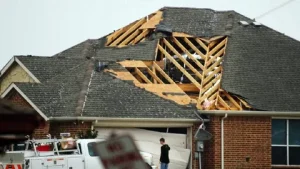
Fire can weaken framing, roofing, drywall, ceilings, flooring, and other building components. Structural repair should begin only after damaged areas are evaluated and the property is stabilized.
Some materials may be repairable, while severely burned, warped, or compromised components may require replacement. The scope can range from a small localized repair to extensive reconstruction.
A qualified restoration team should distinguish cosmetic discoloration from actual loss of material strength. Painting over damaged surfaces is not a substitute for structural repair.
When reconstruction is required, the goal is to rebuild affected sections while coordinating new materials with the remaining property. Framing, drywall, flooring, trim, and finishes should be installed only after the underlying structure is ready.
Fire and Smoke Restoration Services in Polk, FL
Homeowners and businesses looking for fire and smoke restoration services in Polk, FL can benefit from a coordinated process that addresses fire residue, structural damage, smoke odor, and water left from firefighting activities. Major Restorations lists Polk among its core Florida service areas and provides fire, smoke, water, and storm restoration throughout the region.
A combined approach matters because fire damage rarely exists in only one form. A single room may have burned materials, soot on surrounding surfaces, smoke odor in nearby spaces, and water beneath flooring.
Treating these conditions separately without a coordinated plan can create delays or repeated work. Restoration should follow a logical sequence so demolition, cleaning, drying, deodorization, and reconstruction do not interfere with one another.
Water Damage After Fire Suppression
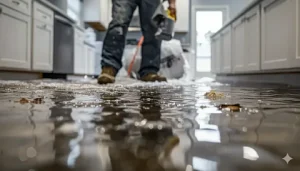
Firefighting efforts can leave significant moisture inside a property. Water may collect beneath flooring, soak drywall and insulation, enter wall cavities, or spread into rooms that were not directly burned.
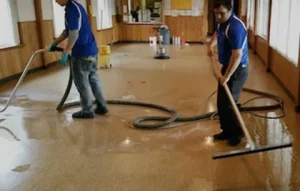
Visible water should be removed when the site is safe, but hidden moisture also needs attention. Drying equipment and moisture monitoring may be necessary depending on the amount of water and materials affected.
Wet building materials should not be covered with new drywall, flooring, or finishes before drying is confirmed. Trapped moisture can create additional damage and complicate reconstruction.
Fire restoration therefore often requires coordination between fire cleanup and water mitigation. Addressing both conditions helps stabilize the structure before cosmetic repairs begin.
Contents and Personal Property
Furniture, clothing, electronics, documents, artwork, and other belongings can be affected by smoke, soot, heat, or water even when they do not appear burned.
Some items may be cleaned or restored, while others may be too damaged or contaminated to save. Property owners should avoid discarding belongings immediately unless safety requires it.
Photographs and written inventories can help document the loss. Restoration professionals may also recommend pack-out, specialty cleaning, or controlled storage for salvageable contents.
Important documents and sentimental items should be identified early because they may require specialized treatment.
Insurance Documentation During Fire Recovery
Fire restoration often involves insurance communication. Property owners should keep photographs, estimates, inventories, receipts, claim information, and written communications organized throughout the project.
Major Restorations states that it assists with restoration documentation and insurance coordination. Coverage decisions, however, are made by the insurance carrier according to the policy.
Before authorizing large reconstruction changes, property owners should understand the restoration scope and what has been documented.
A fire damage repair company can provide technical information about the condition of the property and the work needed, while homeowners remain responsible for understanding their policy and approving repairs.
Good records reduce confusion and create a clearer timeline from emergency response through final reconstruction.
Why Cleaning Methods Matter
Different surfaces react differently to fire residue. Painted drywall, unfinished wood, tile, metal, upholstery, and electronics cannot all be cleaned with the same technique.
Heat can also alter finishes, making some surfaces more difficult to restore even when they appear intact.
Professional cleaning starts by identifying the material and contamination. Small test areas can help determine whether a surface will respond to cleaning or whether replacement is more practical.
Aggressive scrubbing may permanently damage finishes, while inadequate cleaning may leave odor or staining behind.
Common Fire Restoration Mistakes to Avoid
One common mistake is entering the property before it is declared safe. Another is cleaning soot with ordinary household methods before the residue has been evaluated.
Property owners should also avoid painting over smoke staining, rebuilding over damp materials, or discarding damaged contents without documentation.
Another mistake is treating odor separately from contamination. Fragrance may temporarily mask smoke, but lasting odor control requires cleaning or treating the materials producing the smell.
Finally, do not rush reconstruction before mitigation work is complete. Structural repairs, drying, soot removal, and deodorization should happen in the correct sequence so newly installed materials are not contaminated or damaged.
Questions to Ask a Fire Restoration Company
Useful questions include:
- What areas are affected by fire and smoke?
- Is the property safe to enter?
- Which materials can be restored?
- What needs to be removed?
- How will soot be cleaned?
- How will smoke odors be treated?
- Is water damage also present?
- Will structural repairs be required?
- How are contents documented?
- What restoration records will be provided?
- How is insurance communication handled?
- When can reconstruction safely begin?
Clear answers help property owners understand the recovery process and make informed decisions during a stressful time.
Conclusion
Fire damage restoration requires more than removing burned materials. A complete recovery plan can include emergency stabilization, soot cleanup, smoke odor removal, water mitigation, structural evaluation, contents handling, documentation, repairs, and reconstruction.
Major Restorations provides these services for Pasco, Polk, and other Florida communities, serving both residential and commercial properties. Its fire restoration work includes emergency cleanup, structural fire repair, smoke treatment, surface restoration, and rebuilding support.
Property owners should prioritize safety, avoid premature cleanup, document damage carefully, and make repair decisions after the full scope is understood. Coordinating fire, smoke, and water restoration helps prevent one stage of work from creating problems for another.
Frequently Asked Questions
What does fire damage restoration include?
Fire damage restoration may include emergency stabilization, debris removal, soot cleaning, smoke odor treatment, water drying, structural repairs, surface restoration, contents handling, and reconstruction depending on the severity of the loss.
How quickly should emergency fire damage cleanup begin?
Cleanup should begin as soon as the property is safe to access and the damage has been assessed. Early stabilization can help reduce additional deterioration, contamination, and exposure to weather.
Can smoke odor be completely removed?
Many smoke odors can be significantly reduced or eliminated when contaminated materials are properly cleaned, treated, or removed. The correct method depends on where smoke traveled and which materials absorbed it.
What does a fire damage repair company do?
A fire damage repair company evaluates damaged materials, performs cleanup and mitigation, coordinates structural repairs, restores affected finishes, and may handle reconstruction needed to return the property to usable condition.
Why is water mitigation needed after a fire?
Water used during firefighting can soak flooring, drywall, insulation, framing, and other materials. Removing excess moisture and confirming drying helps prevent additional damage before reconstruction.
Are fire and smoke restoration services used for commercial properties?
Yes. Fire and smoke restoration services can be performed in homes, offices, retail spaces, rental properties, and other commercial buildings, with the scope adjusted to the structure and level of damage.