Protect your Sarasota home from lasting moisture damage with Water Damage Restoration guidance and help from Sarasota experts when every minute matters. A leaking water heater, burst supply line, or storm-driven roof leak can turn a dry Sarasota home into a cleanup project within hours. Water Damage Restoration is not simply about removing the puddle; it is about finding where moisture traveled, drying the structure, and preventing secondary damage. Major Restoration shares this local perspective based on the problems Sarasota property owners commonly face.
What Water Damage Restoration Actually Involves
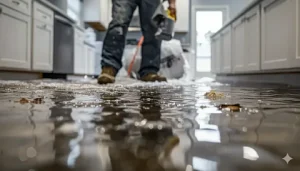
Professional restoration starts with identifying the source and stopping additional water from entering. Technicians then assess affected rooms, flooring, drywall, insulation, cabinetry, and contents before deciding what can be dried and what may need removal.
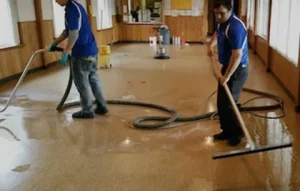
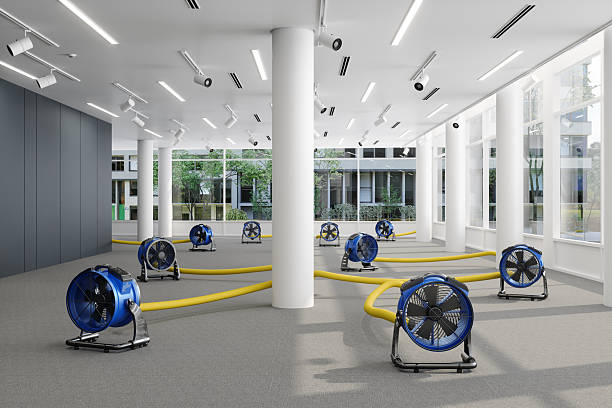
Standing water is usually extracted first with portable extractors, pumps, or other specialized equipment. After that, air movers and dehumidifiers help pull moisture from building materials and the surrounding air. Moisture meters can reveal damp areas that are not visible from the surface, while thermal imaging may help locate temperature differences associated with hidden moisture.
The goal is not to make a room feel dry. The goal is to bring affected materials back toward an appropriate dry condition and document that progress. EPA guidance recommends drying wet materials and areas within 24–48 hours when possible to reduce the chance of mold growth.
In Sarasota, we’ve noticed that most homeowners first focus on visible standing water and overlook what may be happening underneath flooring, behind baseboards, or inside wall cavities. That hidden moisture is often where a small leak becomes a much larger repair.
For a plumbing failure or appliance leak and Top Emergency Water Extraction can remove bulk water quickly. The extraction itself, however, is only one part of the job; drying and verification determine whether moisture remains in the structure.
The Real Challenge in Sarasota, FL
Sarasota has a combination of heavy rain, tropical weather, coastal exposure, high humidity, and properties with different ages and construction styles. The city also recognizes flood exposure from heavy or prolonged rainfall, coastal storm surge, and blocked storm drainage systems.
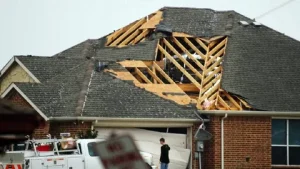
That creates a local problem people sometimes underestimate: a property does not have to sit directly on the waterfront to experience serious water intrusion. During major storms, drainage can become overwhelmed, while wind-driven rain can enter through damaged roofing, windows, doors, or other openings.
A client in Sarasota reached out when they noticed a damp smell after a refrigerator supply line leaked overnight. The visible water had already been wiped up, so the homeowner assumed the problem was finished. Moisture had actually reached the base of nearby cabinetry and the flooring underneath it, requiring targeted drying rather than another round of surface cleaning.
One objection deserves a straight answer: “If the water is gone, why pay for professional drying?” Because visible water and structural moisture are two different things. A floor can look dry while the subfloor remains damp, and drywall can hold moisture after the surface feels normal. EPA guidance specifically recommends checking and drying affected materials quickly rather than relying on appearance alone.
There is also a question that many service pages do not explain clearly: Does homeowners insurance automatically cover every type of water damage? No. Sudden plumbing-related losses may be covered under a policy, but flood damage is generally treated differently. The City of Sarasota states that standard homeowners insurance often does not cover flooding, while FEMA likewise says flood coverage is generally separate.
For that reason, photograph the affected areas, keep damaged materials where it is safe to do so, and contact your insurer promptly if you intend to file a claim.
How Major Restoration Approaches It Differently
Major Restoration approaches a Sarasota water-loss project as a sequence of decisions rather than a race to put fans in a room. The first questions should be: Where did the water originate? How far did it travel? What materials absorbed it? Is the water contaminated? What areas need monitoring?
That assessment affects equipment selection. A small clean-water leak affecting a limited section of flooring may require a very different setup from a storm-related intrusion involving insulation, drywall, cabinetry, and multiple rooms.
Current Sarasota restoration pages frequently promote 24/7 response, extraction equipment, drying systems, insurance assistance, and commercial services. A useful gap is the lack of detail about how a customer can tell whether the drying work is actually finished.
The answer should involve measurements, not guesswork. Technicians can record temperature, relative humidity, and material moisture readings during the drying process. Affected areas can also be compared with unaffected materials in the same property to establish a practical reference point. Industry guidance places significant emphasis on moisture measurement and documentation during structural drying.
That documentation matters for another reason: it gives the property owner a record of what was wet, what equipment was used, what readings changed, and why the project was considered ready for the next stage.
Water Mitigation Services may also involve removing unsalvageable materials, cleaning affected surfaces, controlling odors, and coordinating repairs after drying. Restoration and reconstruction are related but different stages; replacing drywall before the moisture problem is resolved can simply hide the damage.
For businesses, Expert Commercial Water Damage Restoration in Sarasota, FL requires another layer of planning. A restaurant, office, retail space, or medical practice may need affected areas isolated while other operations continue. Equipment placement, access, electrical safety, customer traffic, and business interruption all become part of the practical plan.
Practical Tips: What to Know Before You Decide
Start by stopping the water source if you can do so safely. Shut off the appropriate supply valve for a plumbing leak, avoid electrical hazards around standing water, and do not enter areas that may be structurally unsafe.
Next, document the loss. Take photographs and short videos before extensive cleanup, including damaged flooring, walls, ceilings, appliances, furniture, and visible water lines. Keep receipts for emergency expenses and make a basic list of damaged belongings.
In Sarasota, we’ve noticed that property owners sometimes delay calling for help because the initial damage looks minor. That can be costly in a humid climate. Moisture trapped under flooring or inside drywall has less opportunity to dry naturally, particularly when outdoor humidity is already high.
A useful local-market tip is to ask whether the company actually documents moisture readings rather than simply placing drying equipment and returning later. A fan running for three days is not proof that a wall cavity is dry.
If you need High-Level Water Leak Damage Repair , make sure the source itself is addressed. Drying a ceiling after a roof leak does not solve the damaged flashing or roof assembly. Likewise, drying flooring after a failed supply line does not replace the defective valve or hose.
Ask for a written scope before approving non-emergency repair work. It should identify affected areas, planned demolition if needed, drying equipment, monitoring, cleaning, and reconstruction responsibilities.
Trust should also be checked independently. Florida’s Department of Business and Professional Regulation provides an online license search, and Florida’s Chief Financial Officer advises consumers to verify licensing and insurance before hiring contractors after a disaster.
Finally, be cautious about signing documents you do not understand during the first frantic hours after a loss. Ask what the authorization permits, who is responsible for payment, how insurance billing will work, and what happens if the insurer disputes part of the claim.
Get the Moisture Problem Solved Before It Becomes a Repair Problem
A wet Sarasota property needs more than a quick cleanup; it needs a clear plan for extraction, drying, documentation, and any necessary repairs. Acting promptly can reduce the chance of secondary damage, while good records make the insurance and repair process easier to manage. If you need Water Damage Restoration in Sarasota, Major Restoration can be one option to contact for an assessment and next steps.
FAQs
How quickly should water damage be cleaned up in Sarasota?
Act as soon as it is safe. Wet materials should ideally begin drying within 24–48 hours to reduce the likelihood of mold growth. EPA guidance recommends prompt drying, especially for porous materials such as carpet, drywall, and wood. Sarasota’s humid conditions make waiting particularly unwise when moisture has entered hidden spaces.
How much does water damage restoration cost in Sarasota?
There is no reliable single price because the cost depends on the water source, affected square footage, materials involved, contamination level, demolition needs, drying time, and repairs. A small supply-line leak may be far less expensive than widespread storm flooding. Ask for a written scope and clarification of which work is emergency mitigation versus reconstruction.
Will homeowners insurance pay for water damage cleanup?
It depends on the cause and your policy. Sudden accidental plumbing losses may have coverage, subject to deductibles and exclusions, while flood damage is generally excluded from standard homeowners policies and may require separate flood insurance. Review your declarations and coverage language, then notify your insurer promptly after a significant loss.
How do I know a restoration company is legitimate?
Check the company’s legal identity, applicable Florida license information, insurance coverage, physical contact details, and written agreement before authorizing major work. Florida’s DBPR provides an official license search, while the state’s insurance consumer guidance recommends verifying licensing and insurance. Do not rely solely on online reviews or a polished website.
Do I need water mitigation if there is no standing water?
Possibly. Water can remain inside drywall, subflooring, insulation, cabinets, and other porous materials after visible water has disappeared. Professional moisture meters can help identify areas that still need drying. If the source was a small clean-water leak and affected materials are confirmed dry, extensive mitigation may not be necessary; the decision should follow an actual assessment.