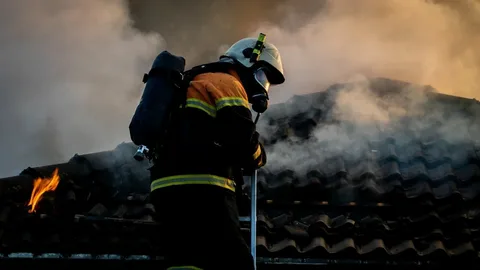
A house fire is one of the most devastating events a homeowner can experience. In the aftermath, you are left with smoke, ash, water damage, and a sense of uncertainty about what to do next. Securing your property and starting the cleanup process immediately is crucial to prevent further decay. This is where Major Restoration steps in to help you navigate the complex path back to normal. Understanding the immediate steps of fire damage restoration can help you protect your home from permanent damage, salvage valuable belongings, and ensure your family remains safe during this challenging recovery process.
Understanding the Impact of Fire on Your Property
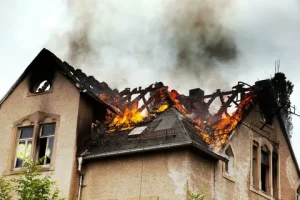
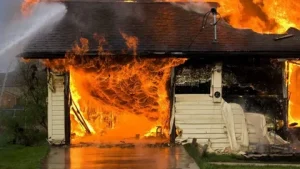
When a fire tears through a home, the damage goes far beyond what is visible to the naked eye. The flames destroy drywall, wood framing, and personal belongings. However, the secondary effects of a fire can sometimes be even more destructive.
Smoke carries tiny, toxic particles that drift into areas of your home that the fire never touched. These particles settle into carpets, upholstery, and drywall. If left untreated, they can cause permanent staining and foul odors.
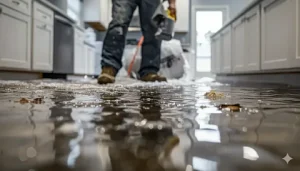
Additionally, the water used by the fire department to extinguish the flames introduces a completely different set of problems. Hundreds of gallons of water can saturate your floors, walls, and ceiling. This excess moisture creates a perfect environment for mold growth, which can start in as little as 24 to 48 hours. This is why a comprehensive approach is required to fully address all aspects of the recovery process.
The Immediate Phases of Fire Damage Restoration
The recovery process must begin as soon as the local fire department declares the building safe to enter. Waiting even a few days can make salvaged items unsalvageable and cause structural issues to worsen.
Step 1: Professional Assessment and Inspection
The first step is always a thorough inspection of the property. Professionals must evaluate how far the fire, smoke, and water traveled. They will check the stability of the foundation, walls, and roof to ensure the home is safe to work in. This assessment helps create a detailed roadmap for the cleanup and repair process.
Step 2: Emergency Board-Up and Tarping
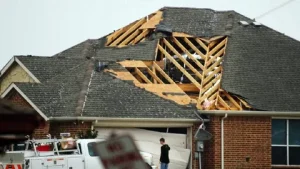
Fires often shatter windows, damage doors, and compromise roofs. This leaves your home vulnerable to weather elements and intruders. Securing the property is a top priority. Professionals will install strong wooden boards over broken windows and doors. They will also place heavy-duty tarps over damaged areas of the roof to prevent rain from causing further indoor water damage.
The Dangers of Hidden Residue
Many homeowners do not realize that smoke and ash continue to damage a home even after the fire is out. The chemical composition of smoke depends entirely on what materials burned during the fire.
When plastics, synthetic fabrics, and electronics burn, they produce highly acidic soot. This acidic residue quickly begins to discolor plastics, corrode metal fixtures, and tarnish pipes. Within days, metal appliances can begin to rust, and painted walls can become permanently stained.
Why Professional Fire Damage Restoration is Necessary
Trying to clean this residue without specialized equipment often rubs the particles deeper into porous surfaces. Professional technicians use advanced air scrubbers, thermal foggers, and specialized cleaning agents to neutralize acids and lift particles safely.
Understanding the differences between types of smoke residue is crucial for a successful cleanup:
- Dry Smoke: This occurs when fast-burning wood or paper fires occur. It leaves a powdery, dry residue that is relatively easy to clean.
- Wet Smoke: This results from slow-burning, low-heat smoldering fires, often involving plastics or rubber. It leaves a sticky, smeary residue that is highly destructive and difficult to remove.
- Protein Residue: This is common in kitchen fires where grease and food burn. It is virtually invisible but leaves a powerful, offensive odor that requires chemical neutralization.
Water Mitigation and Structural Drying
Before any reconstruction or detailed cleaning can begin, all standing water must be removed. Standing water will warp wood floors, rot support beams, and ruin drywall.
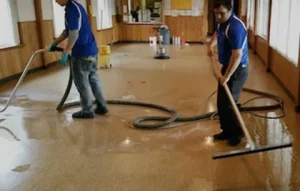
Industrial-grade water extraction pumps are used to draw out the bulk of the water. Once the standing water is gone, heavy-duty dehumidifiers and high-velocity air movers are placed throughout the home. These machines circulate dry air to draw moisture out of the walls and framing. Technicians monitor the drying progress daily using moisture meters to ensure the home reaches safe, dry levels before any new materials are installed.
The Reconstruction and Repair Phase
Once the home is completely dry and clean of smoke residue, the structural repairs can begin. This is the stage where your home starts to look like a home again.
Depending on the severity of the fire, this phase can range from minor cosmetic repairs to a major rebuild of entire rooms. Working with an experienced fire damage repair company in Polk, FL ensures that your home is rebuilt to meet modern building codes. This phase involves replacing damaged drywall, installing new insulation, rewiring electrical systems, and replacing charred structural supports.
Comparing DIY Restoration vs. Professional Help
It is natural to want to save money by doing things yourself. However, fire recovery is not a standard home improvement project. The table below highlights the differences between what a homeowner can safely handle and what requires certified professionals.
| Task Category | DIY Approach | Professional Approach |
| Initial Assessment | Visually inspecting obvious surface damage. | Using thermal cameras and moisture meters to find hidden issues. |
| Water Extraction | Using household wet-vacs and box fans. | Using industrial truck-mounted pumps and commercial dehumidifiers. |
| Smoke Odor Removal | Using scented sprays and opening windows. | Utilizing thermal fogging and ozone machines to neutralize odors at a molecular level. |
| Soot Cleanup | Wiping walls with household soap, which can smear soot. | Utilizing specialized dry-chem sponges and alkaline cleaning solutions. |
| Structural Repairs | Hanging simple drywall or painting surfaces. | Permitting, framing, electrical rewiring, and full reconstruction. |
Common Mistakes to Avoid After a Fire
Making wrong moves in the hours following a fire can compromise your insurance claim and your health. Avoid these common errors:
- Entering Too Soon: Never enter a home until the fire department has officially cleared it. Structural damage can cause floors or ceilings to collapse without warning.
- Turning on the HVAC System: Do not turn on your heating or air conditioning system. Doing so will blow soot and ash through your ductwork, contaminating rooms that were completely untouched by the fire.
- Attempting Complex Cleaning Yourself: Wiping soot off walls with water can create a permanent stain. Let professionals evaluate the soot type before attempting any cleanup.
- Throwing Away Damaged Items Too Quickly: Keep all damaged items until your insurance adjuster has seen them and documented them for your claim.
- Delaying the Insurance Process: Contact your insurance agent immediately. Delays can slow down your payout and postpone the start of vital cleanup work.
Best Practices for a Smooth Recovery
While the recovery process can feel overwhelming, staying organized can help you maintain control. Follow these best practices to keep your project on track:
Keep Detailed Documentation
Take photos and videos of all damage from multiple angles before any cleanup begins. Create a written inventory of every single item damaged or destroyed in the fire. Write down the purchase price, approximate age, and brand of each item if possible. Keep all receipts for temporary living expenses, as these are often covered by your insurance policy.
Communicate with Your Insurance Adjuster
Your insurance adjuster is your primary contact for funding the repairs. Walk through the home with them if possible. Provide them with your detailed inventory and photos. Ensure that any estimates you receive from a fire damage repair company are shared directly with your insurance company to avoid discrepancies in coverage.
Focus on Air Quality
Do not overlook the quality of the air inside your home. Even after visible soot is gone, fine particles can linger in the air. Make sure your restoration team uses HEPA air scrubbers throughout the cleanup process. Replacing all air filters in your home is also vital before you move back in.
Navigating the Local Recovery Process in Polk, Florida
Living in Polk, FL, means dealing with high humidity throughout most of the year. This humidity makes rapid drying even more critical.
Moisture from fire hoses combined with the warm, humid Florida air can lead to rapid mold growth within 24 hours. Local homeowners must prioritize water extraction and drying to prevent a secondary mold crisis.
When choosing local assistance, working with an established regional specialist like Major Restoration ensures that your team understands the specific challenges of our local climate, permitting processes, and building codes. Having a team that is familiar with local building departments in Polk, FL, helps speed up the permit approvals required for reconstruction.
By choosing a reputable team and staying actively involved in your insurance claim, you can rebuild your home safely and securely. Professional Major Restoration services help ensure your home is fully restored to a safe, healthy, and beautiful state.
Conclusion
Recovering from a home fire is a long journey that requires patience, planning, and professional expertise. From the initial board-up to the final coat of paint, every step must be handled with care to protect your home’s structure and your family’s health. By avoiding common mistakes, documenting your losses thoroughly, and trusting certified experts for fire damage restoration, you can navigate this difficult time with confidence. Your home can be fully restored to its pre-loss condition, giving you and your family a safe place to build new memories.
FAQs
How long does the fire damage restoration process usually take?
The timeline depends heavily on the extent of the damage. Minor smoke cleanup might take a few days, while a full structural rebuild after a major fire can take several weeks or even months. Your restoration team will provide a detailed timeline after the initial assessment.
Can I wash my own clothes and fabrics to remove smoke smells?
Standard household washing machines and detergents usually cannot remove deep smoke odors. In fact, washing them incorrectly can set the smell permanently. It is best to have a professional textile restorer treat your clothing and fabrics with specialized dry cleaning techniques.
Should I open my windows to air out the house?
While opening windows can help clear out immediate smoke during the initial moments, it is not a permanent solution. Professional teams use specialized air scrubbers and ozone generators to neutralize smoke particles that have bonded to surfaces inside the home.
Will my homeowner’s insurance cover the cost of restoration?
In most cases, standard homeowner’s insurance policies cover damage caused by accidental fires. This typically includes the cost of temporary lodging, cleanup, and structural repairs. Always review your specific policy and speak directly with your insurance agent to confirm coverage details.
Is it safe to eat food that was in the house during a fire?
Any food exposed to heat, smoke, or firefighting chemicals should be thrown away. This includes food in your pantry, open packages, and even items stored inside a refrigerator, as seals can fail under high heat and allow toxic smoke to penetrate inside.