Storms are part of life in Southwest Florida, but the damage they leave behind can feel overwhelming. From heavy rain and strong winds to hurricanes, even a single storm can affect your roof, walls, flooring, and foundation. Major Restorations understands how important it is to restore a home quickly while protecting its long-term value. Learning how storm damage restoration services in Pinellas, FL work helps homeowners make informed decisions before minor damage turns into expensive repairs.
Why Storm Damage Restoration Matters for Pinellas Homes
Pinellas experiences tropical storms, hurricanes, and severe thunderstorms throughout the year. These weather events often cause hidden structural problems that homeowners may not notice immediately.
Professional storm damage restoration services in Pinellas, FL focus on identifying both visible and concealed damage. Water trapped inside walls, roof leaks, damaged insulation, and weakened framing can continue to deteriorate if left untreated. According to industry organizations such as the IICRC, beginning restoration within the first 24 to 48 hours greatly reduces the chance of mold growth and additional structural deterioration.
Common Types of Storm Damage
High winds rarely damage only one part of a property. Most homes experience multiple issues after a severe weather event.
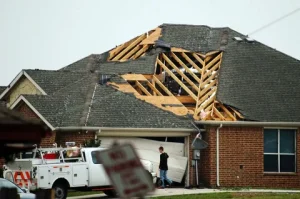
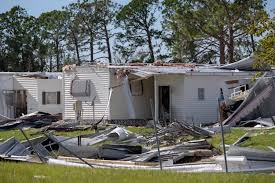
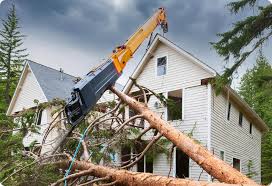
Roof shingles may lift or disappear completely. Fallen branches can puncture roofing materials, allowing water inside. Heavy rain may flood crawl spaces or lower levels, while flying debris often damages windows, siding, fences, and exterior finishes.
Hidden Damage Can Become Expensive
Many homeowners only notice broken shingles or fallen trees. The larger concern often lies beneath the surface.
Moisture trapped behind drywall or under flooring creates ideal conditions for mold. Structural wood may begin weakening long before visible signs appear. This is why experienced restoration professionals rely on moisture meters, thermal imaging, and detailed inspections instead of visual checks alone.
What Happens During the Storm Damage Restoration Process?
Every property has unique restoration needs, but professional restoration generally follows a structured process designed to stabilize the home and prevent further damage.
Emergency Response and Property Protection
The first priority is protecting the property from additional exposure.
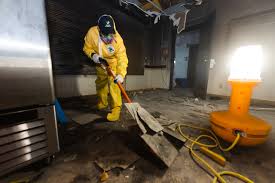
Emergency board-up services secure broken windows while roof tarping prevents more rainwater from entering the building. Debris removal also improves safety before repair work begins.
Quick emergency response often saves homeowners thousands of dollars by limiting secondary water damage.
Inspection and Damage Assessment
Once the property is secure, restoration specialists perform a comprehensive inspection.
They evaluate roofing systems, drywall, insulation, electrical components, flooring, and structural framing. Moisture detection equipment identifies hidden water that cannot be seen with the naked eye.
Detailed documentation also supports insurance claim assistance by providing accurate evidence of storm-related damage.
Water Removal and Structural Drying
Standing water should never remain inside a home after a storm.
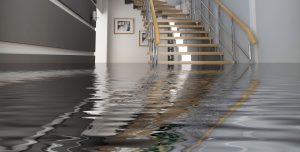
Industrial extraction equipment removes excess water, while commercial dehumidifiers and air movers complete the structural drying process. Proper drying reduces the possibility of mold development and protects building materials from long-term deterioration.
How Storm Damage Restoration Helps Prevent Future Problems
Storm restoration is more than repairing visible damage. The goal is returning the home to a safe and stable condition while improving resilience against future storms.
Preventing Mold Growth
Moisture is one of the biggest threats following hurricanes and severe storms.
Experts recommend drying affected areas immediately because mold colonies can begin developing within 24 to 48 hours under favorable conditions. Professional storm damage restoration services include moisture monitoring throughout the drying process to confirm safe humidity levels before reconstruction begins.
Strengthening Vulnerable Areas
Many restoration projects include upgraded roofing materials, reinforced flashing, stronger fasteners, and improved waterproofing techniques.
These improvements help homes better withstand future hurricanes and severe weather while complying with current Florida building codes.
Protecting Indoor Air Quality
Storms introduce contaminants such as dirt, bacteria, and airborne particles into affected homes.
HEPA filtration systems, antimicrobial treatments, and professional cleaning help restore healthier indoor air while removing contaminants left behind after flooding or storm intrusion.
Choosing Reliable Storm Damage Restoration Services in Pinellas, FL
Not every restoration company offers the same level of expertise. Homeowners benefit from selecting experienced professionals who understand Florida’s unique weather challenges.
Experience With Local Storm Conditions
Companies familiar with Pinellas understand the effects of hurricanes, storm surge, heavy rainfall, and high humidity.
Their experience allows them to recognize common structural weaknesses and recommend restoration methods suited for local environmental conditions.
Modern Equipment Makes a Difference
Professional restoration depends on advanced technology.
Thermal cameras, moisture mapping systems, industrial dehumidifiers, and commercial extraction equipment improve accuracy while reducing restoration time. These tools also minimize unnecessary demolition by locating moisture hidden inside building materials.
Insurance Documentation Support
Storm restoration frequently involves insurance claims.
Experienced restoration teams document damage carefully using photographs, moisture readings, inspection reports, and repair estimates. Organized documentation often simplifies communication with insurance adjusters and helps homeowners move through the claims process more efficiently.
Expert Insights Every Homeowner Should Know
Restoration professionals consistently emphasize that immediate action creates better outcomes. Homes inspected quickly after storms often require fewer repairs because hidden moisture has less time to spread.
Industry standards developed by the IICRC also recommend systematic drying, moisture verification, and continuous monitoring rather than relying solely on visual appearance. These proven practices improve restoration quality while reducing future repair costs.
One Pinellas homeowner discovered only a few missing shingles after a summer storm. During the inspection, technicians found moisture beneath the roof decking that had already reached attic insulation. Early restoration prevented mold growth and avoided a much larger reconstruction project only weeks later.
Conclusion
Storms are unpredictable, but your response afterward doesn’t have to be. Professional storm damage restoration services focus on protecting your property, identifying hidden damage, restoring structural integrity, and preventing future problems. From emergency board-up services and roof storm damage repair to water damage restoration, wind damage restoration, hurricane damage repair, and complete storm damage cleanup, timely restoration gives homeowners greater peace of mind while preserving the long-term value of their homes. Acting quickly after severe weather is always the smartest investment.
Frequently Asked Questions
How soon should storm damage restoration begin after a hurricane?
Restoration should ideally begin within 24 to 48 hours. Fast action reduces water damage, limits mold growth, and prevents additional structural deterioration.
Can hidden storm damage affect my home even if it looks fine?
Yes. Water can remain inside walls, ceilings, insulation, and flooring without obvious signs. Professional inspections help detect hidden moisture before serious problems develop.
Does storm damage restoration include water removal?
Yes. Most restoration projects include water extraction, structural drying, dehumidification, moisture monitoring, and repairs to affected building materials.
What types of damage are commonly restored after storms?
Professionals repair roof damage, wind damage, broken windows, flooded interiors, damaged drywall, structural framing, insulation, flooring, and exterior surfaces.
Will restoration companies help with insurance claims?
Many restoration professionals provide inspection reports, photographs, damage documentation, and repair estimates that support insurance claims and improve communication with adjusters.