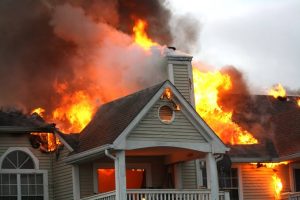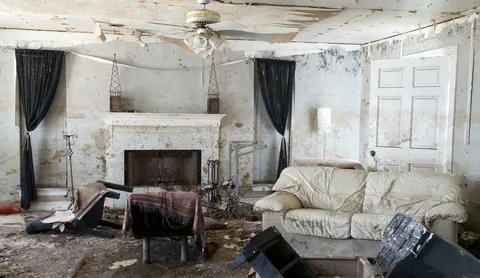
Smoke does not stay in the room where a fire started. Fine particles can travel through doorways, settle on ceilings, enter HVAC pathways, and penetrate porous materials throughout a property. Certified Smoke Damage Restoration focuses on finding contamination, cleaning affected surfaces, controlling odors, and improving indoor conditions after the fire has been extinguished.
Major Restorations provides fire, water, smoke, and storm restoration services for homes and businesses across several Florida communities. Its smoke restoration work includes residue cleaning, deodorization, air filtration, and treatment of hidden contamination.
Effective recovery may require professional smoke odor removal services, detailed soot removal and cleaning, thorough smoke residue cleanup, HEPA air purification, and broader fire and smoke restoration services.
Unlike visible fire damage, smoke contamination is not always easy to judge by appearance. A wall may look clean while odor remains in porous materials nearby. Therefore, professional restoration should follow how smoke moved through the property rather than treating only the darkest stains.
Why Smoke Damage Extends Beyond Burned Areas
Fire creates heat, gases, soot, and airborne particles that can move well beyond the immediate burn zone. Air currents carry contamination into adjoining rooms and enclosed spaces.
Smoke Follows Airflow Through the Building
A closed bedroom door may reduce contamination, yet it does not always prevent it. Smoke can move through gaps, ventilation systems, hallways, and open cavities.
This is why thorough smoke residue cleanup often involves more than cleaning walls near the fire.
Restoration professionals may inspect:
- Ceilings and upper wall areas
- Doors and trim
- Cabinets and built-ins
- HVAC registers and nearby surfaces
- Furnishings and porous materials
Professional soot removal and cleaning also matters because soot can leave oily or powdery deposits depending on what burned.
Different residues may react differently to cleaning products. Therefore, aggressive scrubbing without understanding the surface can spread staining or damage finishes.
Major Restorations states that its smoke restoration process includes inspection for hidden contamination and treatment of walls, ceilings, flooring, furnishings, and air systems.
The goal is to trace contamination logically instead of assuming every affected surface will look obviously dirty.
Clean Soot According to the Surface
Soot is not simply ordinary household dust. It may contain fine combustion particles that cling to walls, ceilings, appliances, flooring, and contents.
Cleaning Methods Need to Match the Material
Expert Smoke Damage Restoration should begin with identifying affected materials and the type of residue present.
Five practical cleaning considerations include:
- Determine whether the residue is dry or oily.
- Test delicate finishes before widespread cleaning.
- Use appropriate HEPA-filtered equipment.
- Separate salvageable materials from severely damaged items.
- Clean from controlled areas toward heavier contamination.
Reliable soot removal and cleaning may involve specialized vacuums, cleaning agents, sponges, and surface-specific methods. Major Restorations describes using HEPA filtration and specialized cleaning techniques for soot contamination.
Meanwhile, professional smoke residue cleanup should avoid simply redistributing particles across the room.
Porous surfaces can be more challenging because smoke may penetrate below the visible surface. In those cases, cleaning decisions depend on material condition, contamination level, and whether restoration remains practical.
Proper technique protects both the material and the quality of the cleanup.
Track Down the Source of Lingering Smoke Odors
Smoke odor can remain after visible soot disappears. This usually means odor-producing particles remain somewhere within the property.
Deodorization Should Follow Cleaning
Sprays and fragrances can temporarily cover smoke smells, but masking the odor does not remove the source.
Professional smoke odor removal services should begin after contaminated surfaces and materials have been identified and cleaned.
Common odor reservoirs can include:
- Upholstery and fabrics
- Unsealed wood
- Drywall and insulation
- HVAC components
- Carpeting and other porous finishes
For property owners needing smoke odor removal services in Sarasota, FL, identifying these hidden reservoirs can be especially important after extensive smoke movement. Major Restorations’ Sarasota page includes smoke odor remediation and property-wide restoration among its local services.
Depending on conditions, restoration teams may use air scrubbing, targeted deodorization, thermal fogging, or other methods.
However, reliable fire and smoke restoration services should not jump directly to deodorization while contaminated material remains untreated.
The strongest odor-control plan removes contamination first and then addresses what remains.
Pay Attention to the HVAC System
Heating and cooling systems move large volumes of air through a building. If smoke enters that airflow, contamination may reach areas far from the original fire.
Air Quality Recovery Needs More Than Open Windows
Reliable Smoke Damage Restoration should consider whether smoke reached registers, filters, return-air areas, or other HVAC components.
Five signs deserve attention:
- Smoke odors return when the HVAC system runs.
- Residue appears around vents.
- Rooms away from the fire smell smoky.
- HVAC filters show unusual contamination.
- Air quality feels noticeably different after the incident.
Professional HEPA air purification can help capture fine airborne particles during restoration when used as part of an appropriate cleanup plan.
Likewise, thorough smoke odor removal services may include attention to air pathways when odor continues circulating through the property.
Major Restorations describes air scrubbing, HEPA filtration, and HVAC-related cleaning as parts of its smoke restoration approach.
Simply changing a filter may not resolve contamination elsewhere in the system. A restoration assessment can help determine whether additional cleaning is appropriate.
The objective is to stop contaminated air from repeatedly moving through areas that have already been cleaned.
Restore Surfaces Without Causing Additional Damage
After a fire, owners understandably want dark staining and residue removed quickly. However, rushed cleaning can sometimes make restoration more difficult.
Different Finishes React Differently to Soot
Paint, natural wood, metal, stone, fabric, plastic, and finished cabinetry may all require different treatment.
Professional fire and smoke restoration services should take those differences into account.
Five precautions can help protect materials:
- Avoid wetting dry soot unnecessarily.
- Test cleaning products on sensitive finishes.
- Use suitable tools for delicate surfaces.
- Document heavily damaged items before disposal.
- Reassess materials that continue releasing odor.
Detailed soot removal and cleaning can restore many surfaces when contamination has not permanently damaged the material.
Likewise, professional HEPA air purification can support surface-cleaning work by helping control particles disturbed during the process.
A good restoration plan also recognizes when cleaning is no longer the best option. Materials that are severely burned, structurally compromised, or deeply contaminated may require removal.
Experienced restoration work balances preservation with safety rather than trying to save every item regardless of its condition.
Build a Complete Recovery Plan After the Fire
Smoke damage rarely exists by itself. A property may also have burned materials, firefighting water, damaged drywall, electrical concerns, or weakened structural components.
Coordinate Cleanup With the Larger Restoration
Trusted Smoke Damage Restoration should fit into a broader property-recovery plan rather than happening as an isolated task.
Five areas may need coordination:
- Fire-damaged material removal
- Water extraction and drying
- Soot and smoke cleaning
- Odor treatment
- Structural or finish repairs
For properties needing fire and smoke restoration services in Manatee, FL, coordinated restoration can be especially useful when soot, odor, fire damage, and water exposure occur together. Major Restorations’ Manatee page describes smoke residue cleanup, soot removal, deodorization, and broader property restoration.
Dependable smoke residue cleanup should therefore happen in the correct sequence with other restoration tasks.
Additionally, reliable HEPA air purification can support containment and cleaning while work progresses.
Major Restorations provides combined fire, smoke, water, and structural restoration services, which can help keep related recovery stages connected.
A coordinated approach helps prevent one restoration activity from interfering with another.
Conclusion
Smoke damage can continue affecting a property after flames are gone. Residue may remain on surfaces, odor can penetrate porous materials, and airborne particles may move through the building.
Professional Smoke Damage Restoration should therefore focus on the full contamination path rather than only the most visibly damaged room.
Expert smoke odor removal services can address persistent odors after source materials are cleaned. Meanwhile, reliable soot removal and cleaning can help restore suitable walls, ceilings, fixtures, and contents without spreading contamination.
Air quality also deserves attention. Professional HEPA air purification may support restoration by controlling airborne particles while affected areas are cleaned.
Finally, dependable fire and smoke restoration services can coordinate smoke cleanup with fire repairs, water damage, structural work, and other recovery needs.
Major Restorations serves Sarasota, Manatee, Clearwater, Pinellas, Pasco, Polk, Hernando, and other Florida areas with property restoration services.
The most effective smoke recovery plan is systematic: locate contamination, clean it properly, address hidden odor sources, evaluate air pathways, and only then move toward final repairs.
FAQ’s
What does Smoke Damage Restoration include?
It may include inspection, soot removal, surface cleaning, odor treatment, air filtration, content cleaning, and evaluation of hidden smoke contamination.
Why does smoke odor remain after surfaces are cleaned?
Odor-producing particles may remain inside porous materials, furnishings, wall cavities, or HVAC-related areas even after visible staining disappears.
Can soot be cleaned with ordinary household cleaners?
Not always. Some soot is oily or chemically complex, and the wrong cleaning method can spread residue or damage surfaces.
Does the HVAC system need attention after a fire?
It may. If smoke entered air pathways, filters, registers, or other HVAC components may require evaluation and appropriate cleaning.
Can every smoke-damaged item be restored?
No. Restoration depends on material type, heat exposure, soot penetration, odor retention, physical damage, and whether safe cleaning is practical.