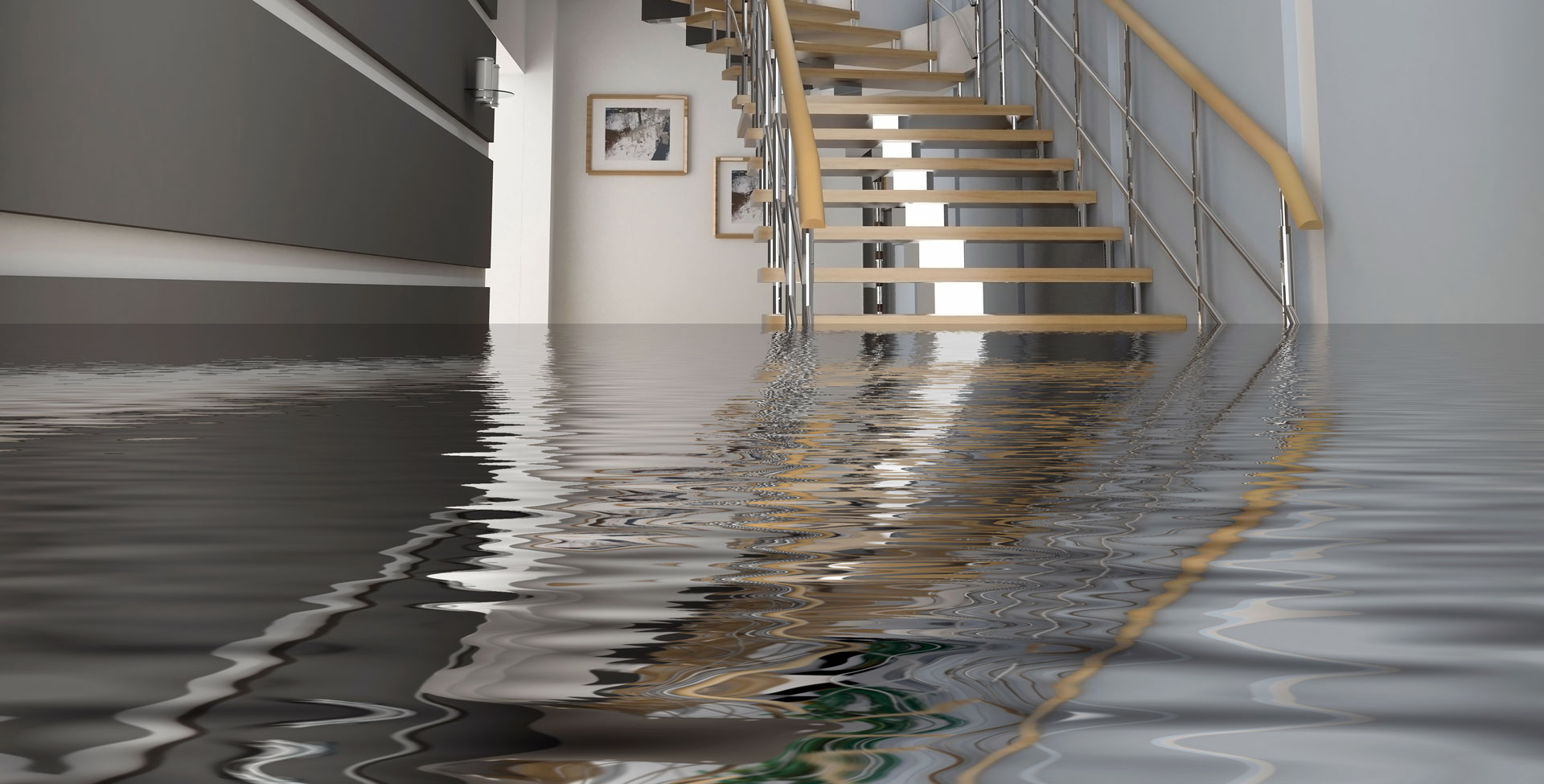
Water damage can change your home or business in a matter of minutes. A small leak may seem harmless today but can lead to costly repairs tomorrow. Major Restoration understands how stressful these situations can be and helps property owners understand the restoration process before major problems develop. Whether the damage comes from a burst pipe, heavy rain, or appliance failure, knowing what happens next makes every decision easier.
Many people believe drying visible water is enough. In reality, hidden moisture often remains inside walls, flooring, and ceilings. That hidden moisture creates conditions where mold and structural damage can develop. Understanding the complete restoration process helps protect both your property and your health.
Why Water Damage Should Never Be Ignored
Water spreads quickly through porous building materials. Drywall, insulation, wood framing, and flooring absorb moisture within hours. Once this happens, structural materials begin to weaken.
Industry organizations such as the Institute of Inspection Cleaning and Restoration Certification (IICRC) recommend beginning drying as soon as possible because early intervention significantly reduces secondary damage. Professional restoration follows recognized drying standards rather than simply removing standing water.
Another concern is indoor air quality. Damp materials increase the likelihood of microbial growth if moisture remains trapped for extended periods.
Common Causes of Property Water Damage
Several situations commonly require water damage restoration services in Pinellas, FL, including:
- Storm flooding
- Burst water lines
- Roof leaks
- Overflowing appliances
- Sewer backups
- HVAC leaks
- Plumbing failures
Each source affects materials differently, which is why restoration methods vary depending on the situation.
Hidden Damage Happens Faster Than You Think
One mistake I often see is homeowners focusing only on soaked carpets. Moisture frequently travels underneath flooring, inside insulation, and behind baseboards where it cannot be seen without specialized equipment.
Understanding the Complete Restoration Process
Many people assume restoration simply means removing water. In practice, several important steps work together to restore a property safely.
Inspection and Moisture Assessment
Professionals first inspect every affected area using moisture meters and thermal imaging technology. These tools locate moisture hidden behind finished surfaces.
This detailed assessment determines the extent of damage before drying begins.
Water Extraction and Structural Drying
After inspection, technicians perform water extraction using commercial pumps and vacuums.
Industrial air movers and dehumidifiers then remove remaining moisture from structural materials. Proper drying often continues for several days until moisture readings return to acceptable levels.
Cleaning, Sanitizing, and Mold Prevention
Once materials are dry, surfaces receive cleaning and sanitizing treatments. This step reduces contamination and helps prevent future microbial growth.
In situations involving contaminated floodwater, additional sanitation procedures become necessary.
How Water Damage Restoration Protects Your Property
The biggest benefit of professional restoration is preventing additional damage.
For example, I have seen properties where a minor washing machine leak appeared manageable. Two weeks later, hidden moisture caused warped flooring, damaged cabinets, and widespread mold growth that dramatically increased repair costs.
Early restoration helps protect:
Structural Stability
Dry framing, subfloors, and support materials maintain their strength much longer than continuously damp materials.
Indoor Air Quality
Removing excess moisture reduces conditions where mold spores can multiply and circulate throughout a building.
Long-Term Repair Costs
Addressing moisture early often prevents extensive demolition and reconstruction later.
Residential and Commercial Water Damage Restoration
Every building presents different restoration challenges.
Residential Properties
Homes often experience water damage from plumbing failures, roof leaks, water heaters, or appliance malfunctions.
Residential and commercial water damage restoration requires different drying strategies depending on flooring, insulation, furniture, and construction materials.
Commercial Buildings
Businesses frequently require faster drying timelines because downtime affects daily operations.
Commercial projects may involve offices, retail stores, healthcare facilities, schools, or warehouses. Restoration teams typically coordinate drying while minimizing business interruptions whenever possible.
Choosing Professional Restoration Services
Not every restoration company follows the same process. Experience and proper equipment make a noticeable difference.
Professionals should perform moisture mapping instead of relying only on visual inspection.
They should also document drying progress with moisture readings rather than estimating when materials appear dry.
Signs of a Quality Restoration Process
Look for providers who:
- Perform complete moisture inspections
- Use commercial drying equipment
- Follow recognized IICRC restoration practices
- Monitor moisture throughout drying
- Explain each restoration step clearly
These practices improve restoration quality while reducing future problems.
Preventing Future Water Damage
Although emergencies cannot always be avoided, regular maintenance greatly reduces risk.
Inspect plumbing connections regularly. Replace aging supply lines before they fail. Keep gutters clean and ensure water drains away from the foundation.
Installing water leak detection devices near appliances also provides early warning before significant damage occurs.
Routine roof inspections and HVAC maintenance further reduce moisture-related issues throughout the year.
Conclusion
Water damage affects far more than what appears on the surface. Hidden moisture can weaken structures, create mold problems, and increase repair costs if ignored. Understanding the proper restoration process helps property owners make informed decisions when emergencies happen.
Whether the issue involves a leaking appliance or severe flooding, Major Restoration encourages fast action and proper drying methods based on industry standards. Learning how water damage restoration services work today can help protect your property, reduce future repairs, and maintain a healthier indoor environment for years to come.
Frequently Asked Questions
How soon should water damage restoration begin?
Restoration should begin as quickly as possible after water intrusion. Fast response limits structural damage and reduces the chance of mold growth. Early drying usually leads to easier repairs.
What is the difference between water mitigation and restoration?
Water mitigation focuses on stopping damage and removing water. Restoration repairs, dries, cleans, and returns the property to its normal condition after mitigation is complete.
Can hidden water cause mold problems?
Yes. Moisture trapped behind walls, ceilings, or flooring creates conditions where mold can grow. Professional moisture detection helps locate hidden damp areas before problems worsen.
How long does structural drying usually take?
Most drying projects require several days, depending on building materials, humidity, and the amount of water involved. Moisture readings determine when drying is complete.
Does every water damage situation require professional equipment?
Small spills usually do not. However, significant leaks or flooding often require commercial drying equipment to remove moisture trapped inside structural materials effectively.