Need storm damage restoration in Clearwater, FL? Learn what to inspect after severe weather, how cleanup works, and when expert recovery service is needed.
What Should You Do First After Storm Damage?
Severe weather can affect several parts of a property at the same time. Strong wind may loosen roofing materials, rain can enter through damaged openings, fallen branches may strike exterior surfaces, and power interruptions can make it difficult to understand the full condition of the building. The first priority should always be personal safety rather than immediate cleanup.
Major Restorations provides fire, water, smoke, and storm damage restoration services across Florida. After a storm, homeowners should avoid entering areas that appear structurally unstable, contain standing water near electrical equipment, or have damaged roofing, ceilings, or walls that could shift without warning.
Once the property is safe to approach, document visible damage from secure locations. Photos and notes can help create a record of what happened before temporary protection, cleanup, or repairs begin. Avoid climbing onto the roof or handling damaged electrical components yourself.
Look for Damage Beyond the Most Obvious Area
Storm damage is not always limited to the place where the problem is easiest to see. A missing shingle may allow water to travel beneath roofing materials before it appears inside. A broken window can expose nearby flooring, drywall, or insulation to rain. Wind-driven water can also enter around doors, vents, roof penetrations, and exterior transitions.
Common signs that deserve attention include:
- Missing or lifted roofing materials
- Broken or damaged windows
- Water stains on ceilings
- Wet drywall or insulation
- Fallen limbs against the building
- Loose siding or exterior panels
- Standing water indoors
- Damaged gutters or downspouts
- Sagging ceilings
- Debris around roof edges
- Unusual odors after water intrusion
A complete assessment should consider both visible exterior damage and hidden moisture inside the property. The goal is to identify how water or wind entered and what materials were affected afterward.
How Professional Storm Damage Restoration Works
Professional storm damage restoration services can involve emergency stabilization, debris removal, water extraction, structural drying, temporary protection, cleanup, repairs, and reconstruction depending on the extent of the damage.
The process typically begins with an inspection. Restoration professionals evaluate immediate hazards, openings that could allow more weather inside, visible water intrusion, and areas where building materials may have been weakened. Temporary measures may be used to help prevent additional damage while a complete repair plan is developed.
If water has entered the property, standing water may need to be removed before drying begins. Moisture meters and other diagnostic tools can help locate damp materials that are not obvious from the surface. Air movement and dehumidification may then be used to reduce remaining moisture.
After the building is stabilized and dried, damaged materials can be cleaned, repaired, or replaced according to their condition.
Why Temporary Protection Matters
A storm may damage a roof or exterior wall while additional rain is still possible. Leaving openings exposed can allow a manageable problem to become much larger.
Temporary roof covering, board-up work, or other protective measures can help limit continued exposure until permanent repairs can be completed. These steps should be installed carefully so they do not create additional hazards or interfere with later restoration work.
Homeowners should not attempt to place tarps on steep, wet, or damaged roofs. Storm-affected roofing can be unstable, and surfaces may be slippery even when they look safe from the ground.
Temporary protection is not the final repair. Its purpose is to reduce further damage while the property is assessed, dried, and prepared for permanent restoration.
Water Extraction Should Happen Promptly
When stormwater enters a building, delaying removal can allow moisture to spread farther into porous materials. Carpet, drywall, insulation, wood, cabinets, and other materials can absorb water even when standing water appears limited.
Water extraction removes accessible water first. Drying then targets moisture that remains inside materials or concealed spaces.
Homeowners seeking storm and water damage restoration in Clearwater, FL should pay attention to areas below roof leaks, around windows, near exterior doors, and along floors where water may have traveled away from the original entry point.
Simply removing visible water does not always mean the building is dry. Moisture can remain behind baseboards, under flooring, inside wall cavities, or above ceilings. Professional drying decisions should be based on actual conditions rather than appearance alone.
Structural Drying Is Different From Surface Drying
A wet surface may feel dry after wiping or air circulation, but deeper materials can retain moisture. Structural drying focuses on reducing moisture within building assemblies, not just drying what can be touched.
Restoration teams may use air movers, dehumidifiers, moisture meters, and controlled airflow to support drying. The number and placement of devices depend on room size, affected materials, humidity, and the extent of water intrusion.
Drying progress should be monitored instead of guessing when equipment can be removed. If wet materials are closed inside walls or covered with new finishes too early, remaining moisture can create future problems.
The objective is to establish that affected areas have reached suitable drying conditions before reconstruction proceeds.
Roof Damage Can Lead to Hidden Interior Problems
Wind and impact can loosen shingles, flashing, vents, or roof edges without creating an immediate large leak. Small openings may only allow water inside during certain wind directions or heavy rainfall.
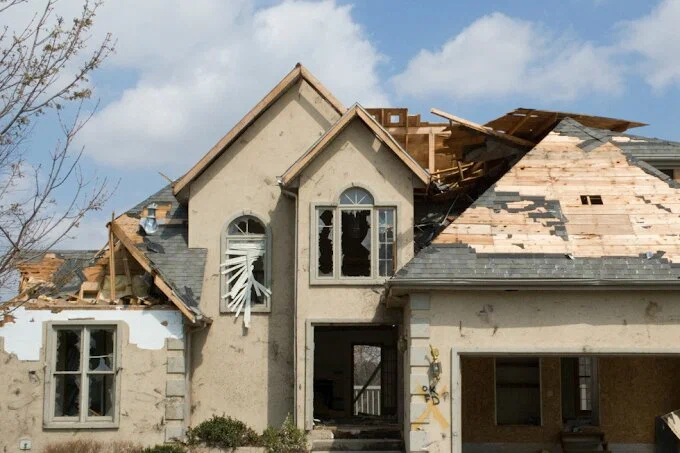
After a significant storm, look for changes from the ground. Missing shingles, exposed roof sections, hanging gutters, damaged fascia, or debris resting on the roof can indicate that professional evaluation is needed.
Inside, new ceiling stains, bubbling paint, damp attic insulation, or moisture around exterior walls can suggest water entry.
Do not assume that a small stain means the problem is minor. Water may travel along framing before becoming visible. A proper inspection should trace the likely source and evaluate the materials along that path.
Wind Damage Is Not Always Easy to See
Strong wind can create pressure on roofing, siding, doors, fences, and exterior attachments. Some damage is obvious, such as a missing panel, while other problems involve loosened fasteners, lifted edges, or shifted materials.
Homeowners should avoid pulling on partially detached exterior components. A loose section may be under tension or connected to other materials that could fall.
Document what you can safely see and keep people away from unstable areas. Professional evaluation can determine whether individual components can be repaired or whether broader replacement is needed.
Wind damage should also be considered together with water intrusion because displaced exterior materials can create entry points for rain.
Storm Debris Requires Careful Removal
Branches, roofing pieces, broken glass, insulation, metal fragments, and other debris can create sharp edges and unstable conditions. Large limbs may also rest against roofs, walls, vehicles, or utility lines.
Before cleanup begins, identify whether debris is near electrical lines or damaged structural areas. Never approach a fallen power line or attempt to remove material that is touching electrical equipment.
Smaller debris can sometimes be collected once the area has been confirmed safe, but heavy branches, unstable building materials, or contaminated debris may require professional handling.
Cleanup should support inspection rather than erase important evidence before damage is documented.
Why Documentation Helps the Recovery Process
Storm recovery often involves several stages, contractors, and decisions. Good documentation can help keep the process organized.
Take photos of visible damage before cleanup when it is safe. Record the date of the storm, locations of leaks, rooms affected, damaged belongings, and temporary measures taken to protect the property.
Keep copies of estimates, invoices, inspection notes, and communication related to the restoration.
If insurance is involved, ask the carrier what documentation it requires and what steps should be completed before permanent repairs. Restoration contractors can provide information about the work they perform, but coverage decisions remain with the insurance provider.
Clear records help homeowners understand what changed from the initial emergency response through final repairs.
When Materials Need Removal
Not every wet material must automatically be discarded. The decision depends on the material, contamination, condition, amount of water exposure, and whether it can be dried effectively.
Some drywall, insulation, flooring, or other porous materials may need removal when they are severely damaged or cannot be dried appropriately. Other components may be salvageable.
Removing materials should be based on assessment rather than unnecessary demolition. At the same time, visibly damaged materials should not be covered simply to improve appearance.
The restoration process should identify what can remain, what requires cleaning, and what needs replacement before reconstruction begins.
Storm Recovery for Homes in Pinellas
Property owners needing storm damage restoration in Pinellas, FL may face wind, water, roof, and exterior damage during the same weather event. This makes coordinated restoration especially important.
A leaking roof may require temporary protection while interior water extraction starts. Broken exterior materials may need stabilization before cleanup crews can safely work nearby. Wet building materials may need drying before walls, ceilings, or finishes are rebuilt.
Handling these problems in the correct order helps prevent new work from being damaged by unresolved moisture or exterior openings.
Homeowners should ask how emergency mitigation, drying, cleanup, and reconstruction will be coordinated so each phase supports the next.
When Should You Call a Restoration Professional?
Professional help is appropriate when storm damage affects roofing, walls, ceilings, electrical areas, structural components, or significant portions of the interior.
Consider arranging an evaluation when:
- Water is entering through the roof
- Several rooms are wet
- Ceilings are sagging
- Exterior materials are loose
- Standing water remains indoors
- Large branches have struck the building
- Moisture is suspected inside walls
- You are unsure whether an area is safe
- Temporary protection is needed
- Cleanup requires specialized drying equipment
Homeowners can safely document many problems from a distance, but they should not take unnecessary risks to inspect unstable roofing, damaged electrical equipment, or compromised structural areas.
Conclusion
Storm damage restoration requires more than cleaning debris and repairing the most visible problem. Wind, rain, roof damage, water intrusion, structural movement, and hidden moisture can affect several parts of a property at once.
The best recovery process begins with safety, documentation, temporary protection, and a complete assessment. Water should be removed promptly, affected materials should be dried appropriately, and hidden damage should be identified before reconstruction begins.
Some storm problems can be handled through targeted repairs, while larger events require coordinated mitigation and rebuilding. Acting early can help limit additional exposure and give homeowners a clearer path from emergency response to permanent restoration and reduce the risk of secondary damage.
Frequently Asked Questions
What should I do immediately after storm damage?
Prioritize safety, stay away from unstable structures or electrical hazards, document visible damage from secure locations, and arrange temporary protection or professional evaluation when the building has openings, leaks, or structural concerns.
How quickly should stormwater be removed?
Standing water should be addressed promptly because moisture can spread into drywall, flooring, insulation, wood, and other materials. Professional extraction and drying may be needed when water has affected large or concealed areas.
Does a small roof leak require professional inspection?
A small visible leak can sometimes originate from a larger or hidden roofing problem. If the leak follows a storm, professional evaluation can help identify damaged shingles, flashing, penetrations, or other entry points.
Can wet drywall always be saved?
Not always. Whether drywall can remain depends on the amount and type of water exposure, material condition, contamination, and whether it can be dried appropriately. Severely damaged material may need removal.
Should I clean storm debris before taking photos?
Document visible damage first when it is safe. Photos can create a useful record before debris is moved, temporary protection is installed, or damaged materials are removed.
When do I need professional storm damage restoration?
Professional restoration is appropriate when the property has significant water intrusion, roof or structural damage, unsafe debris, hidden moisture, multiple affected rooms, or damage that requires coordinated drying, cleanup, and reconstruction.