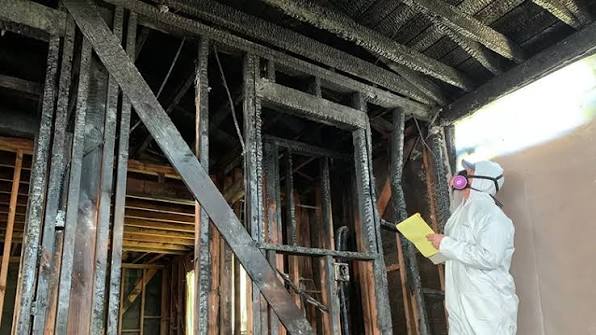
A house fire can change everything within minutes. Even a small kitchen fire can leave behind smoke, soot, water damage, and lingering odors that continue causing problems long after the flames are gone. Major Restorations understands how stressful this experience can be and helps property owners understand what professional fire damage restoration involves. Whether the damage is minor or extensive, knowing the restoration process helps homeowners and business owners make informed decisions and reduce long-term property damage.
Many people believe cleaning visible soot is enough after a fire. In reality, smoke particles travel through walls, ceilings, insulation, and HVAC systems. Restoration professionals follow industry standards developed by organizations such as the Institute of Inspection Cleaning and Restoration Certification (IICRC) to restore safety and improve indoor air quality. Professional emergency fire damage cleanup also prevents additional damage caused by acidic soot, moisture, and lingering smoke residue.
Why Fire Damage Restoration Should Begin Immediately
Time plays a major role after a fire. The longer soot and smoke remain on surfaces, the more permanent the damage becomes. Within hours, smoke residue can discolor walls, stain countertops, corrode metal fixtures, and damage electronics.
Professional restoration teams begin by securing the property before assessing structural conditions. Fast action also reduces secondary issues like mold growth caused by water used during firefighting efforts. In many restoration projects, water damage becomes almost as significant as the fire itself.
Experts recommend beginning cleanup within the first 24 to 48 hours whenever possible because early restoration often reduces replacement costs and improves the chances of saving personal belongings.
Hidden Damage Goes Beyond Burned Materials
Visible burn marks rarely show the full extent of the problem. Smoke particles move into ventilation systems, insulation, furniture, fabrics, and even electrical outlets.
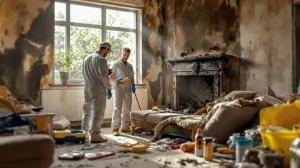
During one residential restoration project, only one bedroom experienced fire damage restoration services. However, smoke had traveled throughout the entire home, requiring odor removal and cleaning in every room before the property became safe for occupancy.
Understanding the Complete Fire Restoration Process
Every fire leaves behind different challenges. Restoration professionals customize the process depending on the fire’s size, building materials, and water exposure.
The first step involves inspecting the entire structure using moisture meters, thermal imaging equipment, and visual assessments. Professionals identify areas that require immediate stabilization before beginning repairs.
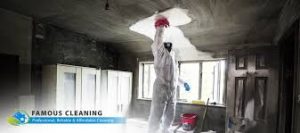
After inspection, crews remove damaged materials that cannot be restored safely. Salvageable surfaces receive specialized cleaning to eliminate soot and smoke residue without causing additional damage.
Air scrubbers equipped with HEPA filtration help capture microscopic smoke particles while industrial dehumidifiers remove moisture left behind after firefighting efforts.
Finally, structural repairs restore damaged walls, ceilings, flooring, insulation, cabinetry, and other affected building components until the property returns to its original condition.
Why Smoke Damage Requires Specialized Equipment
Smoke behaves differently depending on what burns. Wood, plastic, upholstery, wiring, and synthetic materials all create different residues requiring different cleaning techniques.
Professional restoration companies use thermal fogging, ozone treatment when appropriate, hydroxyl generators, and specialized odor-neutralizing products instead of simply masking unpleasant smells.
This approach removes odor at its source rather than covering it with fragrances.
Common Problems After a Fire
Fire damage rarely affects only one part of a property. Multiple restoration services usually work together throughout recovery.
Smoke damage often causes persistent odors, wall discoloration, and respiratory concerns if not cleaned correctly. Soot can permanently stain painted surfaces while acidic residue gradually corrodes appliances, plumbing fixtures, and metal hardware.
Water used to extinguish the fire may soak drywall, insulation, flooring, and framing. Without proper structural drying, mold colonies may begin developing within 24 to 48 hours under favorable conditions.
Electrical systems also require professional inspection before power is restored because damaged wiring creates additional safety hazards.
Residential and Commercial Restoration Needs
Homes and businesses often require different restoration strategies.
Residential projects focus on protecting family belongings, improving indoor air quality, and restoring living spaces.
Commercial restoration emphasizes minimizing operational downtime while maintaining workplace safety and protecting business equipment whenever possible.
Choosing the Right Fire Restoration Company
Not every contractor specializes in fire recovery. Choosing experienced restoration professionals can significantly improve both the restoration timeline and final results.
Look for companies with trained technicians, modern drying equipment, documented restoration procedures, and experience handling insurance claims. Certifications based on recognized restoration standards demonstrate additional technical knowledge.
Experienced professionals also document damage carefully through photographs, moisture readings, and written reports. This documentation often helps simplify communication with insurance providers throughout the claim process.
One challenge professionals frequently encounter is homeowners beginning cleanup before documentation is complete. While the intention is understandable, removing damaged items too early may complicate insurance evaluations.
Questions Worth Asking Before Hiring
Ask whether technicians perform complete smoke inspections, structural moisture testing, odor removal, and content restoration.
Understanding the full restoration scope helps avoid unexpected delays later in the project.
Preventing Long-Term Damage After Fire Cleanup
Restoration does not end when burned materials disappear. Long-term property protection depends on careful rebuilding and preventive maintenance.
Professionals inspect framing, insulation, drywall, flooring, ventilation systems, and electrical components before reconstruction begins. They also verify moisture levels meet acceptable standards to reduce future mold risks.
Many Fire Damage Restoration Services in Clearwater, FL companies recommend replacing insulation exposed to heavy smoke because odors often remain trapped inside porous materials even after cleaning.
Another valuable practice involves cleaning HVAC ductwork before restarting heating or cooling systems. This prevents smoke particles from circulating back into restored living spaces.
Property owners who follow professional recommendations often experience fewer recurring odor problems and better indoor air quality after restoration.
Insurance and Fire Damage Restoration
Insurance claims can feel overwhelming during an already stressful situation.
Professional restoration companies frequently assist with documentation by photographing damage, preparing detailed estimates, and recording affected materials. This organized information helps insurance adjusters evaluate claims more efficiently.
Although every insurance policy differs, early communication between homeowners, restoration professionals, and insurance representatives usually speeds up approval and repair timelines.
Keeping receipts, photographs, and written records throughout restoration also supports accurate claim documentation.
Conclusion
Recovering from a fire involves much more than replacing burned materials. Smoke, soot, moisture, and hidden structural issues all require professional attention to restore a safe, healthy environment. Professional fire damage restoration combines specialized equipment, technical knowledge, and proven restoration methods to return properties to their best possible condition.
If you experience a fire emergency, acting quickly makes a significant difference. Working with experienced professionals like Major Restorations helps reduce additional damage, improve indoor air quality, and simplify the recovery process. Prompt emergency fire damage cleanup gives homeowners and businesses the best opportunity to restore their property safely while protecting its long-term value.
FAQ’s
What does fire damage restoration include?
Fire damage restoration includes property inspection, soot removal, smoke cleanup, structural drying, odor removal, repairs, and rebuilding damaged areas. The process restores both safety and appearance after a fire.
How soon should fire cleanup begin?
Professionals recommend starting cleanup within 24 to 48 hours. Quick action reduces permanent smoke staining, corrosion, moisture damage, and unpleasant odors.
Can smoke damage remain after visible cleaning?
Yes. Smoke particles often settle inside insulation, ductwork, furniture, and wall cavities. Professional equipment removes hidden residue and lingering odors more effectively than household cleaning products.
Does water damage need treatment after a fire?
Yes. Water used during firefighting can soak building materials and create mold risks. Structural drying and moisture monitoring are essential parts of complete restoration.
Can fire-damaged furniture be restored?
Many items can be restored depending on the material and severity of damage. Restoration specialists evaluate furniture individually before recommending cleaning or replacement.
Will insurance cover fire damage restoration?
Many homeowner insurance policies cover fire-related restoration, although coverage varies. Proper documentation and professional inspection help support the insurance claim process.