The moments after a house fire are disorienting and overwhelming. The smell of smoke, the sight of damage, and the uncertainty of what comes next can feel paralyzing. In this guide, we provide clear, expert tips to help you navigate the recovery process in Pasco, FL, with confidence and less stress.
First Steps After a Fire Emergency
After the firefighters leave, the silence can be deafening. Your first instinct might be to rush inside and assess the damage, but the first 24 to 48 hours are about prioritizing safety and setting your recovery in motion. Knowing what to do after a house fire can make a significant difference.
- Prioritize Personal Safety: Your well being is the top priority. Do not re-enter your home until you have received official clearance from the Pasco County fire department. The structure could be unstable, and invisible hazards like toxic gases may linger.
- Contact Your Insurance Provider: Make this call as soon as possible. This action starts your claim and gets an adjuster assigned to your case, which is a critical first step toward funding your restoration.
- Secure the Property: A fire can leave your home vulnerable to weather and unauthorized entry. If it is unsafe for you to cover broken windows or damaged roofing, professional emergency restoration services can provide board-up and tarping. For immediate assistance with securing your property, you can find contact information for our certified team here.
- Arrange Temporary Housing: If your home is uninhabitable, you will need a safe place to stay. Organizations like the American Red Cross offer guidance and support for families displaced by fires, as outlined in their post-fire recovery resources.
Understanding the Scope of Damage
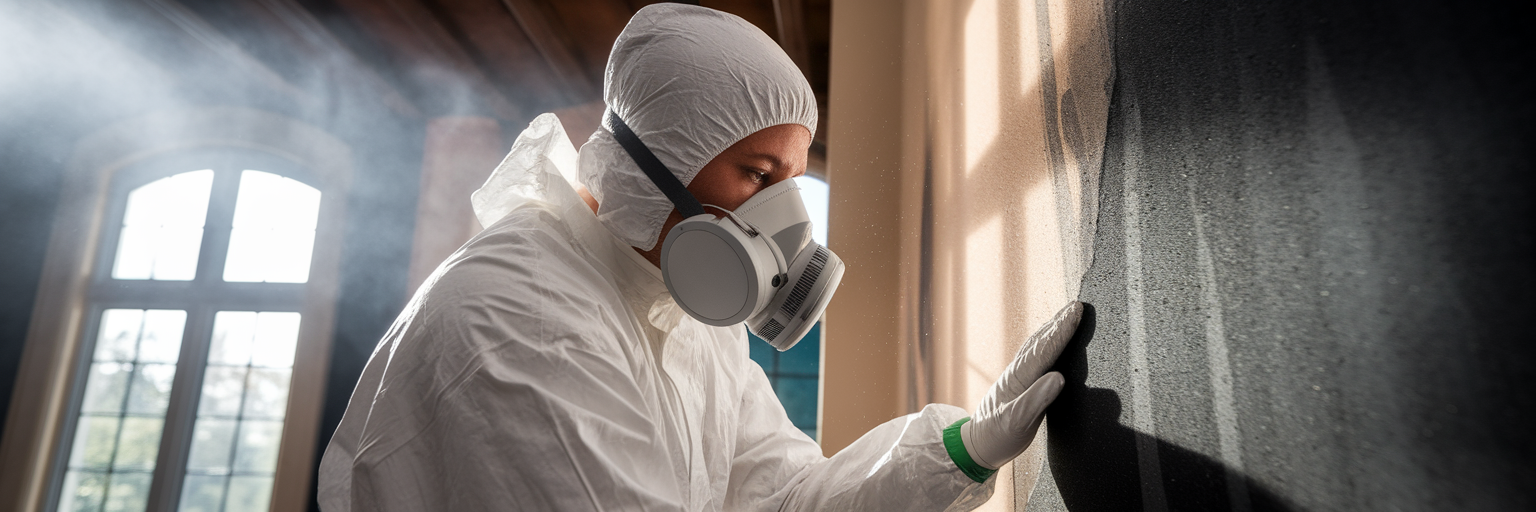
Once the immediate crisis is managed, it’s time to understand the full extent of the damage, which often goes far beyond what you can see. A fire impacts a home in multiple ways: through the heat itself, the pervasive smoke and soot, and often, the water used to extinguish the flames. This is why a professional assessment for smoke damage repair Florida is so important before any cleanup begins.
The type of smoke produced by a fire dictates the entire cleaning strategy. Professional assessors often use a framework similar to the one outlined in FEMA’s guidelines to classify the impact. Soot is not just one thing; its properties change based on what burned.
| Smoke Type | Source | Residue Characteristics | Cleaning Approach |
|---|---|---|---|
| Wet Smoke | Low-heat, smoldering fires (e.g., plastics, rubber) | Greasy, sticky, smeary residue with a strong odor | Requires specialized solvents and degreasers |
| Dry Smoke | High-temperature, fast-burning fires (e.g., paper, wood) | Fine, powdery, non-smearing residue | Can often be removed with HEPA-filtered vacuums |
| Protein Smoke | Evaporation of organic matter (e.g., kitchen fires) | Nearly invisible residue that discolors paints/varnishes | Requires specialized enzymatic cleaners to break down |
Understanding the specific nature of the residue is the first step in effective smoke damage restoration. For more details on how professionals tackle different types of soot, see our guide on smoke damage restoration.
The Professional Restoration Process
Once the situation is assessed, the real work of bringing your home back to life begins. Professional fire and smoke restoration Pasco FL is a systematic process designed to be thorough and efficient, addressing damage you can see and, more importantly, damage you can’t. It’s far more than a simple cleaning job; it’s a technical operation that ensures your home is safe and healthy again. Here’s what you can expect from professional home fire cleanup services:
- Assessment and Debris Removal: The process starts with a detailed inspection to create a scope of work. Technicians then carefully remove any non-salvageable materials and debris to clear the way for deep cleaning and repairs. This step is crucial for identifying all affected areas.
- Soot and Smoke Removal: This is where the expertise truly shows. Certified technicians use specialized cleaning agents and techniques to meticulously clean all surfaces, from walls and ceilings to flooring and personal belongings. The method used is matched to the type of soot identified earlier.
- Advanced Equipment Usage: Professional restoration relies on powerful technology. HEPA-filtered air scrubbers are used to capture airborne particles and purify the air. Ultrasonic cleaners can restore delicate items that might otherwise be lost, and thermal fogging is used to neutralize stubborn odors embedded deep within porous materials like wood and drywall.
- HVAC System Decontamination: Your home’s ductwork can act like a circulatory system for soot and smoke particles. A critical step is to thoroughly clean and decontaminate the entire HVAC system to prevent contaminants from being redistributed throughout the house once you turn the system back on.
This multi-stage process is central to professional fire damage restoration, ensuring every aspect of the damage is addressed. You can learn more about our complete approach to restoring homes.
Navigating Your Insurance Claim Smoothly
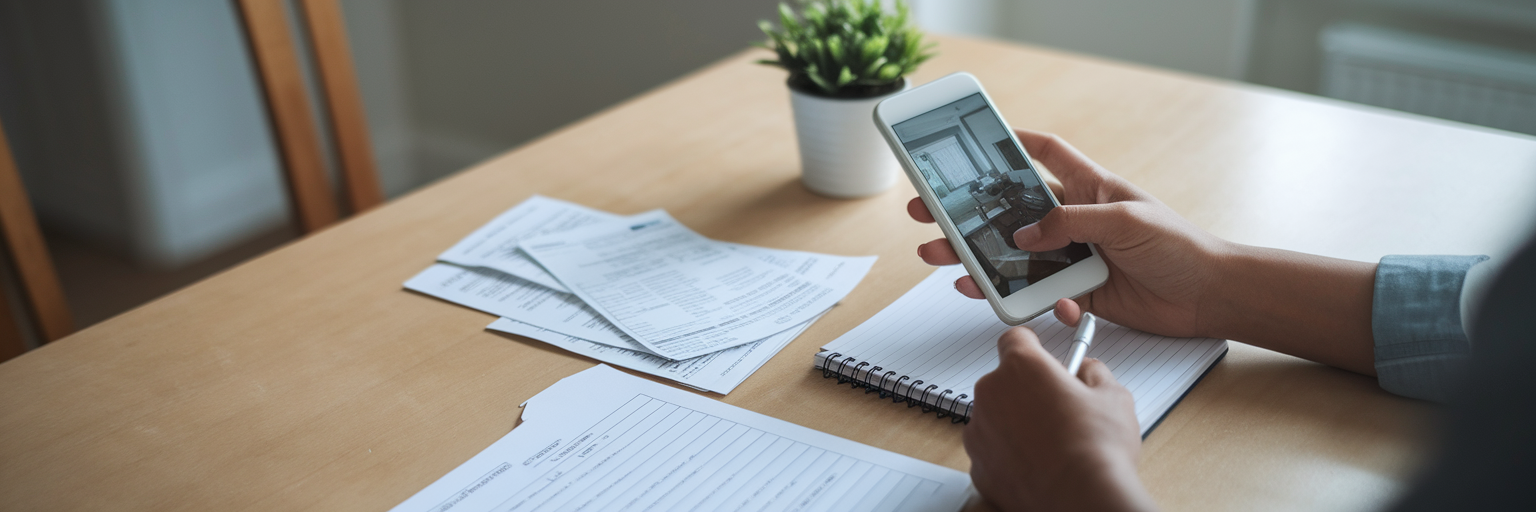
Dealing with an insurance claim adds a layer of financial and administrative stress to an already difficult situation. However, with the right approach, you can manage this process effectively and ensure you receive a fair settlement. The key is documentation. Think of yourself as a detective building a case for your claim. The more detailed your evidence, the smoother the process will be.
Thorough documentation is not just helpful; it’s impactful. A 2024 analysis from Rocket Homes found that homeowners with a detailed inventory can see their claims settled up to 45% faster. Start creating a home inventory list that includes:
- Photos and videos of damaged items
- Serial numbers for electronics and appliances
- Original purchase prices and dates, if known
- Receipts or bank statements as proof of purchase
A common point of confusion is understanding what constitutes “covered smoke damage.” A professional restoration company can be your best advocate here. They provide the insurance adjuster with detailed reports, moisture readings, and photographic evidence that justify the scope of work. This documentation provides the necessary Pasco County fire damage help by bridging the gap between what you see and what the insurer needs to approve. Sometimes, the restoration company’s estimate and the insurer’s initial scope of work may differ. Partnering with an established company that understands the local insurance landscape is key. To learn more about our commitment to transparent and fair practices, you can read about our team.
Ensuring a Safe and Healthy Home Post-Restoration
The goal of restoration is not just to make your home look the way it did before. It is to return you to a space that is structurally sound, clean, and genuinely healthy for your family. Improper cleanup can leave behind hidden dangers. For example, invisible contaminants like polycyclic aromatic hydrocarbons (PAHs) can linger in soot residue and pose long-term health risks if not properly remediated.
This is why the final steps of a professional restoration are so important. Reputable companies will recommend or perform final clearance testing to verify the home is safe.
Choosing a certified contractor who guarantees their work provides the ultimate peace of mind. It’s a promise that the restoration was completed to the highest standards. After the stress and disruption of a fire, you deserve to walk back into your home with full confidence in its safety. Ensuring your home is safe for your family’s return is our highest priority. As a dedicated provider for the community, we are committed to restoring homes throughout the area. Learn more about our services in Pasco, FL.