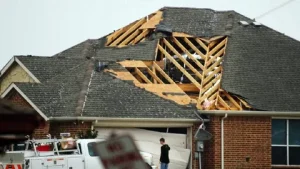
Discovering water in your home is a moment of disbelief that quickly turns to panic. Whether it’s from a burst pipe or the aftermath of a fierce Florida storm, the sight of water spreading across your floors is overwhelming. In these first critical moments, knowing what to do can significantly limit the damage. This guide provides clear, immediate steps for Manatee County homeowners facing water intrusion.
Immediate Steps for Water Damage Control
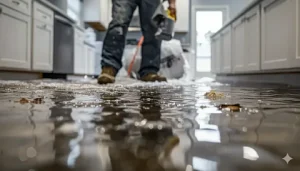
Before any professional help arrives, your actions can make a substantial difference. The first question on your mind is likely, what to do after house floods? Your immediate priorities should be safety and containment. Here’s where to start.
First, prioritize safety above all else. Water and electricity are a lethal combination. If you can safely access your home’s breaker box from a dry area, shut off the main power. Do the same for the gas line if you suspect a leak. Floodwater, especially after a storm in Manatee County, can be highly contaminated. The U.S. Environmental Protection Agency warns that it can contain bacteria and other hazardous materials. Avoid contact with it whenever possible.
Next, identify and stop the water source if you can. For an internal issue like a burst pipe, shutting off your home’s main water valve is the solution. If the flooding is from an external source like a storm, your focus shifts to containment. Use towels, blankets, and plastic sheeting to create barriers and prevent water from spreading to unaffected areas of your home.
With the immediate threat managed, move furniture, electronics, and irreplaceable sentimental items to higher ground. The humid Florida climate accelerates damage, so getting valuables out of harm’s way is critical. Before entering the affected area, the EPA recommends wearing personal protective equipment, including an N-95 respirator, waterproof gloves, and protective eyewear to avoid exposure to contaminants. These initial steps are part of a larger process, and understanding the full scope of professional water damage restoration in Manatee, FL can provide additional peace of mind.
The Financial Impact of Delayed Cleanup
After taking those first crucial safety measures, the clock starts ticking. In property restoration, time directly translates to cost. The initial water intrusion is just the beginning; the secondary damage that follows is what truly drives up repair bills. Waiting even a day can turn a manageable problem into a financial catastrophe.
In Florida’s humid environment, moisture creates the perfect breeding ground for mold. Within 24 to 48 hours, mold spores can colonize damp drywall, wood, and carpeting, introducing a serious health hazard and a much more complex cleanup process. What starts as simple water extraction can quickly escalate into the need for extensive mold remediation and structural repairs. This is particularly true for flood damage repair in Manatee County, where storm surges can introduce highly contaminated water that accelerates decay.
Quick action not only minimizes costs but also preserves your home’s structural integrity and value. Addressing water damage immediately is the single most effective way to protect your investment. The consequences of storm-related flooding can be severe, which is why specialized Florida storm damage cleanup is essential.
| Timeframe | Primary Damage | Secondary Risks & Escalating Costs |
|---|---|---|
| First 24 Hours | Water absorption into drywall, flooring, and furniture. | Minor, manageable damage. Cleanup is most effective and affordable. |
| 24-48 Hours | Drywall begins to swell and crumble. Wood floors warp. | Mold and mildew colonization begins in the humid environment. Odors become noticeable. Remediation costs increase. |
| 48-72 Hours | Structural components (studs, subfloors) absorb moisture. | Significant mold growth. Potential for serious structural issues. Requires more extensive demolition and repair. |
| 1 Week+ | Widespread structural damage. Severe mold contamination. | Property may become structurally unsound. Health risks are high. Restoration costs can multiply, potentially leading to total loss. |
This table illustrates how water damage progresses in Florida’s climate. The data emphasizes that immediate professional intervention is critical to minimizing costs and protecting the property’s structural integrity.
Documenting Damage for a Smooth Insurance Process
With the immediate situation under control, your next focus should be the insurance claim. Meticulous documentation is your best tool for preventing disputes and ensuring a smooth process. Being organized and thorough from the start empowers you to be your own best advocate.
- Report Immediately: Contact your insurance agent as soon as possible, ideally within 24 hours of discovering the damage. Many policies require prompt notification. This action officially starts the claims process and can give you access to funds for temporary lodging if your home is uninhabitable.
- Create a Visual Record: Before anything is moved or repaired, take extensive photos and videos. Capture wide shots of every affected room and then zoom in for close-ups of damaged items, saturated carpets, and warped baseboards. Do not discard any damaged items until your insurance adjuster has inspected them, as they serve as physical proof for your claim.
- Maintain a Communication Log: Keep a simple notebook or digital file to log every interaction with your insurance company. For each call or email, note the date, time, the representative’s name, and a brief summary of the conversation. This log becomes an invaluable reference if disagreements or confusion arise later.
- Organize All Receipts: Save every receipt for expenses related to the water damage. This includes costs for tarps, cleaning supplies, temporary repairs, and even hotel stays and meals if you’re displaced. These expenses are often reimbursable under your policy.
Finding a Reputable Restoration Partner in Manatee County
In the chaotic aftermath of property damage, homeowners are vulnerable. Unfortunately, the Bradenton area is not immune to contractor fraud, especially after a major storm. Choosing the right restoration partner is about more than just fixing the damage; it’s about protecting yourself from scams and ensuring the job is done correctly.
Knowing the red flags is the first step in avoiding contractor fraud in Florida. Be wary of any company that:
- Demands large upfront cash payments or the full amount before work begins.
- Uses high-pressure sales tactics or offers “today only” deals.
- Lacks a physical office, branded vehicles, or a professional online presence.
- Presents a vague or incomplete contract without a detailed scope of work.
Instead, focus on positive verification steps to find a trustworthy professional. First, verify their credentials. Use the Florida Department of Business & Professional Regulation (DBPR) online portal to confirm that the contractor holds a valid license and carries the required insurance. This is a non-negotiable step.
Next, look for IICRC certification. The Institute of Inspection, Cleaning and Restoration Certification is the industry’s standard-setter for training and ethics. A firm with IICRC-certified technicians has proven its commitment to quality and professional conduct. Finally, prioritize local experience. A company familiar with Manatee County’s building codes and climate challenges can provide a more effective and compliant emergency water cleanup in Bradenton. Local experts, like those on our dedicated team, understand the specific issues homeowners face here and are invested in the community’s well-being.
The Professional Restoration Workflow Explained
Once you’ve chosen a certified restoration partner, their team will take over, allowing you to focus on your family and recovery. Understanding their process can provide reassurance that your home is in capable hands. A professional workflow is systematic and driven by science, not guesswork.
The process begins with a thorough assessment and moisture mapping. Experts use tools like infrared cameras and moisture meters to detect all hidden pockets of water. This is like an X-ray for your home, revealing moisture trapped behind walls or under floors that would otherwise be missed, leading to future mold problems.
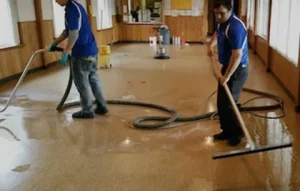
Next comes water extraction and drying. This phase involves industrial-grade pumps to remove standing water, followed by powerful air movers and commercial dehumidifiers. This equipment works together to create an environment that rapidly pulls moisture out of the structure and the air, far more effectively than household fans or a rented dehumidifier.
With the structure drying, the team focuses on sanitizing and treatment. They apply EPA-approved antimicrobial agents to affected surfaces to prevent the growth of mold, bacteria, and other microorganisms. This step is vital for ensuring a safe and healthy living environment post-restoration.
Finally, the job isn’t finished until it’s verified. Through continuous monitoring and verification, technicians use moisture meters to confirm that the affected materials have returned to their normal, pre-loss dry standard. This commitment to measurable results is a hallmark of professional water damage restoration in Manatee, FL. If you need immediate, expert assistance, contact our team to begin the recovery process today.