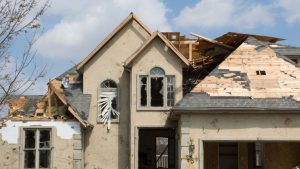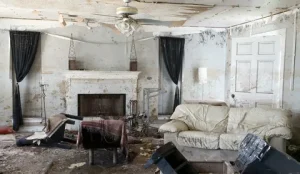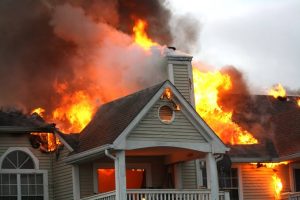
Living in Clearwater means enjoying coastal beauty, but it also brings the reality of hurricanes and sudden floods. When water rises or smoke clears, the sight of a damaged home can be overwhelming. In that moment of stress, it is easy to feel paralyzed.
However, the first decision you make is the most important one for your property’s recovery. Choosing the right contractor sets the entire tone for the restoration process. This guide is designed to help Clearwater residents move from a state of panic to one of proactive control. It provides clear, actionable steps to identify reputable professionals and avoid the opportunistic individuals who often surface after a storm. Your goal is to find a partner who will restore your home, not add to your stress.
Confirming Essential Licenses and Insurance
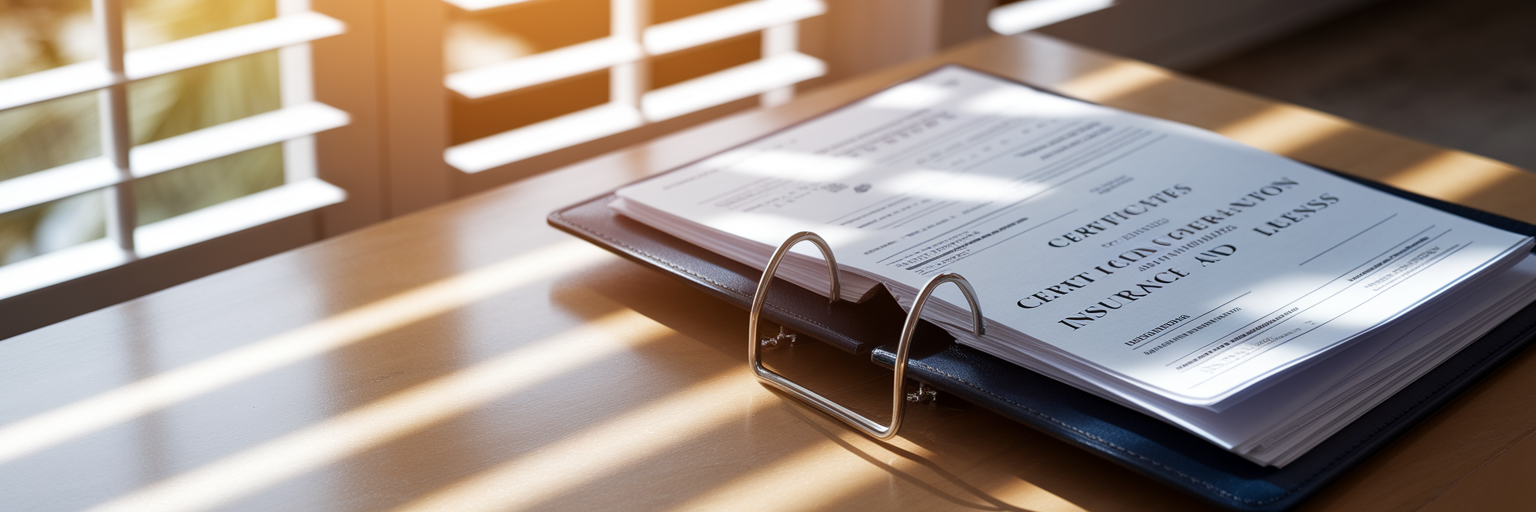
Before you discuss the scope of work or get an estimate, your first checkpoint is verifying credentials. This step is not about the quality of work. It is about protecting yourself from legal and financial liability. A contractor without the proper paperwork can leave you responsible for on-site accidents or non-compliant repairs that must be redone at your own expense.
A legitimate licensed restoration contractor in Florida will readily provide these documents. For any work in Clearwater, you must confirm:
- A valid license that can be verified through the Pinellas County Construction Licensing Board (PCCLB).
- A certificate of insurance where the business name is an exact match to the one on the license.
- Proof of Florida-valid workers’ compensation insurance.
- USL&H (Longshore and Harbor Workers’ Compensation Act) insurance, which is critical for any work performed near Clearwater’s coastal waterways.
According to the Pinellas County Construction Licensing Board, contractors must submit specific insurance documentation to remain compliant. Any hesitation to provide these documents is a significant red flag. A professional has nothing to hide.
| Vetting Criteria | What to Look For (Qualified Contractor) | What to Avoid (Red Flag Contractor) |
|---|---|---|
| Licensing | Provides a verifiable PCCLB license number | Is unlicensed, has an expired license, or is hesitant to share it |
| Insurance | Shows proof of general liability and workers’ comp | Cannot provide an insurance certificate or it doesn’t match the business name |
| Local Presence | Has a permanent, physical office in the Clearwater area | Uses a P.O. box or has no local address |
| Estimate | Provides a detailed, itemized written estimate | Offers a vague, verbal quote or demands a large cash deposit upfront |
| Communication | Answers questions clearly and professionally | Uses high-pressure sales tactics or avoids direct answers |
The Importance of Professional Certifications
With licensing and insurance confirmed, the next step is to evaluate expertise. While a license grants legal permission to work, a certification demonstrates a commitment to industry standards and proven skill. This is the difference between a generalist and a specialist.
Look for contractors with technicians certified by the Institute of Inspection, Cleaning and Restoration Certification (IICRC). This is the gold standard in our industry. An IICRC-certified team is trained in the most current and effective methods for handling specific types of damage. For example, they know how to properly extract water to prevent hidden mold growth and understand the chemistry needed for effective smoke residue removal. Professional fire damage repair in Clearwater requires this specialized knowledge to ensure the property is truly safe and clean, not just superficially repaired.
Why a Local Track Record Matters
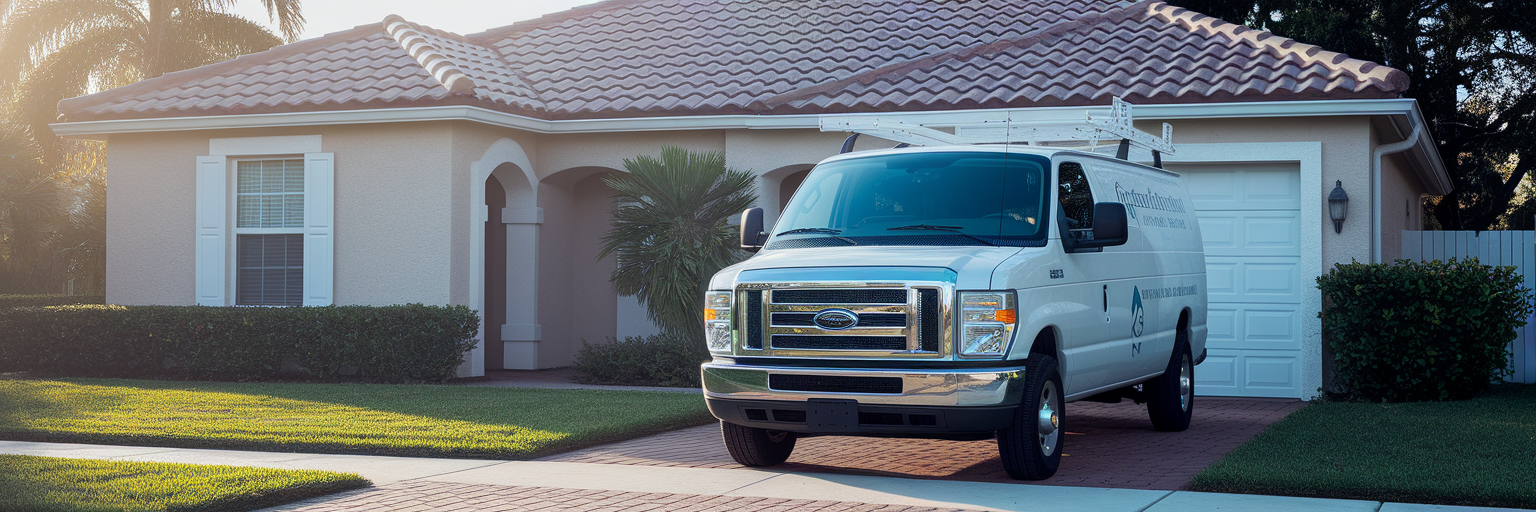
After a major storm, Florida homeowners often encounter “storm chasers.” These are out-of-state contractors who arrive quickly, perform substandard work with cheap materials, and disappear just as fast, leaving you with no recourse when problems arise. This is why a local presence is about more than just convenience. It is about accountability.
A contractor with a permanent, physical office in the Clearwater area has a reputation to uphold within the community. They are invested in their work because their name is on it. Ask for a portfolio of local jobs or references from Pinellas County. This proves they are familiar with local building codes, common construction materials, and the unique challenges of our climate, like managing humidity during Clearwater storm damage cleanup. A warranty is only as strong as the company backing it. A local contractor will be there to honor their commitments, and you can often see the quality of their work in a gallery of our completed projects.
Navigating Insurance Claims with an Expert Partner
The physical damage to your property is only half the battle. The insurance claims process can feel like a second disaster, filled with confusing paperwork and negotiations. A truly great contractor does more than just repairs. They act as your advocate.
An experienced restoration partner understands how to work with insurance companies. They will meticulously document all damage with photos, moisture readings, and detailed notes. They communicate with adjusters using industry-standard terminology and software to ensure nothing is overlooked. This expertise helps justify the scope of work, which can maximize your claim and speed up reimbursement. As the Consumer Financial Protection Bureau warns, homeowners should be cautious after a disaster. Partnering with a contractor who understands the claims process is a key defense, turning a stressful ordeal into a managed recovery.
Understanding Clearwater’s Flood and Building Regulations

Hiring a contractor who is unfamiliar with Clearwater’s specific regulations can lead to disastrous and expensive consequences. This is where a true local expert proves their worth. For example, are they aware of the FEMA 50% Rule? This federal regulation states that if a property in a designated flood zone requires repairs costing more than 50% of its market value, it must be elevated or brought up to current floodplain management codes. An uninformed contractor could unknowingly trigger this rule, leaving you with an unexpected and massive financial burden.
Furthermore, a knowledgeable contractor will be familiar with local policies like Florida’s emergency permit extension provisions, which can help manage project timelines after a widespread disaster. Hiring one of the damage restoration contractors in Clearwater, FL, who understands these rules is not a luxury. It is essential for protecting your budget and ensuring your property is restored legally. As detailed in Clearwater’s own storm recovery guidelines, compliance is a critical part of the rebuilding process.
Evaluating Responsiveness and Public Reputation
When your property is damaged, time is critical. Water spreads, mold can begin to grow within 24 to 48 hours, and smoke odor permeates porous materials. A contractor’s responsiveness is a direct indicator of their professionalism and ability to mitigate further damage. For situations like emergency water damage in Clearwater, FL, you need a company that offers 24/7 availability.
While speed is important, it should not come at the expense of thoroughness. The initial consultation should be professional and transparent, not rushed. Beyond their response time, check their public reputation. Look at online reviews, but pay special attention to their standing with the Better Business Bureau (BBB). A high rating and BBB accreditation are strong signals of trustworthiness. A fast response is only valuable when it is backed by a solid reputation and clear communication. A reliable company makes it easy to get in touch, with a clear path to contact us for immediate help.
Making Your Final Decision with Confidence
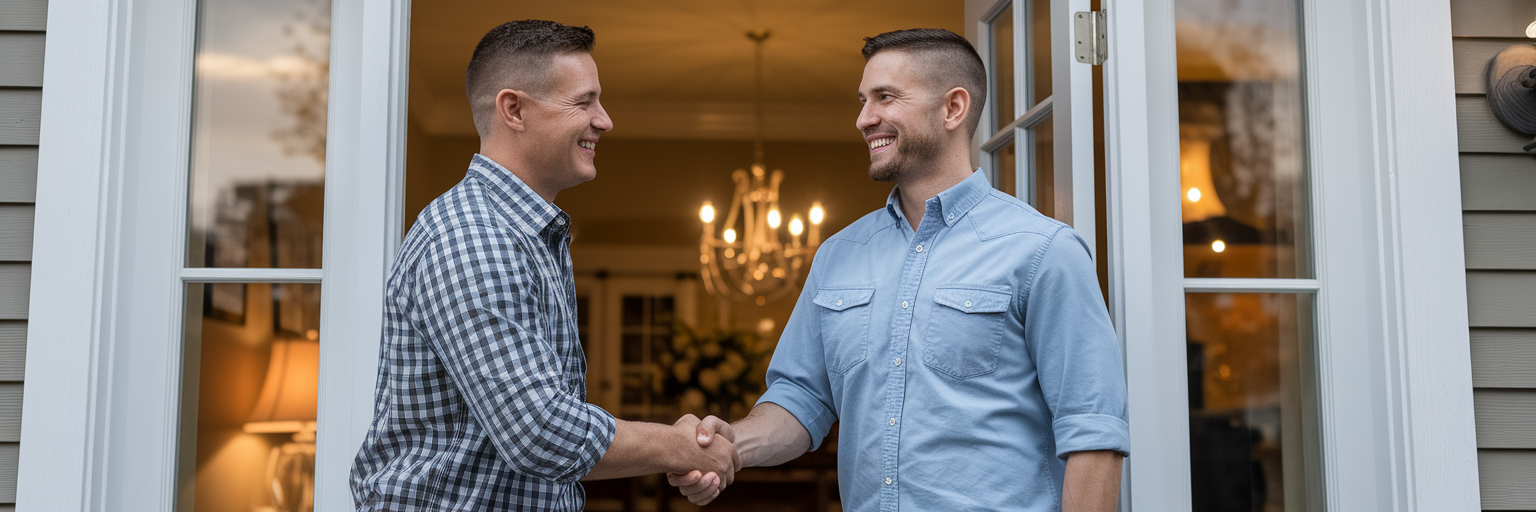
Choosing a restoration contractor is a significant decision. By now, you should have a clear picture of what separates an expert partner from a risky bet. Here is a final checklist for how to choose a restoration company in Clearwater:
- Verified licensing and full insurance coverage.
- IICRC certification for proven expertise.
- A strong local reputation with a physical office.
- Experience navigating insurance claims.
- Knowledge of Clearwater’s building and flood regulations.
Get at least two written estimates, but remember that the lowest bid is rarely the best value. Your decision should be based on expertise, professionalism, and trustworthiness. By following these steps, you can confidently select a partner who will restore not just your property, but also your peace of mind. You can explore the comprehensive solutions we offer to begin your recovery journey.