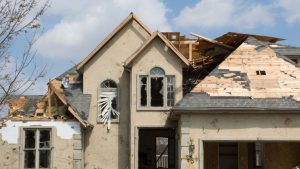
After a storm passes, the silence can be just as unsettling as the wind and rain. For Clearwater homeowners, this is the moment when recovery begins. The path forward can feel overwhelming, but with a clear plan, you can protect your property and restore your peace of mind. This guide provides the essential steps for navigating the aftermath safely and effectively.
Immediate Steps After a Storm Hits
In the chaotic moments following a storm, your first priority is non-negotiable: personal safety. Do not return to your property until local authorities have given the all-clear. The most immediate dangers are often invisible. Downed power lines can electrify standing water, a common sight in Florida, creating a lethal hazard. The smell of gas could signal a leak, and displaced wildlife, from snakes to alligators, may have sought refuge in floodwaters or debris.
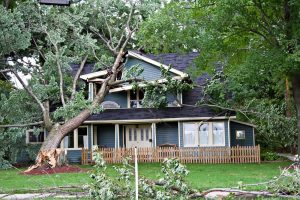
Once it is safe to return, conduct a careful inspection, starting from the outside. Before you begin, put on protective gear, including sturdy boots, heavy gloves, and an N95 mask to avoid inhaling contaminants. Look for major structural problems like a sagging roofline or cracks in the foundation. If you see significant damage, do not enter.
If the structure appears stable, proceed with caution. The most critical step before any cleanup starts is documentation for your insurance claim. Take extensive photos and videos of everything. Capture wide shots of each room and close-ups of specific damage to both the structure and your personal belongings. This visual evidence is your most powerful tool for a smooth claims process.
| Potential Hazard | What to Look For | Immediate Action |
|---|---|---|
| Electrical Hazards | Flickering lights, buzzing sounds, frayed wires, submerged outlets. | Do not enter standing water. Shut off the main breaker if you can do so safely from a dry location. Call an electrician. |
| Gas Leaks | A ‘rotten egg’ smell, hissing sounds near gas lines. | Evacuate immediately. Do not use phones or light switches. Call the gas company from a safe distance. |
| Structural Damage | Cracked foundation, sagging roof, broken trusses, walls that are bowed or leaning. | Do not enter the building. The structure could be unstable and at risk of collapse. |
| Contaminated Water | Murky, discolored floodwater that may contain sewage, chemicals, or debris. | Avoid all contact. This water can carry dangerous bacteria and pathogens. |
Securing Your Home and Preventing Further Harm
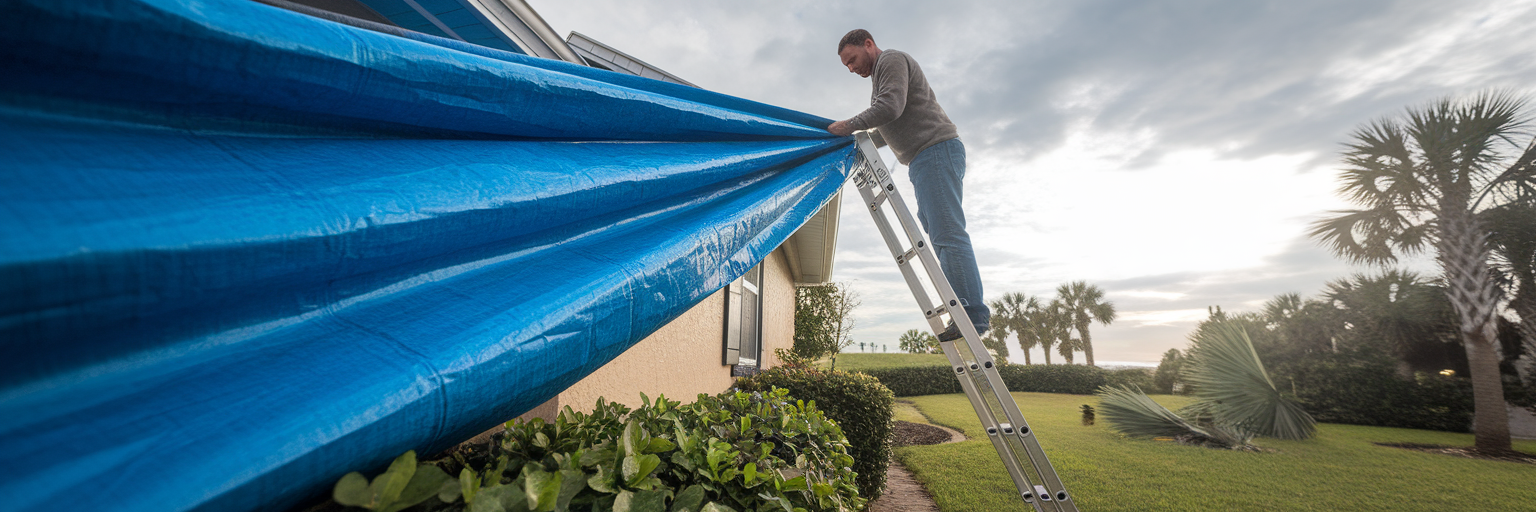
With your initial safety checks and documentation complete, the next goal is to prevent existing damage from getting worse. This is called emergency mitigation, and it involves taking immediate, temporary measures to protect your home. If you can do so safely, covering a damaged roof with a tarp can stop more water from pouring in. Boarding up broken windows and doors secures your property from the elements and potential intruders.
In Florida’s humid climate, you are in a race against mold. It can begin to grow within 24 to 48 hours of water intrusion. For manageable amounts of water, you can start the initial home water damage repair in Florida yourself. Use a wet-dry vacuum to remove standing water from floors. Afterward, focus on creating airflow. Open windows if it is safe and the humidity outside is lower than inside. Position fans to circulate air and use dehumidifiers to pull moisture from the room.
You will also need to make quick decisions about your belongings. Some items, like mattresses, upholstered furniture, and particleboard that have been saturated with floodwater, are often unsalvageable due to contamination. Move salvageable items like solid wood furniture and plastics to a dry, secure location. While these first steps can slow the damage, complete water damage restoration requires specialized equipment to prevent long-term issues like structural rot and persistent mold.
The Professional Restoration Process Explained
Once you have handled the immediate triage, it is time to bring in certified professionals. Understanding their process can reduce stress and set clear expectations for your property’s recovery. A reputable company follows a structured approach to ensure nothing is missed.
The typical stages of professional emergency storm restoration services include:
- Detailed Assessment and Estimate: Experts inspect the full extent of the damage and provide a comprehensive plan and cost estimate.
- Water Extraction and Debris Removal: Industrial-grade pumps and vacuums are used to remove bulk water, followed by the safe removal of debris.
- Structural Drying and Dehumidification: High-velocity air movers and commercial dehumidifiers are strategically placed to dry the structure, including hidden moisture in walls and floors.
- Cleaning, Sanitizing, and Smoke Odor Removal: All affected surfaces are cleaned and sanitized. Specialized techniques are used to eliminate lingering odors from smoke or mold.
- Reconstruction: The final phase involves repairing or rebuilding damaged parts of your home, from replacing drywall to installing new flooring.
In a climate like Clearwater’s, professional mold remediation is not just a suggestion; it is a necessity for your health. Certified technicians establish containment zones to prevent spores from spreading, use HEPA air scrubbers to purify the air, and follow strict protocols for disposing of contaminated materials. This distinction between restoration (cleanup) and reconstruction (rebuilding) is important. A full-service company will manage every aspect of your recovery, from initial cleanup to final repairs, offering complete storm damage restoration solutions.
Navigating Insurance and Financial Aid in Florida
The financial side of storm recovery can be just as challenging as the physical cleanup. Knowing how to manage your insurance claim and access available aid is critical for a less stressful process.
Filing Your Insurance Claim Effectively
When you are learning how to file a hurricane damage claim, organization is your best friend. Have the photos and videos you took ready for your insurer. Be present when the insurance adjuster visits your property to answer questions and point out damage they might miss. Keep a detailed log of every phone call, email, and conversation with your insurance company, including the date, time, and person you spoke with. For extensive or disputed claims, hiring a public adjuster can be a worthwhile investment.
Leveraging Pinellas County and State Resources
Your insurance policy may not cover everything. Fortunately, there is often Pinellas County storm recovery help available. As highlighted by local authorities, Pinellas County provides real-time updates on shelters, debris cleanup, and financial assistance through its dedicated storm recovery portal. State-level programs like Rebuild Florida can also offer grants to homeowners for rebuilding and recovery, so be sure to check for eligibility after a declared disaster.
Understanding Mitigation Subsidies like Elevate Florida
Proactive measures are also supported. Programs like Elevate Florida provide subsidies to help homeowners strengthen their properties against future storms. This can include funding for roof upgrades or impact-resistant windows, and you may be eligible even without prior damage.
The FEMA ‘50% Rule’ for Flood-Prone Properties
If your home is in a designated flood zone and is substantially damaged, be aware of the FEMA “50% Rule.” This regulation can limit repairs to 50% of your home’s pre-storm market value. Understanding this rule early on is crucial for budgeting your reconstruction accurately. Navigating these steps can be overwhelming, so do not hesitate to contact us for guidance through the process.
Choosing a Reliable Clearwater Restoration Contractor
The contractor you hire will determine the quality and speed of your recovery. In the rush to rebuild, it is easy to make a hasty decision. However, vetting your options is essential to avoid poor workmanship and scams. Look for a contractor who meets these key qualifications for storm damage cleanup in Clearwater, FL.
- Credentials and Certification: Your contractor must have a valid Florida state license, full liability and worker’s compensation insurance, and certifications from the Institute of Inspection, Cleaning and Restoration Certification (IICRC). This proves their expertise and protects you from liability.
- Local Experience: A contractor with deep roots in the community brings invaluable knowledge of Clearwater’s building codes, humidity challenges, and storm patterns. They also have established relationships with local suppliers, which can prevent delays. A commitment to the area is something you can learn more about from our team.
Just as important is knowing the red flags to avoid. Be wary of any contractor who demands a large cash payment upfront, uses high-pressure sales tactics to rush your decision, or is unable to provide a physical business address and a detailed, written contract. A true professional will offer transparency, expertise, and a clear plan to get you back into your home safely.