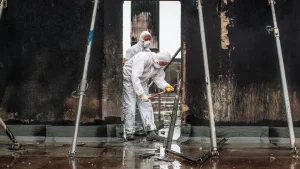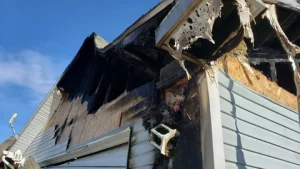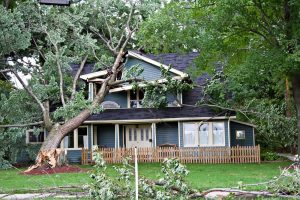
Florida’s hurricane season is a familiar reality, but the moments after a storm passes are often the most disorienting. For Pinellas County residents, knowing the right first steps is critical to ensuring safety and beginning the road to recovery.
Before you even think about the damage, your first priority is personal safety. Emergency responders in Pinellas County cannot operate when winds exceed 40-50 mph, so you must wait for an official all-clear. Once you get it, proceed with extreme caution. Knowing what to do after hurricane damage starts with these three non-negotiable checks:
- Wait for the Official All-Clear: Stay indoors until authorities announce it is safe. Rushing outside too soon exposes you to lingering high winds and hazardous conditions.
- Watch for Invisible Dangers: Treat all downed power lines as live. Also, avoid contact with floodwater, which can be contaminated with sewage, chemicals, and sharp debris.
- Inspect Your Property from the Outside: Before re-entering, walk around the perimeter. If you smell gas or see obvious structural damage like a sagging roofline or cracked foundation, do not enter the building.
Documenting Damage for Insurance and Financial Aid

Once you have confirmed it is safe to be on your property, the next critical step is to document everything. This methodical approach is your foundation for a smooth insurance claim and any potential applications for financial aid. We have all felt that urge to start cleaning up immediately, but resist it. Moving things can compromise your claim.
Follow this process to create a clear record of the storm’s impact:
- Photograph and Video Everything First: Before you move or discard a single item, use your phone to take extensive photos and videos. Capture wide shots of each room to show the overall scope of damage, then take close-ups of specific issues like water lines on walls, damaged appliances, and broken windows.
- Create a Detailed Inventory: Make a list of all damaged personal and structural items. For appliances and electronics, note the brand, model number, and approximate age. This detailed list will make filling out insurance forms much more straightforward.
- Keep All Receipts: Any money you spend on immediate needs, such as tarps, batteries, temporary lodging, or even food if you are displaced, should be tracked. These out-of-pocket expenses are often reimbursable under your policy.
- Contact Your Insurance Agent: With your initial documentation prepared, you can now make the call. Presenting them with a clear, organized record of the damage from the start positions you for a more efficient claims process. Reviewing examples of documented damage from past restoration projects, like those in our project gallery, can provide a clear idea of what your insurer will need to see.
Taking Steps to Mitigate Further Property Damage
While you wait for professional help, there are a few temporary measures you can take to prevent the damage from getting worse. These actions are about mitigation, not repair, and should only be performed if you can do so without any risk to your safety. Think of it as applying a bandage, not performing surgery.
Here are a few safe, temporary steps to consider:
- Cover Damaged Areas: If you can do so safely from the ground, cover broken windows with plastic sheeting or plywood. You can also place tarps over a damaged roof to help prevent more water from entering your home. Never climb onto a wet or unstable roof.
- Address Standing Water: If the power is safely off and you have a wet/dry vacuum, you can begin removing standing water. For damp carpets and furniture, open windows to promote air circulation and slow mold growth. This is a crucial first step in any emergency water damage repair FL situation.
- Secure Loose Items Outside: After a storm, Pinellas County officials advise residents to secure any loose items in their yard that could become projectiles in lingering winds or hinder cleanup crews.
Just as important is knowing what not to do. Avoid attempting major repairs, using a chainsaw to trim large branches, or starting any demolition. Tasks like structural assessment and debris removal require specialized equipment and training, which is why professional storm damage restoration is essential for a safe and complete recovery.
Connecting with Pinellas County’s Recovery Resources

Beyond your own property, connecting with official local resources is a key part of the recovery process. After the 2024 hurricane season, which brought storms like Helene and Milton, Pinellas County further streamlined its public information systems to help residents. The primary hub for official information is recover.pinellas.gov. You can also text the word RECOVER to 888-777 for updates.
It is important to understand the different roles of local and federal agencies. County resources are your first stop for information on debris removal schedules, local assistance programs, and permitting. Federal agencies like FEMA typically step in after a major disaster declaration to provide individual assistance and grants. The Pinellas County storm recovery process is designed to be your most immediate source of help.
For debris collection, the county requires residents to separate materials into distinct piles: one for vegetation (branches, logs), one for construction materials (drywall, fencing), and one for appliances. Separating them correctly speeds up collection for the entire neighborhood. Looking ahead, the county’s ‘Build Smart’ initiative provides resources for rebuilding stronger and more resiliently. As Pinellas County details on its website, it has established dedicated resources for storm recovery permitting to expedite rebuilding efforts for homeowners and businesses.
Navigating Permits and Hiring Licensed Contractors
With the immediate aftermath managed, the path to rebuilding involves navigating permits and choosing the right professionals. Before any significant repairs can begin, you will likely need a storm-damage permit from your local municipality. This ensures the work is done to code and is structurally sound. Some cities, like Dunedin, have streamlined this process to a 3-5 business day turnaround for minor permits.
For properties in designated floodplains, a critical regulation to understand is the FEMA 50% Rule. It is a common point of confusion for homeowners, so here is a simple breakdown:
| Factor | Explanation | What It Means for You |
|---|---|---|
| What is ‘Substantial Damage’? | Your property is deemed ‘substantially damaged’ if the cost of repairs is 50% or more of its pre-damage market value. | This triggers specific, mandatory rebuilding requirements. |
| How is Market Value Determined? | This value is determined by your local floodplain administrator, often based on property tax assessments or a certified appraisal. | It is not the same as what you paid for the home or its current real estate listing price. |
| What is Required if Substantially Damaged? | The entire structure must be brought into compliance with current floodplain management regulations, which often means elevating the building. | Your repair project essentially becomes a major renovation or complete rebuild, significantly impacting cost and timeline. |
Note: This rule is a federal requirement enforced by Pinellas County and its municipalities. Always confirm with your local building department before starting repairs.
This complexity is why it is vital to hire licensed restoration contractors Florida. Always verify a contractor’s license with the Pinellas County Construction Licensing Board (PCCLB) before signing any contract. Verifying a company’s history and credentials is a crucial step; you can learn more about our commitment to certified, professional service.
Managing Restoration Costs and Avoiding Scams
The final piece of the puzzle is managing the financial side of restoration while protecting yourself from scams. Unfortunately, the aftermath of a storm can attract opportunistic, unlicensed individuals. Here is how to protect your investment:
- Get Multiple Written Estimates: Do not feel pressured by the first person who knocks on your door. Take the time to get at least three detailed, written estimates from reputable companies.
- Understand Typical Costs: To help you evaluate quotes, know that in 2026, minor storm damage cleanup Pinellas can range from $1,000 to $4,000, while extensive structural damage and water removal can cost $3,000 to $20,000 or more.
- Know Your Rights: Price gouging on essential commodities and services is illegal in Florida during a declared state of emergency. If you suspect it, report it to the Florida Attorney General’s office.
- Never Pay in Full Upfront: A reputable contractor will never demand full payment before work begins. A reasonable down payment followed by a payment schedule tied to project milestones is the industry standard.
Recovering from a storm is a marathon, not a sprint. Taking these measured steps ensures you are protecting both your safety and your property. If you need a detailed, no-pressure estimate to begin your recovery planning, contact us today.